

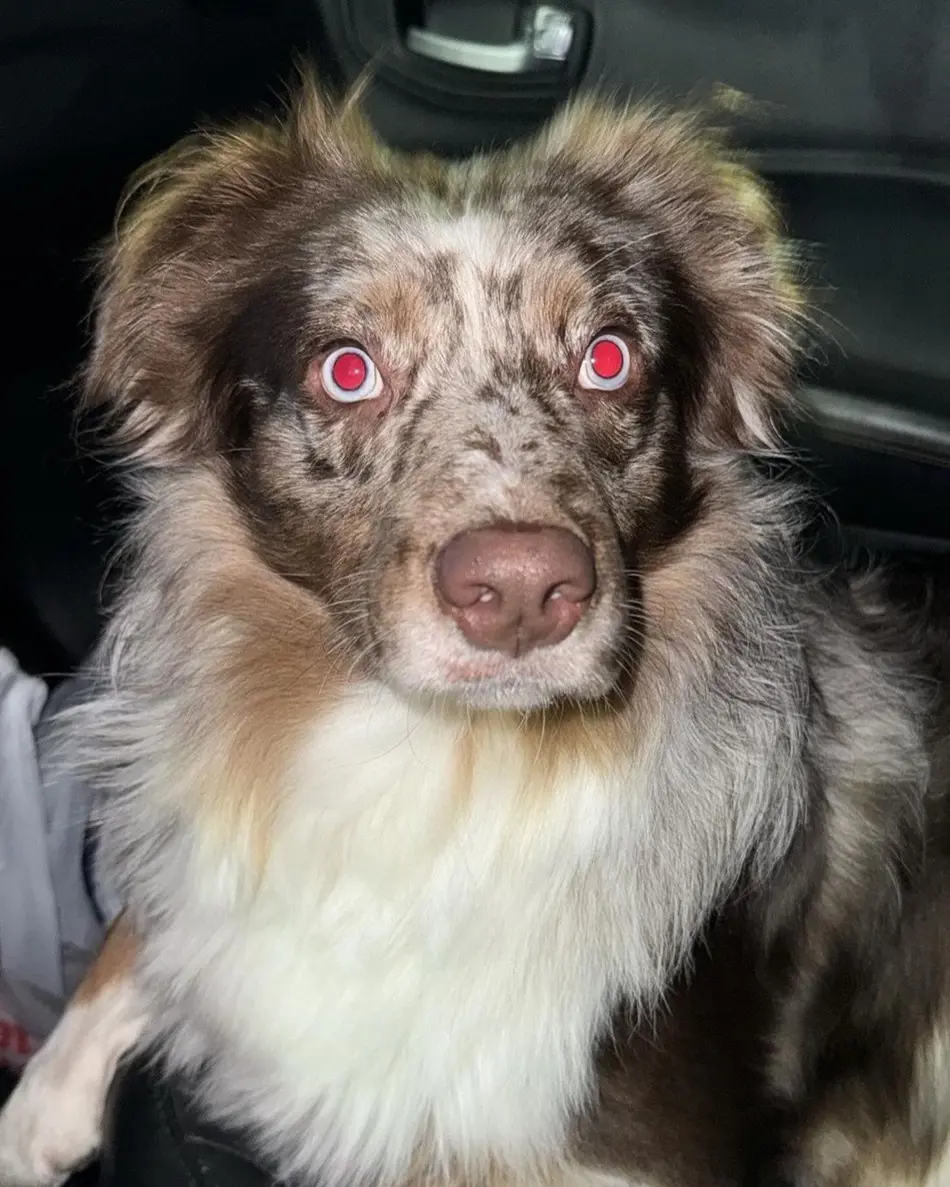
It is commonly referred to as pink eye, this disease is that of the tender tissues surrounding the eyes of your dog, including many discomforts and attention and care on the part of the owner are very important in the conjunctivitis of dogs.
Below, we outline 18 ways to identify conjunctivitis in dogs, knowing the signs well you will have the right action to take to treat the problem promptly and seek proper veterinary care so that your dog receives the best possible care and support for the condition.
1. Reddening of the Eyes
If you notice a dog's eyes are fairly red this can be an early sign of conjunctivitis, or pink eye, usually with swelling and this will first occur in the white of the eyes, or along the edges of the eyelids, especially if there is black fur surrounding the eyes.
This redness can sometimes extend to the areas around the eyes, making them red, or even taking on the appearance of watery or tearful eyes. This can make your dog quite uncomfortable, such as light sensitivity, squinting, excessive blinking, and so on.
If the redness in the eyes is perpetual or growing, consult your veterinarian and notice if that infection or irritation needs treatment, the early detection of the symptom helps to stem more serious eye problems from developing to ensure comfort and health in your dog.
2. Excessive Eye Discharge
Some of the most obvious signs of conjunctivitis are usually extreme watery discharge which is either clear, white, yellow, or green, and the discharge may be preceded by reddening or swelling.
If not regularly cleaned, it may result in the fur becoming matted or crusty and further irritating your pet, it is not unusual for dogs to rub their eyes in an attempt to rid themselves of their irritation from this discharge at times, this causes other problems, such as scratching or further irritation of the eye area.
If you feel that your dog is producing more eye discharge than usual, then take note of its color and consistency to help your vet in making a diagnosis and early diagnosis and treatment will reduce much of the discomfort your dog is going through and prevent a consequent worsening of the condition.
3. Swollen Eyelids
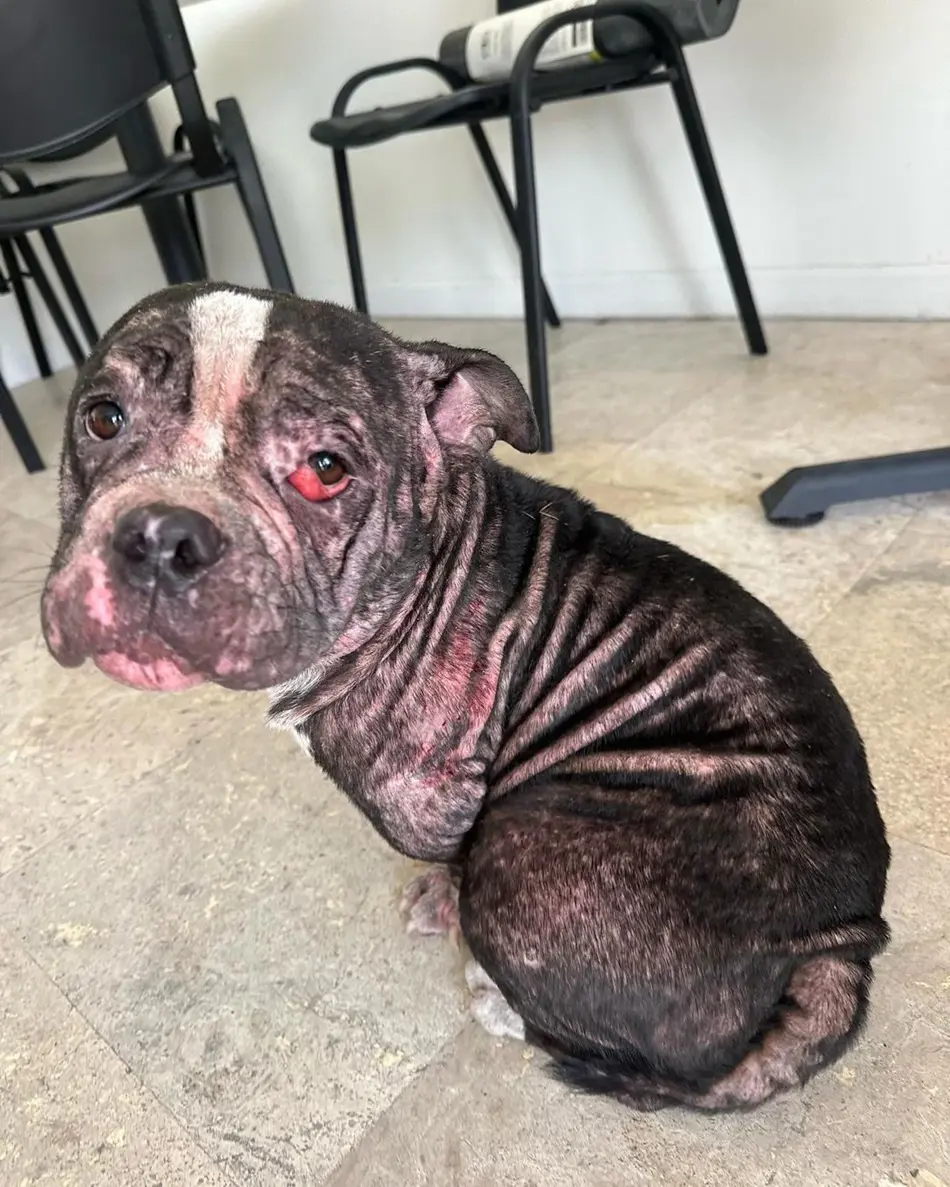
Noticeable puffiness around the eyes characterizes conjunctivitis, which makes it hard for the poor dog to open its eyes fully, itchy dogs generally have a hard time keeping their eyes open fully and tend to wink a lot which appears quite painful for them.
Adding to this swelling, you may also find your dog's eyelids reddening or becoming inflamed in reaction, adding to his discomfort and the potential for him to rub or scratch at his eyes to try to get some relief from the irritation.
If you think that your dog's eyelids are swollen, this is a very good reason to seek veterinary attention as it can signify many serious conditions, most of which require treatment.
4. Increased blinking or squinting
If you notice that your dog is blinking its eyes excessively or constantly squinting their eyes, this could be one of the subtle major signs of conjunctivitis or something in their eyes.
Increased blinking most of the time becomes a reflex action to whatever is irritating the eyes as your dog tries to get whatever is irritating or probably strangling their eyes out of their system.
He might be squinting due to photophobia which means sensitivity to light or due to actual pain in the eyes, and this discomfort is related to inflammation of conjunctivitis, this may become more evident when your dog is in a room with bright lights/sunlight.
5. Scratching or rubbing of eyes
This doesn't do much good, since it may even bring more bacteria or scratch around the delicate eye area and worsen the situation sometimes and this rubbing or pawing is a kind of attempt to alleviate the discomfort.
Apart from the rubbing, you might also come to note that your dog seems restless or irritable, for which again the reason could be due to the continuous discomfort they are feeling in the eyes, and this behavior may increase in intensity if the condition is not treated.
If your dog tends to rub his eyes or paw at them, it is important to watch his behavior and take him to a professional so that the problem doesn't worsen, because early treatment alleviates some of the discomfort and protects their eyes from further irritation or injury.
6. Abnormal tear flow detection
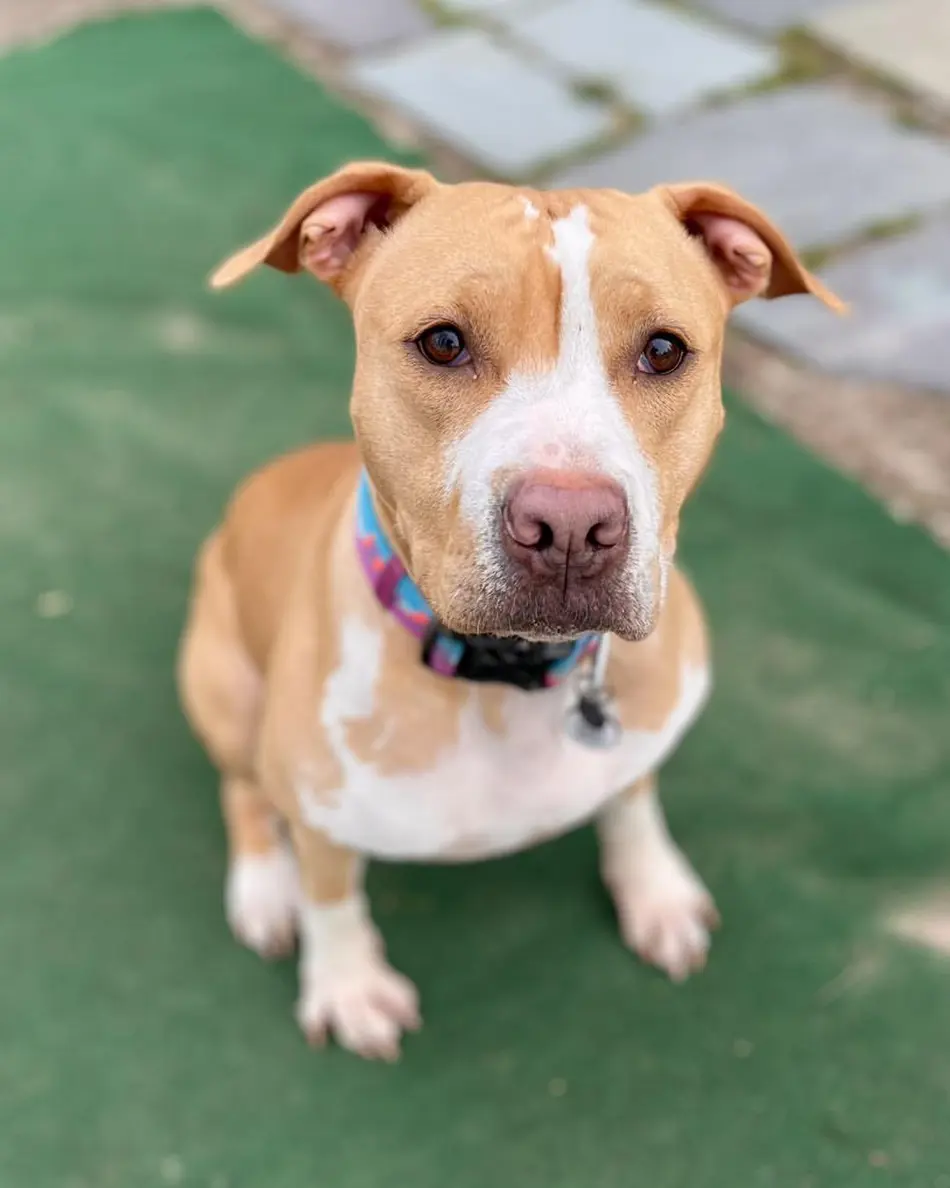
Conjunctivitis in your dog could be marked by overproduction or underproduction of tears and that would change the normal moisture level in his eyes and lead to over-tearing or dry eyes.
Excessive tearing could cause permanent wetness around the eyes creating fur staining, while insufficient tearing will lead to dry and irritated eyes, so it will be easily infected.
Sometimes too much or too little production of tears can make your dog's eyes shiny or watery and you may find that it looks like a small problem but it could indeed be a symptom of a more severe issue so make sure to monitor it carefully.
7. Sensitive to Light
This might be in the form of photophobia or increased sensitivity to light, making the dog avoid brightly lit areas or seek dimly lit areas since their eyes may be more sensitive due to irritation or inflammation.
This hypersensitivity can be quite uncomfortable for your dog so he may squint or shut his eyes in bright light and he may be drawn to spots in the shade or refuse to go outside at all costs in the middle of the day.
You might also find him averse to going out into the bright sunlight or indoors, under incandescent lighting, acting less lively and sometimes this behavior can be very subtle, so it will help to note your dogs' reactions to the lighting environment and then to any changes in their habits or routines.
8. Irritated eyelids
Irritation or inflammation of the eyelids may appear with conjunctivitis, redden the eyes, make them swell, crusty, or even painful to blink, and sometimes cause difficulty closing the eyes completely.
You may just notice a swelling of the eyelids in your dog or they may appear to feel a bit of discomfort opening their eyes and this is most critical where you suspect it has an impact on vision or causes problems that distress them.
This may sometimes irritate your dog enough that they could even try to scrape their eyes with their paws which of course, can exacerbate the situation if early treatment is not sought.
9. Monitoring of Runny Eyes
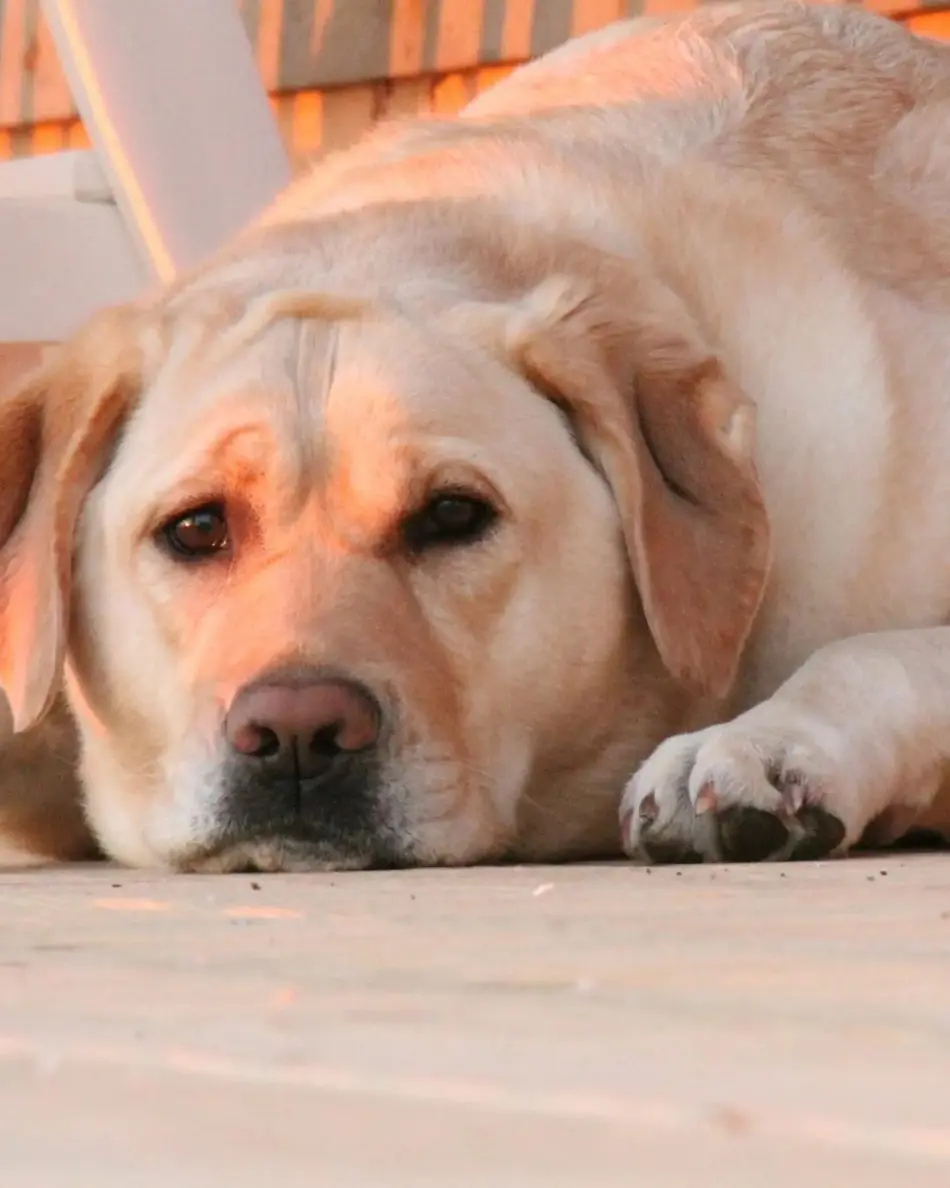
On its own, watery eyes in dogs can be a sign that there is a possible problem with your canine but it does become likely to be a case of conjunctivitis when combined with redness or swelling, conjunctivitis will then cause continuous watering of the eyes due to irritation or infection.
In this case, there is no halting of the watering, excess moisture is always present around the eyes and frequent tear staining can occur in the fur and is more noticeable on lighter-colored breeds.
You may also notice squinting of the eyes, blinking, or even rubbing at the eyes with watery eyes at times, all these signs show your dog is very uncomfortable and is trying to correct the irritation and the tears may be clear or a little cloudy and often make the fur around the eyes matted or crusty if not regularly cleaned.
10. Crusting around the eyes
This is perhaps the most easily visible sign of conjunctivitis: the drying material around the eyes that is an issue of discharge, which seeps from the eyes and it will probably attach itself to the fur and skin around the eyes, causing irritation that can be quite sensitive for your dog when opening their eyes, especially in the morning after the overnight accumulation of the discharges.
This will very often be found at higher frequency in the morning or after your dog has been sleeping, and there may be an occasional presence of added signs, including redness, swelling, or watery eyes that the eyes are irritated or probably infected.
The color of the discharge can vary from yellow to green or even brown and the rust sometimes turns out to be quite painful when removed.
11. Check for color change
Color changes in your dog's eyes can be shockingly indicative that there may be a problem and in the case of conjunctivitis, you might feel that the whites become more pink or red and perhaps even the whole color of their eye.
At other times, changes may be rather insidious while at other times, they may become more classically obvious as a disease or condition keeps on its progressive path so examine your dog's eyes very carefully.
These color changes come together with other signals of discomfort such as swelling, redness or even too much tear production which would mean that the dog is in agony or even pain.
12. Observing Cloudy or Hazy Eyes
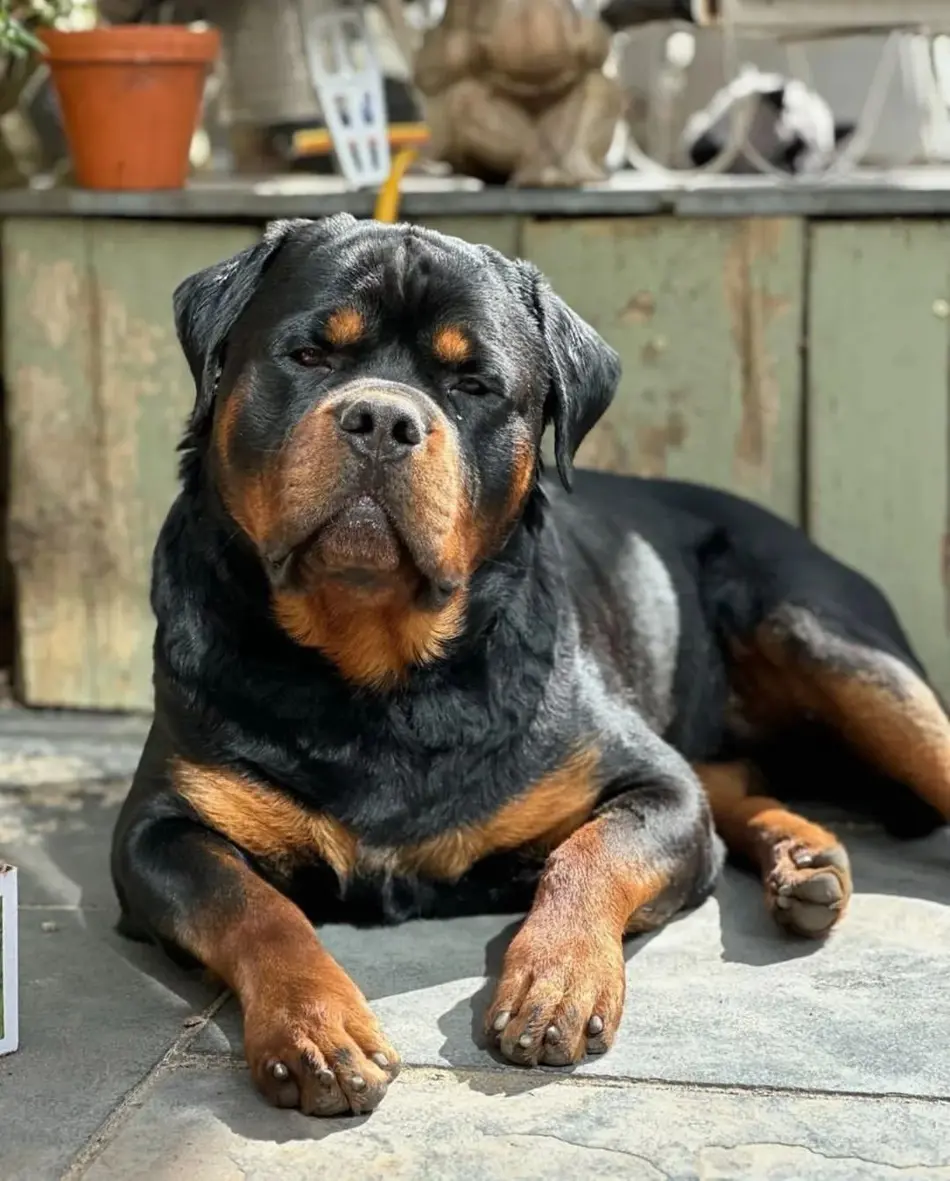
The symptom is far more indicative of any disturbance in vision that is if you see a shift from their normal clear and bright in quality to a cloudier eye, where it looks like a film is lying over their eyes.
The cloudiness due to either the discharge or inflammation in the outer surface of the eye could be far more likely with conjunctivitis, what this does to the dog is affect his clarity of vision and you see that he is more careful and hesitant in movements, especially in no familiar environments.
Besides the haziness you might very much want to check for redness, swelling, or excessive tearing which might indicate irritation or an infection in your dog's eyes, most definitely these are symptoms that would likely make your pet even more light-sensitive and therefore blink or squint even further.
13. Draining
If your dog has long-term tearing or drainage from its eyes, this could signify some sort of irritant to the eyes, long-term tearing or drainage is only one of the symptoms of conjunctivitis.
There will most probably occur a red eye or a couple of them, swellings, or generally discharging matter from the eyes which all indicate and point out the fact that the eyes aren't as healthy as they used to be.
This is simply indicative of their pain and rid of the irritant through tearing the tears can either be clear, watery, or cloudy at the worst times and sometimes, obliviously and may mat or crust around the hair surrounding the eyes if not treated carefully.
14. Behavioral Changes
These changed behaviors may be ways in which the dog is making an effort to avoid the discomfort or irritation the dog may be experiencing and monitoring such cues is necessary, whereby they may indicate a problem with the dog's eyes.
You will also be keen to note that your dog doesn't want to go outside in the daylight or isn't behaving as he usually does because of light sensitivity or even conjunctivitis-caused pain.
This change can even be more pronounced if the problem goes on without getting treated, sometimes your dog can be more attached or ask for extraordinary attention to get comfort or some kind of respite from the pain he is facing.
15. Respiratory Symptoms
If your dog shows associated signs of coughing or sneezing or if there exists a nasal discharge, you are likely tackling an infection that includes the respiratory system as well as the eyes.
On your dog, you will only notice that its eyes are red, possibly itching and weeping, but at the same time, they will also struggle with difficulty breathing due to congestion in the nasal cavities, constant coughing and wheezing.
The redness can sometimes be very high and glaringly visible in the eye, and it may further exhibit in the form of some other symptoms such as swelling or even some form of discharge when the anomaly is not addressed on time.
16. Bacterial Infection
The most typical eye symptom of conjunctivitis is bacterial infections which are very evident thick, green, or yellow discharge, compared to other types of problems within dogs' eyes, this usually has more pronounced discharge, which needs to be cleaned regularly to prevent crusting around the eyes.
Due to this inflammation, the infected eyes will redden and swell, and the dog will squint and paw its eyes, which is very distressing and the irritation caused by this bacterium is one of the serious symptoms.
Treatment from the veterinary care against the infection will be needed, usually provided in the form of antibiotics and proper cleaning along with monitoring shall curb any further complications and shall keep your dog's eyes healthy.
17. Glaucoma
In unattended cases, conjunctivitis could sometimes lead to second-degree complications of glaucoma and it is the inflammation of the conjunctiva of the eye and with continued irritation or a non-treated infection, it can increase the risk of developing glaucoma.
When conjunctivitis provokes chronic irritation, it could lead to fluctuations in eye pressure, and over time, glaucoma may develop in which case the elevated pressure may be harmful to your dog's optic nerve, interfering with its vision.
Most cases result from poor control of the underlying inflammation and failure to adhere to a treatment course provided by a professional who will take proper care and significantly reduce your risk of glaucoma and save your dog's vision.
18. Mites
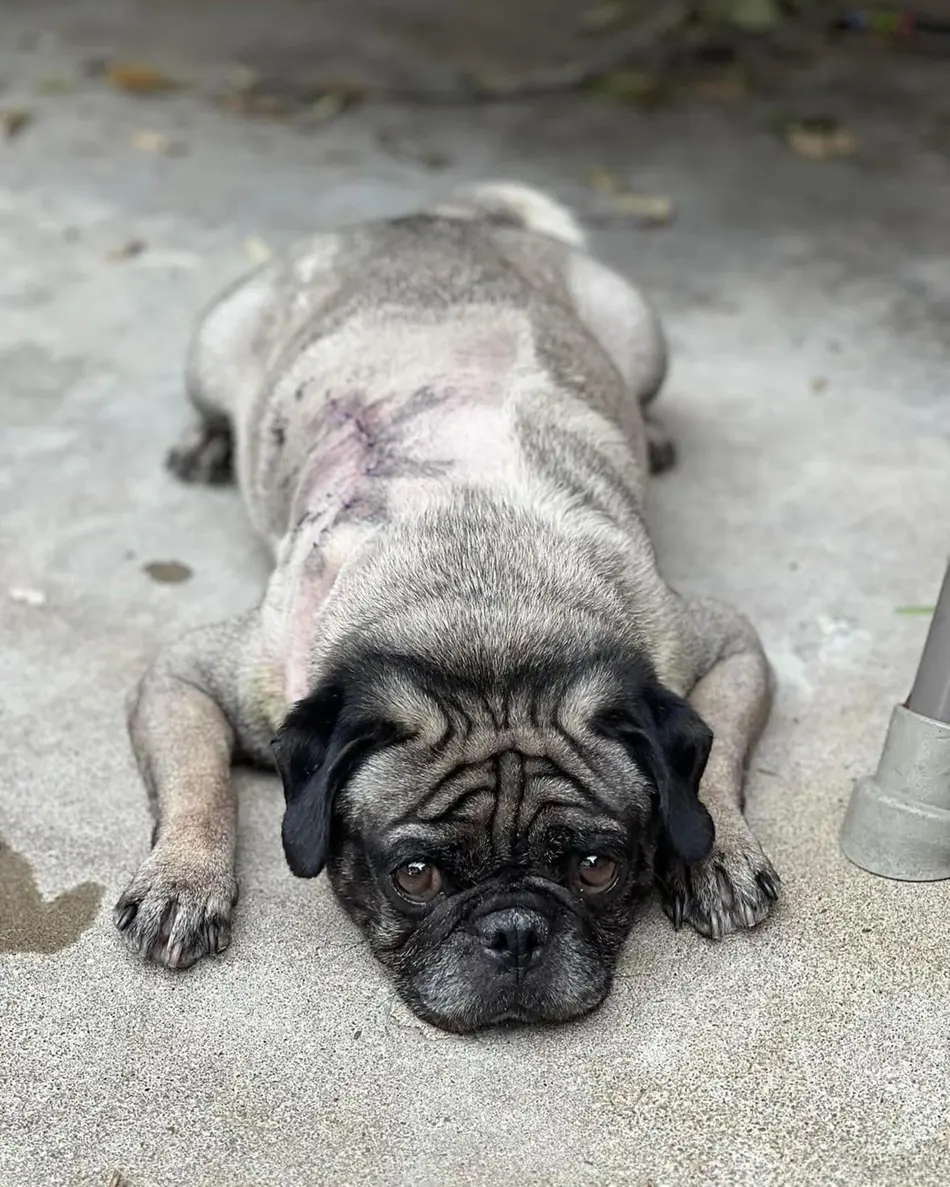
In some cases, mites can be secondary to an unresolved or chronic conjunctivitis and it is not typical for conjunctivitis to consist solely of the inflammation of the conjunctiva of the eye, but if left untreated, it could potentially develop further and perpetuate more mite infestation.
This might further irritate the inflammation, hence more painful, and further deteriorating the original conjunctivitis and treatment of conjunctivitis and the mite infestation go hand in hand.
Your vet will most likely fight on two fronts which will treat conjunctivitis to reduce inflammation while applying specific treatments concurrently to rid the ferret of nagging mites that ensure resolution is quick so its eye health gets back to normal without further complications.