Chihuahua And Dachshund Mix: Dog Breed Information & Characteristics
On Aug 15, 2025



Chiweenies have inherited the best personality traits from their pet parents. It is a cross between a Chihuahua and a Dachshund.
This hybrid breed offers a delightful mix of the Chihuahua's aggressive nature and the Dachshund's independent spirit. With their compact size and big personalities, these dogs have become increasingly popular companions for people seeking a small but lively dog. Now, let’s go deeper to get a detailed profile of this hybrid dog with its characteristics and traits.
Overview

- Origin: Relatively new breed, first bred in the United States
- Size: Small dog, standing 10-12 inches tall on the shoulder and weighing 10-20 pounds.
- Lifespan: 12-16 years, relatively longer for a small dog breed.
- Coat Types: Various coat types including smooth, wiry, and longhaired
- Weight: 8-12 pounds
- Colors: White, blue, silver, red, brown, gray, and black
- Suitable for: Active individuals and families, travelers, apartment dwellers
- Temperament: Friendly, playful, affectionate, stubborn, energetic, dedicated
Chiweenie is a cross between the Chihuahua and the Dashhound, two popular smaller dog breeds. These mixed-breed dogs are typically smaller, standing 10-12 inches tall on the shoulder and weighing 8-12 pounds. They carry a long body and short legs, and their coat can be short, long, smooth, or wiry. They come in various colors including brown, black, tan, white, and brindle.
They are known for being playful, affectionate, and loyal dogs. They are very intelligent and easy training companions. However, they can sometimes be stubborn and barky, so early training and socialization are crucial. They are healthy dogs but can be vulnerable to some health issues including allergies and eye problems.
Chewinee Breed Characteristics
Chihuahua and Dashhound mix dogs have a lot of personality traits in their little bodies. Being the breed parent, both the dogs are small and mighty breeds that are great alarm dogs, and these qualities have been transferred onto the Chiweenie.
They are energetic but require some behavioral training to ensure they are the polite members of the family. Also, they are brave, and loyal, and make great family companions. They can also be vocal and alert watchdogs and their intelligence makes it relatively easy to train with positive reinforcement methods.
Below are the breed characteristics ratings for the Chewinee breed (rated out of 5):
| Barking | 5 |
| Social Needs | 5 |
| Adaptability | 4 |
| Easy To Groom | 5 |
| Intelligence | 4 |
| Easy To Train | 3 |
| Playfulness | 5 |
| Exercise Needs | 4 |
| Affectionate Level | 3 |
Size And Appearance
As it is a relatively new mixed breed, there are few standards when it comes to size. Being a mix between the Chihuahua and Dachshund parents, you can expect them to be on the small side. Most weigh in at 5-12 pounds and range in height from 8-12 inches on the shoulder.
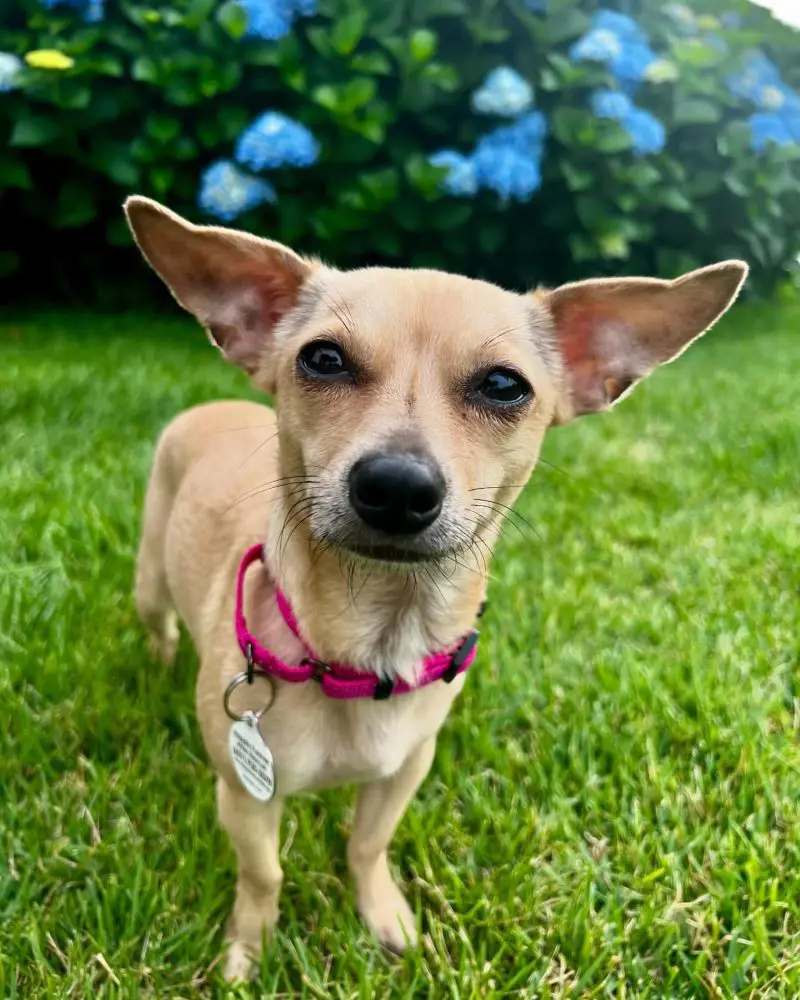
When it comes to their appearance, no two Chiweenie dogs look alike. Depending on the traits they inherit from their parents, chiweenies can have short legs, long bodies, erect ears, bulging eyes or long legs, short bodies, floppy ears, and overbites. Both dachshunds and Chihuahuas have two coat types: smooth and large-haired, and dachshunds also have wire-haired coats. No matter the length or texture, coat colors can include white, tan, and black, you can even find merle and brindle chiweenies.
Chiweenie Temperament And Personality
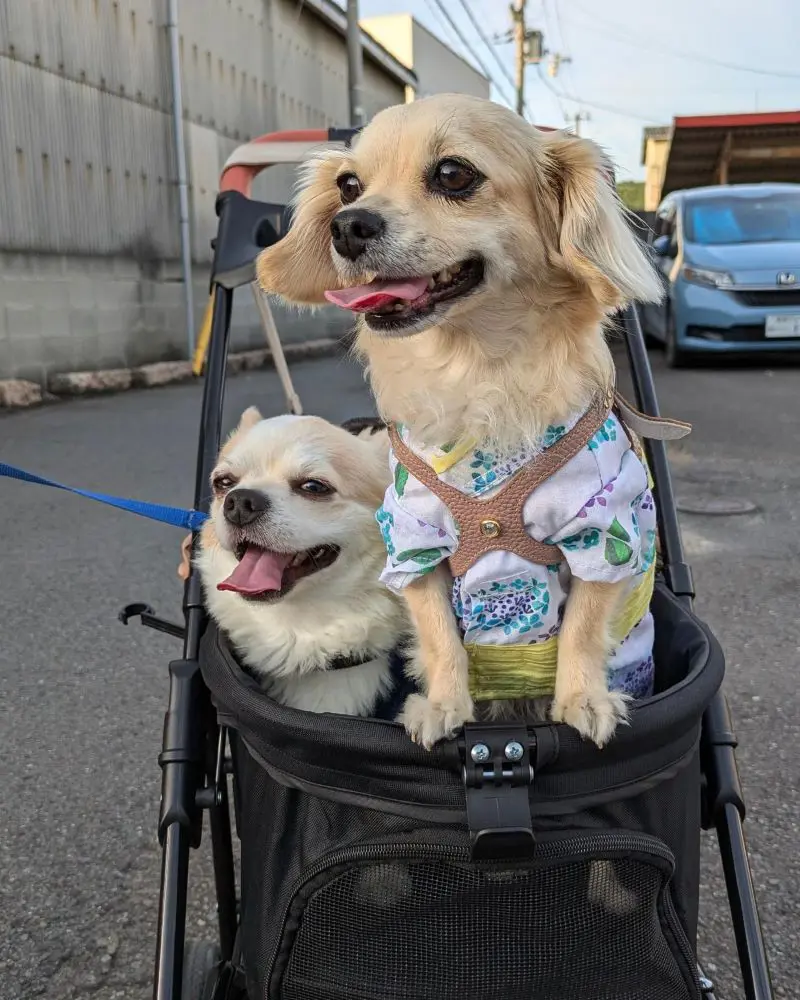
Being a mixed breed dog, they can inherit any traits from their pup parents. Dachshunds are known for being strong-willed, while the Chihuahuas are best known for being feisty. Although they are the size of your average lap dog, their high energy means they prefer a game of fetch to a cuddle session.
Some of them may have a prey drive, though most seem to have lost the hunting tendencies of their Dachshund parents. While the breed can be playful, affectionate, and cuddly lap dogs, chiweenies often reserve the sweeter side of their personalities for their owners. Dachshund Chihuahua mixes do best with early training to curb any unwanted barking habits. They can be stubborn and difficult to house train, their loyalty and desire to please will help training go a bit more smoothly.
Living Needs
Despite their smaller size, not all Chiweenies are well-suited to apartment life. They are known as professional barkers, who will alert you to delivery trucks, passing neighbors, dogs barking in the distance, and strong winds.
Children might love the little Chiweenie, but affection isn't always mutual. Due to their small size, the breed can accidentally be injured and sharing doesn't come naturally to these petite pooches. But most do well in a home with older children. When it comes to having four-legged partners, they seem to be picky in making the decisions. While some will happily share their homes with cats and other dogs, others prefer to be the only pets at home. Originally bred as hunters, they might be prone to chase smaller animals, so they might not get along well in a home with bunnies, hamsters, or other little pets.
Diet And Nutrition
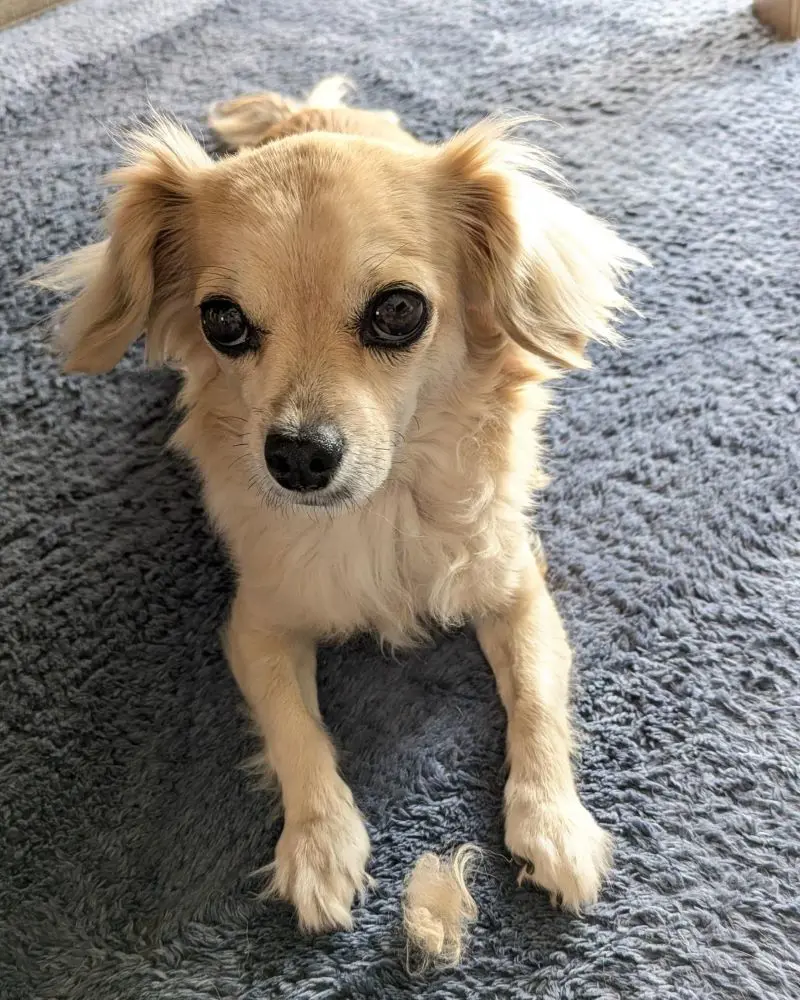
Chiweenie dogs have basic nutritional requirements like all dogs. They need to maintain their healthy body weight. However, their need for fat content is higher than other breeds due to high-quality energy and faster metabolism.
Protein and fat content should come from animal sources like meat, poultry, and fish, but plant proteins and fats can also be used as supplemental sources. While feeding, you should not overfeed your dog, further increasing the risk of obesity and excessive weight gain. Therefore, it is better to stick to a proper feeding schedule and if your pup is overweight, then feed him low-protein dog food.
Nutritional Requirements
With the right ratios of nutrients like protein, fats, and carbohydrates in the diet, this breed can benefit from specific nutritional supplements as per vet recommendations. Also, prebiotics support healthy gut flora, and probiotics maintain regular digestion.
Here we have divided this dog breed into three different age groups as per their nutritional requirements:
1. Puppy Chiweenie Diet
High-quality puppy food specifically formulated for small breeds is essential. The Chiweenie puppy grows very fast and needs higher-calorie foods. Therefore, their diet should contain a minimum of 22% protein and 8% fat.
The puppy should also eat almost four meals daily to avoid low blood pressure until fully grown. Maintaining a proper diet provides the necessary balance of protein, fat, vitamins, and minerals for their growing bodies.
2. Adult Chiweenie Diet
For adults, you should limit protein and fat intake for your dog, once he is fully grown. Adult chiweenies need an average of 18% protein and 5% fat. However, ensure the nutritional ratio in the food so that the dog maintains muscle mass and doesn't gain fat.
Avoid feeding your Chiweenie table scraps as human food can upset their delicate digestive system and lead to obesity.
3. Senior Chiweenie Diet
For senior dogs, the metabolism of a senior Chiweenie of around seven to nine years usually slows down. It further increases the risk of obesity. Therefore, they should immediately switch to lower-fat recipes.
Look for foods specifically formulated for senior dogs. These diets often contain higher levels of antioxidants, glucosamine, and chondroitin, which can help with joint health.
Exercise And Training
They will be happy with half an hour of walking daily if they have plenty of gentle games and owner interactions. However, all exercise should be done with care as this tiny dog can't walk quickly and can get injured by the other dogs.
To keep your pup fit and happy without overexerting them, consider these alternatives:
- Interactive toys, puzzle feeders, and short play sessions inside can provide mental and physical stimulation.
- If your pup enjoys water, swimming is an excellent low-impact exercise.
- For older chiweenies with joint issues, carrying them for short distances can be a fun way to get them out and about.
Training Activities
They inherit the protective nature of the Chihuahua and the tenacity of the Dachshund. Positive reinforcement training methods are generally the most effective.
Basic Obedience Training
Start with basic commands like sit, stay, come, and leave. Short, frequent training sessions are more effective than long, tiring ones. Reward desired behavior with treats or praise.
Socialization
Early socialization is crucial to behave around people and other animals. Reveal them to various environments, people, and animals from a young age, which will help build confidence.
House Training
Establish a regular potty schedule, use positive reinforcement when they eliminate outside, and be patient with accidents.
Dealing with Stubbornness
Chiweenies can be stubborn, but consistency and patience are essential. Avoid punishment, as it can worsen the behavior. Instead, focus on rewarding good behavior and redirecting unwanted behavior.
Potential Health Concerns
Chiweenies usually share the same health concerns as their pup parents have. Most of them are healthy but some are vulnerable to fewer health diseases Therefore, it is crucial to maintain good care and regular veterinary checkups.
Here are some common health issues that this mixed breed might suffer from:
1. Hypothyroidism
It is a distinct condition and an underactive thyroid disease characterized by a decreased production of thyroid hormones. They inherited this issue from their Chihuahua parents.
Symptoms of hypothyroidism include weight gain, lethargy, hair loss, skin problems, and intolerance to colder climates. Diagnosis involves blood tests to measure thyroid hormone levels. Treatment typically involves daily medication to replace the missing hormones.
2. Pollen Allergies
Skin and other seasonal allergies like pollen can cause Chiweenies a lot of discomfort. Some serious symptoms can be noticed among dogs suffering from allergies. This includes:
- Excessive sneezing
- Difficulty breathing
- Coughing
- Rashes
- Chewing or licking of the skin
3. Disc Problems
This health problem causes spinal cord issues and often leads to severe injuries or even paralysis. The mixed breed inherited this issue from their Dachshund's parents.
If many dogs in a family have back problems, the future generations are also vulnerable to developing intervertebral disease. The owner should limit their dog's activity such as jumping and climbing that can affect the spine. Furthermore, black chiweenie may also prescribe complete rest, or temporary surgery to recover properly.
4. Diabetes
Diabetes can develop in chiweenies, although it's less common than in other breeds. It's a metabolic disorder characterized by the body's inability to produce insulin, leading to high blood sugar levels. Symptoms include increased thirst, frequent urination, weight loss, and lethargy.
Diagnosis involves blood tests to measure blood sugar levels. Treatment typically includes insulin injections and dietary management. Regular monitoring of blood sugar levels is essential.
5. Dental Issues
Dental problems are prevalent in small breeds like Chiweenies, often due to overcrowding and improper oral hygiene. Common issues include tartar buildup, gum disease, and tooth loss. Regular dental care can prevent these problems and maintain your dog's health.
Brushing their teeth at home is recommended, also professional dental cleaning should be performed regularly. Providing dental chews and treats can also help improve oral hygiene.
Coat Color And Grooming

Chiweenie coats are often a mix of their Dachshund and Chihuahua parent's color and coats. The main colors of these mixed-breed dogs are black, brown, and white. Sometimes, their coats are solid, and sometimes a mix of colors. They usually have short coats and are a good choice for allergy sufferers.
There are also longer-coated chiweenies, though they may not be as allergy-friendly. Both coats are easy to groom, which the good brushing per week will probably do. Because they tend to have shorter coats, these mixed-breed dogs aren't particularly suited for extreme weather. You will need a coat in the winter for your dog and may apply sunscreen to sensitive areas, where there is less fur coverage during summer.
Are These Dogs Good For Families?
Chiweenies are pups that prefer to be around their families at all times. They don't like being alone and often display negative behaviors if left alone. This makes it difficult for single professionals away from home most of the day.
Families make great fits for these dogs since there's someone in the house more often than not. This can help them avoid anxious behaviors if they're left alone for a long time. While they can be affectionate and loyal, Chiweenies can also be prone to jealousy and may not tolerate rough handling by young children. Older children who understand how to treat a small dog with care can often form strong bonds with Chiweenies.
Does This Breed Get Along With Other Pets?
Similar to Chihuahuas, they have little dog syndrome, causing them to get aggressive towards larger dogs. if they are raised with other dogs, they should be fine with those dogs and are unlikely to be fierce.
Being a mix of Chihuahua and Dachshund, they can inherit traits from either breed. Chihuahuas can be territorial or aloof towards other animals, while Dachshunds can be more tolerant. However, with proper introduction and positive reinforcement, many can coexist peacefully with cats, dogs, and other small animals.