

They do get hiccups just like humans, though hiccups rarely set in with cats. Knowing a variety of possibilities for the causes of cats' hiccups helps in understanding whether they need veterinary attention or not.
The following guide finds 18 common causes for why cats may hiccup. Finding these causes helps you to draw ideas on how to manage your cat's health effectively.
1. Eating Too Fast
If the cats eat very speedily, chances are they will swallow a lot of air along with food that is going to upset their stomach. Then, irritation will bring about spasms of the diaphragm and produce hiccup sounds.
At mealtimes, when cats show eager eating behavior, most of them have a chance of developing this problem. Try feeding them small portions throughout the day in order to avoid this problem.
Using a slow-feeding bowl may also help, which enables the cat to eat slowly. Preparing a quiet meal site decreases excitement which causes hurried eating. These precautions will minimize hiccups caused by speedy meals.
2. Swallowing Air While Drinking
For example, at mealtime, cats can swallow a little bit of air when gulping their water down too fast. This pneumatic inclusion that they gulp upsets their stomachs. This agitates the diaphragm and gives them hiccups.
The cats most apt to experience this are those who drink anxiously or hurriedly. The best remedy to such a problem is to make your cat drink slowly. Provide a quiet place for your cat to drink.
You might want to try fresh running water with the help of a pet fountain. It would bring your cat to drink whenever it feels comfortable.
3. Hairball
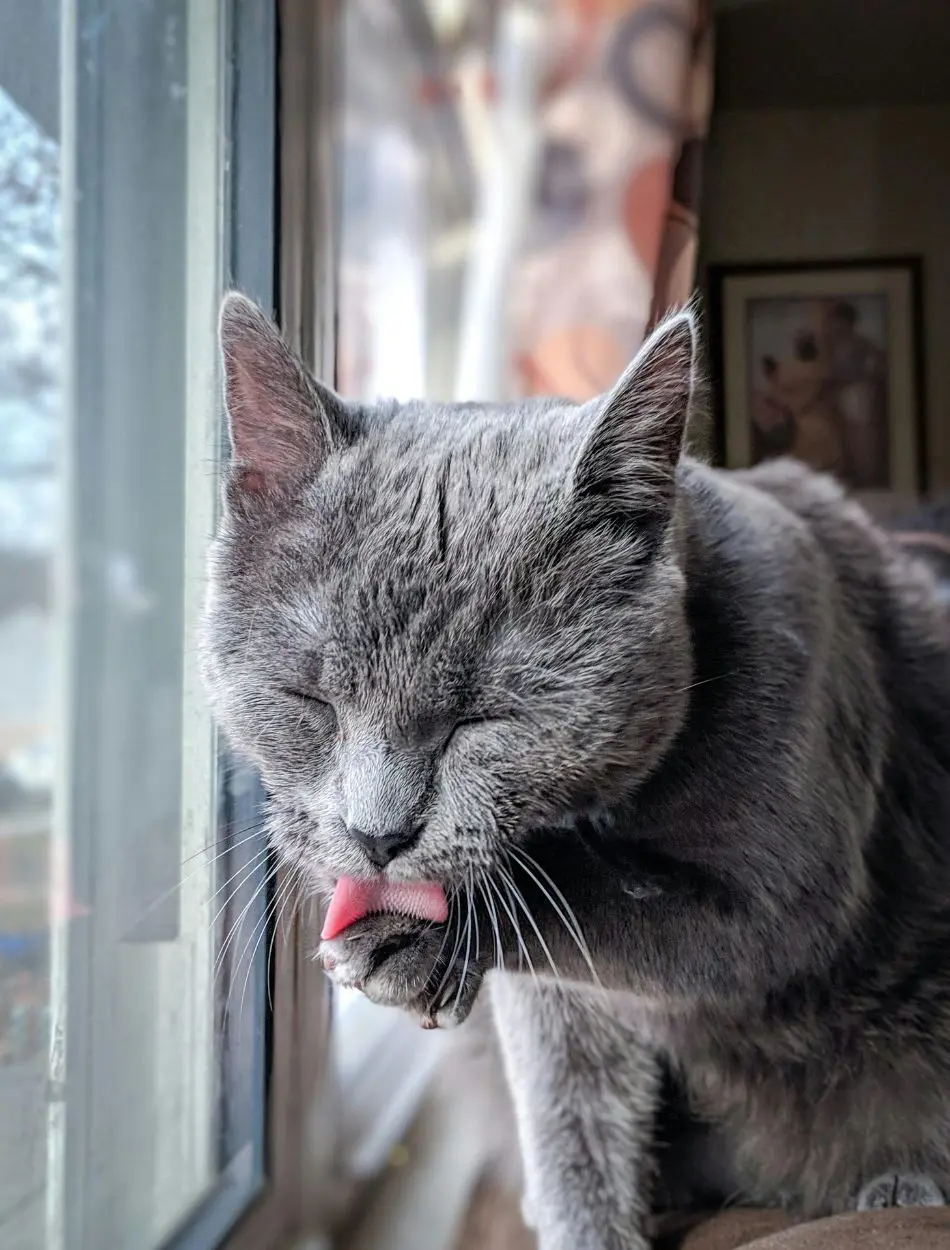
Cats are constantly licking and grooming themselves and, in the process, consume much of the fur that falls. The consumed wool gathers in your cat's stomach and takes the shape of a hairball.
These hairs cling to the neck and can eventually give rise to irritation in your cat's diaphragm. Your cat also gives off unusual hiccup sounds whenever he tries to cough. Regular grooming is advisable, particularly for long-haired creatures.
There are special hairball formulas available that will help overcome this. If your cat has hiccups while it tries to cough up its hairball, this may be a good time for you to pay your veterinarian a visit.
4. Food Allergies
These could serve to irritate the gastrointestinal tract and thus result in hiccups in cats. Second, there are those ingredients that a cat may develop sensitivity to with time, and thus after some time, it starts hitching.
This may be due to the spasms of the diaphragm as an aftermath or even part of the allergic reactions. It is, therefore, important to identify any possible allergens in your cat's diet.
Food that is hypoallergenic or has limited ingredients will be a better alternative for your cat. Once the allergens are withdrawn from their diet, they will help your cat reduce its hiccups and discomforts.
Consult your vet for possible allergy testing. You will be in a better position in managing their health as you already know about the food-related issues.
5. Foreign Objects
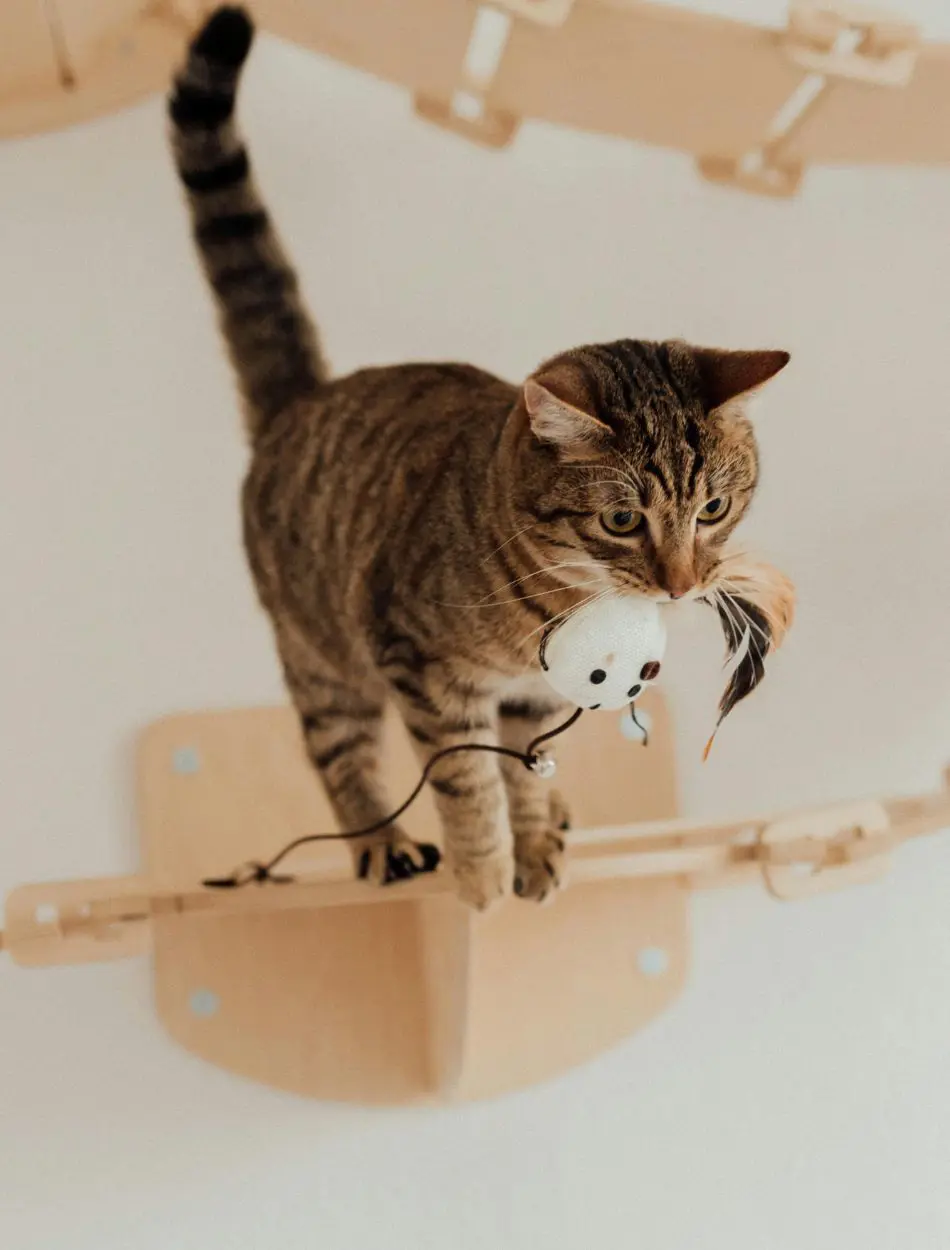
By nature, cats are curious, and felines naturally have the instinct to swallow whatever small foreign bodies come their way most times unconsciously. Instances of foreign bodies like strings and plastics obstructing the throat region.
Obstruction may irritate the throat and diaphragm and produce a hiccup-like spasm. Younger cats are more curious, and they tend to explore and ingest non-food items.
If your cat has been distressed by a succession of hiccup-like symptoms, it is an emergency, and you should visit a vet without any delays. Sometimes complications arise, and one may require a professional to get the object out safely.
To avoid this situation, keep small objects and those that may seem appealing to the animal out of its reach. A hazard-free environment will reduce the risk of foreign objects.
6. Respiratory Irritants
All of these smell-type respiratory irritants, usually thought to be very much associated with perfume, smoke, and cleaning products will act to irritate the airways. This can instigate diaphragm spasms, which produce hiccup-like sounds. Cats seem particularly sensitive to odors, even in small amounts.
To help them reduce the risk, keeping your home free from strong odors is key. Always ensure good ventilation around the cat when you are using cleaning products.
This is because smoking in proximity to your cat subjects them to exposure to health risks. A clean environment reduces respiration-related hiccups.
7. Stress Or Anxiety
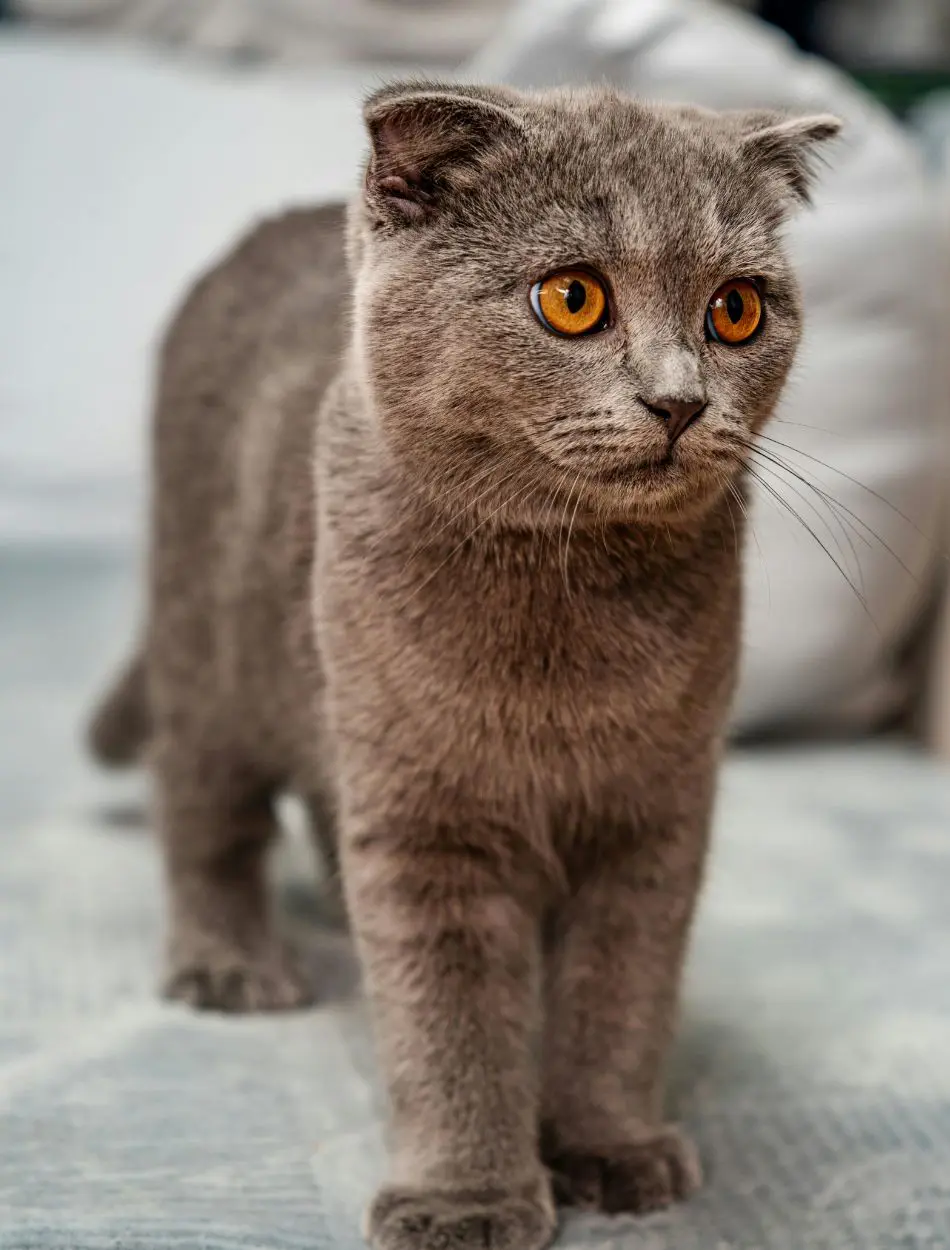
Other conditions that can make cats develop hiccups, especially when there is a break in their routine or even a change of environment, are anxiety and stress. Cats are routine animals and hate breaks in their routine.
When cats are stressed, their normal pattern of breathing might be affected, and this might spread to result in the spasm of the diaphragm. These spasms may present themselves as hiccups, which are often temporary.
This will get your cat used to the impression and, finally, some rest in that serene environment. Further, stressful changes should not be made, like new pets within the house or shifting of furniture.
Certain specific soothing products, such as pheromone diffusers, could be tried on your cat. This will go a long way in bringing down the chances of stress-induced hiccup incidents.
8. Infections
Other infections, such as respiratory ones, have also been known to cause non-stop incidents of hiccups among cats. Respiratory conditions induce inflammation in the airways, which further increases rapidly downwards into the diaphragm.
You must make sure to keep an eye on other symptoms of illness in your cat as well. If your cat starts having chronic hiccup incidents along with other symptoms such as respiratory issues, it would be better if you consult your veterinarian.
That is because one sometimes needs to begin some kind of treatment against an infection-whether by way of antibiotics or other forms of infection support. Once the associated underlying condition improves, the hiccups, too, improve in response. With prompt veterinary care, you can ensure your cat stays healthy and comfortable.
9. Acid Reflux
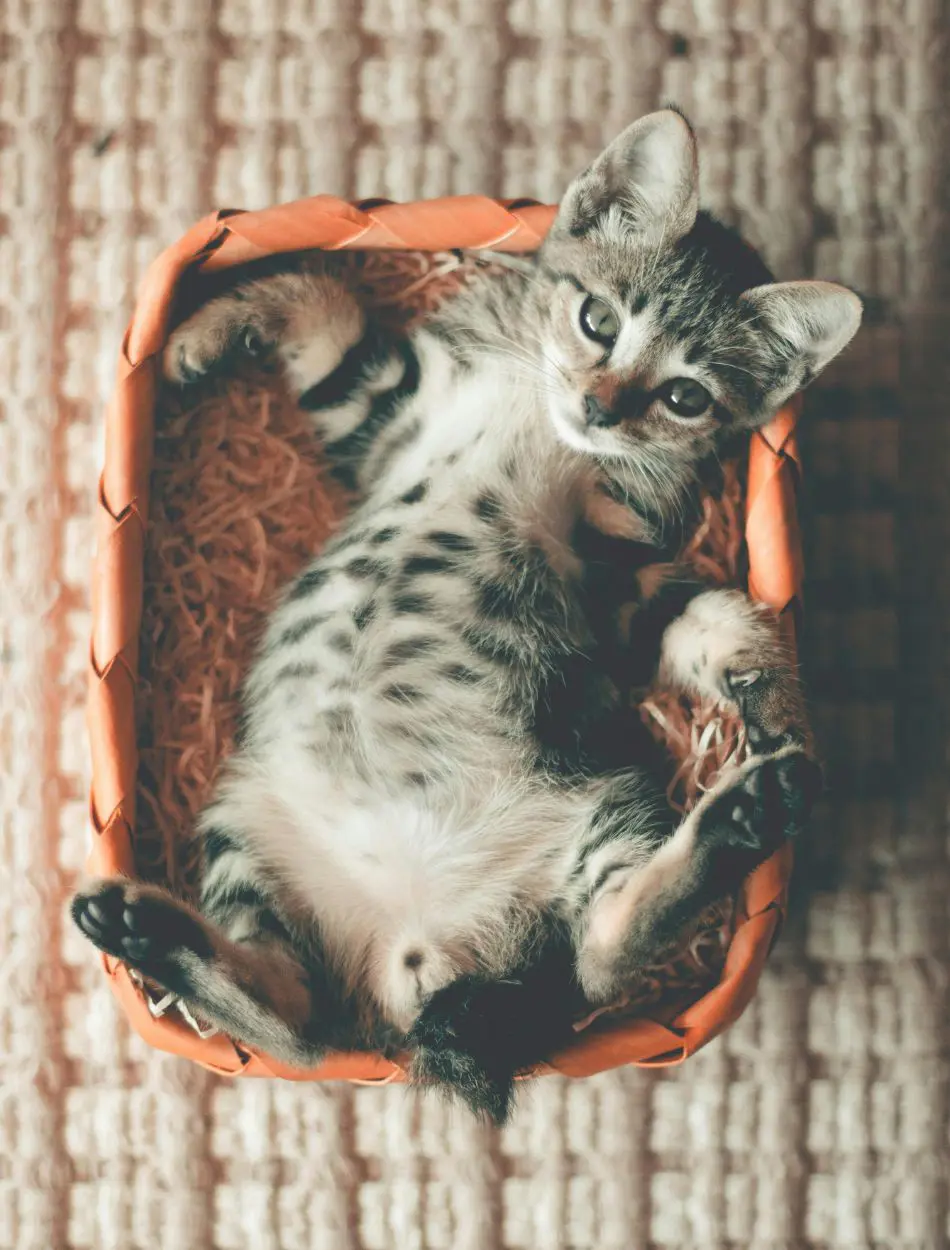
Less common, however, is the fact that acid reflux disease has also been declared to trigger hiccup symptoms in cats. Here, it is the backflow of stomach acid into the esophagus that irritates the diaphragm and provokes spasms to trigger the hiccup activity.
Nutrition and a few other forms of gastrointestinal triggers can lead to acid reflux. If your cat suffers from acid reflux, then you should be feeding the cat often and in small quantities.
Look to your vet for a dietary guide as to how to cut back in this situation. Of course, there are a few types of diets available that might help alleviate the symptoms coming with acid reflux disease.
10. Throat Irritation
The most common causes of throat irritation in cats are allergens, infections, and physical irritants. This may result in contractions or spasms of the diaphragm, leading to hiccuping.
In most instances, hiccup problems disappear rather fast once the causative agent has been eliminated. You are guaranteeing your cat's comfort by checking its environment.
Regular home cleaning keeps away dust and allergens that can further irritate your cat. If the condition of hiccups persists, it should then be looked at by the veterinarian.
Certain underlying causes of throat irritation need to be diagnosed and treated as such. This will keep your cat comfortable and generally in good health.
11. Overexcitement
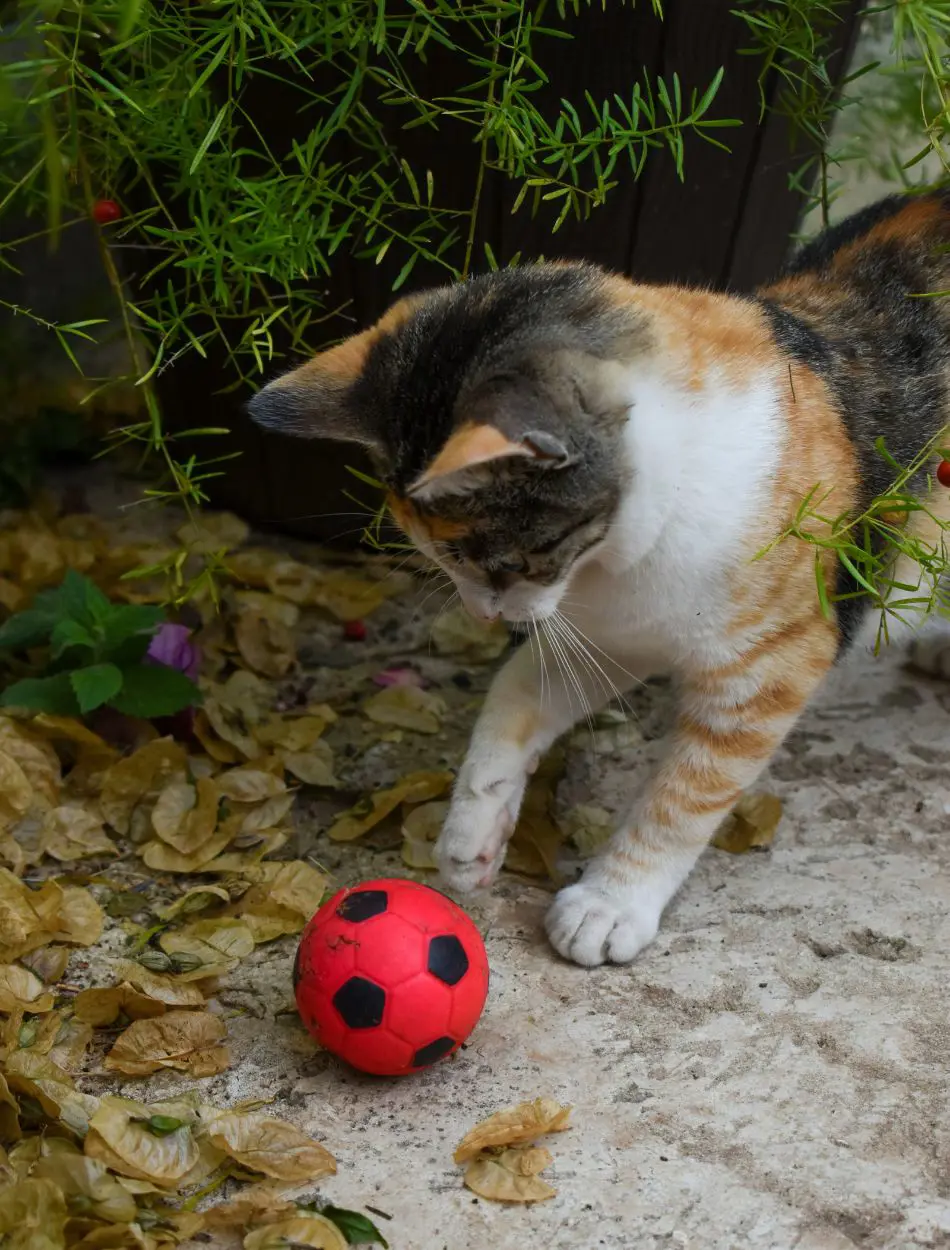
They easily get excited when playing or sometimes when they are received by the owner. This excitement causes uneven breathing in cats, which may lead to developing hiccups. The contraction of the diaphragm combined with rapid breathing can create hiccup sounds.
Knowing what overexcites your cat will help you in controlling this problem. This can also be avoided by watching your cat during his playtime. You can keep the length of your play session with him short yet active, yet not frustratingly so.
Allow him to have quiet time during activities to minimize over-excitement. All of the above will provide a well-rounded playtime experience.
12. Gastrointestinal Issues
A variety of gastrointestinal problems can trigger hiccups in cats. The bloating or gaseous distension may irritate the diaphragm and may cause its spasm. The recognition of gastrointestinal distress in cats is necessary for successful management.
The eating habits of your cat and the character of his or her stool are useful indicators. If you find that hiccup incidents are occurring time and again, together with signs of gastrointestinal upset, then you would do well to consult a veterinarian.
That professional will be able to do some research to try and find the cause and possibly change some medication or diets to correct it. It is important to sort out gastrointestinal issues for your cat's health and comfort.
13. Exercise
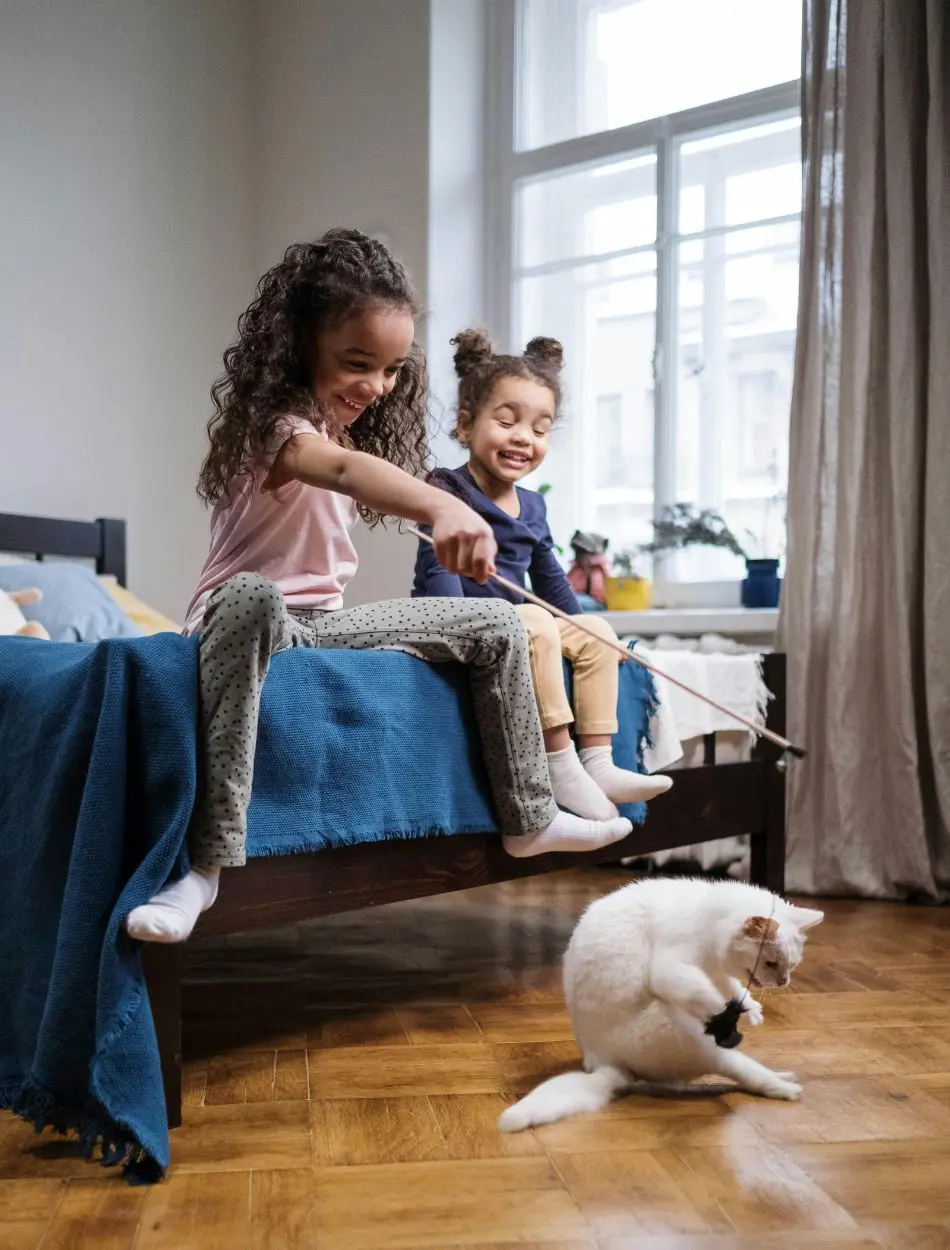
Sometimes, this could even be the reason for hiccup incidents among cats, when your cat has just undergone a highly intensive playtime. During such exercises, rapid breathing may irritate the diaphragm into spasm producing hiccup sounds, as is with the fact for those cats that are quite energetic and who highly enjoy their playtime.
This problem, once known, your kitty's exercise can be managed and controlled. Play with your cat regularly, but in sessions only to minimize hiccup incidence.
Let her rest and catch her breath after spirited sessions of play. This will return her respiratory pattern to normal once more before it resumes, if at all. One way to control good exercise for your cat is to check the playing schedule diligently.
14. Temperature Changes
Sudden rises and falls in temperature can be a cause for hiccuping, as, taking your cat from a warm to a cold room may cause a diaphragmatic spasm. The feline companion is sensitive and temperamental during sudden temperature changes. You can pay more attention to your comfort zones so as to alleviate discomfort.
Let them be in an equable environment so they cannot develop temperature-related hiccups, let them not stay in cold drafts or extreme temperature changes. Let it stay in a sleeping place where they feel comfortable and safe. It is good for the health of your cat by keeping its environment clean.
15. Aging
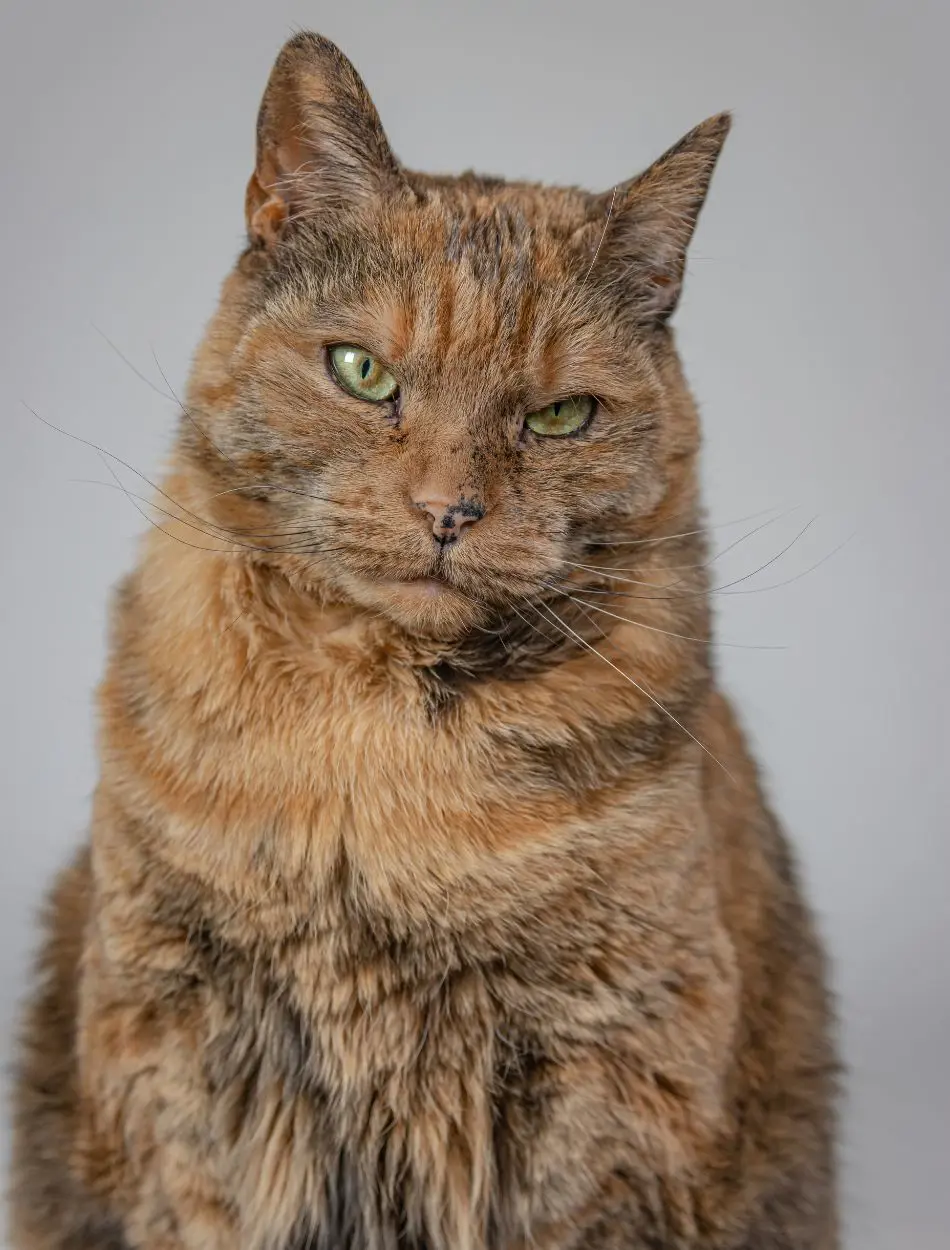
Several changes occur with an older cat, and it is these that can cause the hiccup episodes. Generally speaking, an older cat's diaphragm becomes irritated, or the pet develops some diseases that could lead to their hiccupping.
On the whole, by being more attentive to a cat's general condition over the period, what you try to do is to keep it comfortable. To find problems that need attention, older cats should see their respective veterinarians from time to time as they grow older.
These are all behavioral and physical changes that you must consult your vet for. The vet will always be able to advise about the type of care or treatment most apt, keeping in mind the needs of your cat.
16. Medications
Hiccups in cats can be a side effect brought about by some drugs. Be on the lookout for abnormal responses if your cat has been put on a new medication recently. It may also be a response to some medication-ingested gastrointestinal disturbances.
Consult your veterinarian if the hiccups sound continue after the administration of the drug. Discuss any possible side effects with your veterinarian before they happen. Your veterinarian can rule out many medications that might contribute to hiccups.
By taking initiative in your cat's care and their health, you will be comforting their treatment at the same time keeping them as healthy as possible. Your veterinarian is an exceptional resource for many questions and concerns.
17. Respiratory Disorders
Certain feline respiratory disorders can result in hiccups. In this condition, asthma and bronchitis inflate and irritate the airways. This can easily cause spasms in the diaphragm and all types of hiccup-like symptoms.
You have to look for other signs relating to the respiratory system of the cat to manage it better.
You should take your cat to a veterinarian in case you suspect any respiratory disorder, where he or she will examine it properly and suggest methods for effective treatment to help your cat.
18. Neurological Issues
Neurological disorders can also be another cause of hiccuping in cats. These nervous disorders affecting the nervous system can disturb the normal activity of the diaphragm. It is this perturbation that calls forth spasmodic contraction of this part and thereby produces hiccup-like sounds.
There will be associated symptoms that point toward a neurological disorder. If the strange mannerisms or hiccuping continue, it may be time to seek your veterinarian's advice.
He will be able to conduct diagnostic testing to find the source. The sooner a neurological condition can be diagnosed the better it can be managed. It is of utmost importance for your health and comfort that your cat receives the proper care.