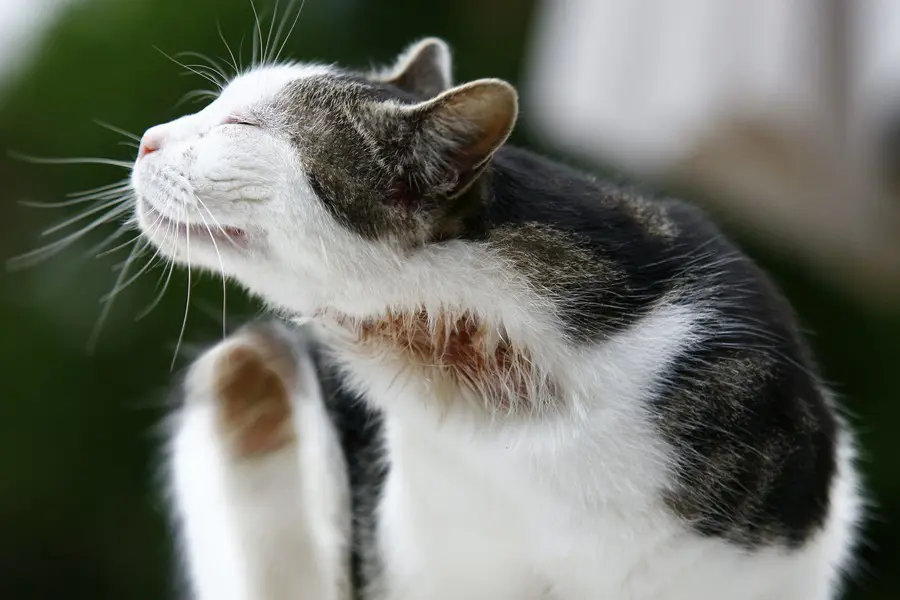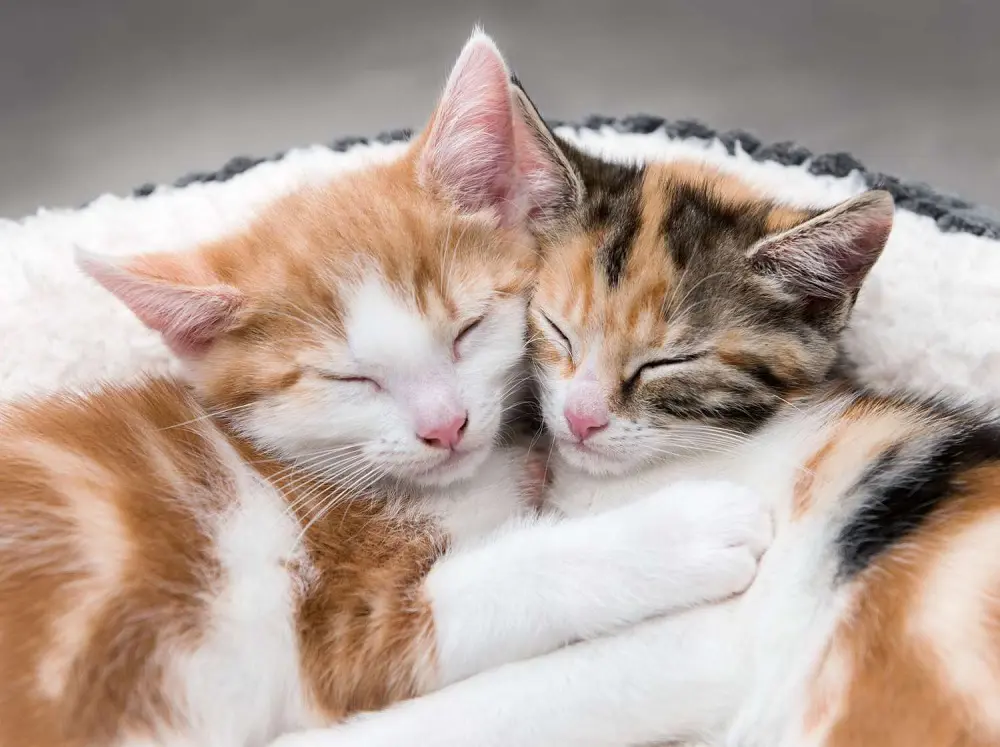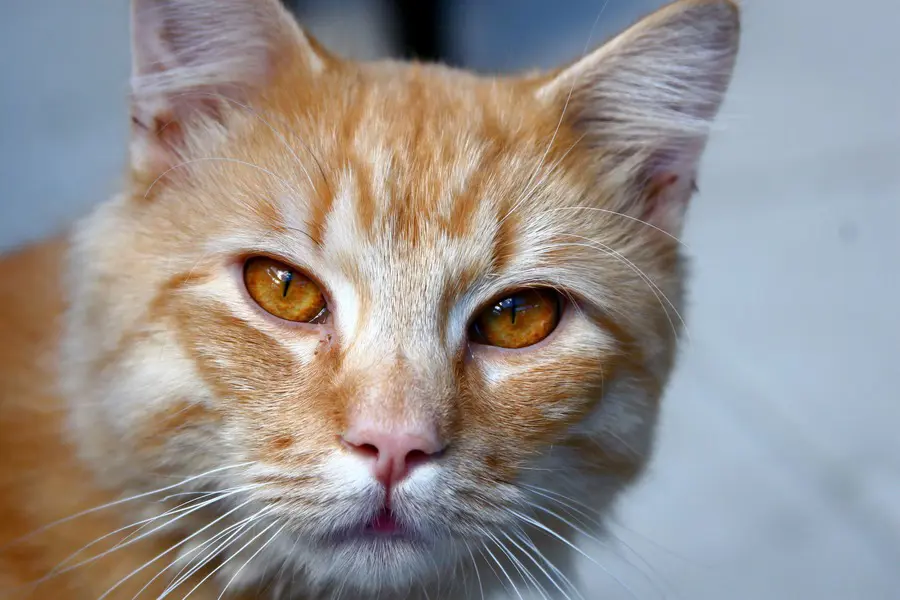


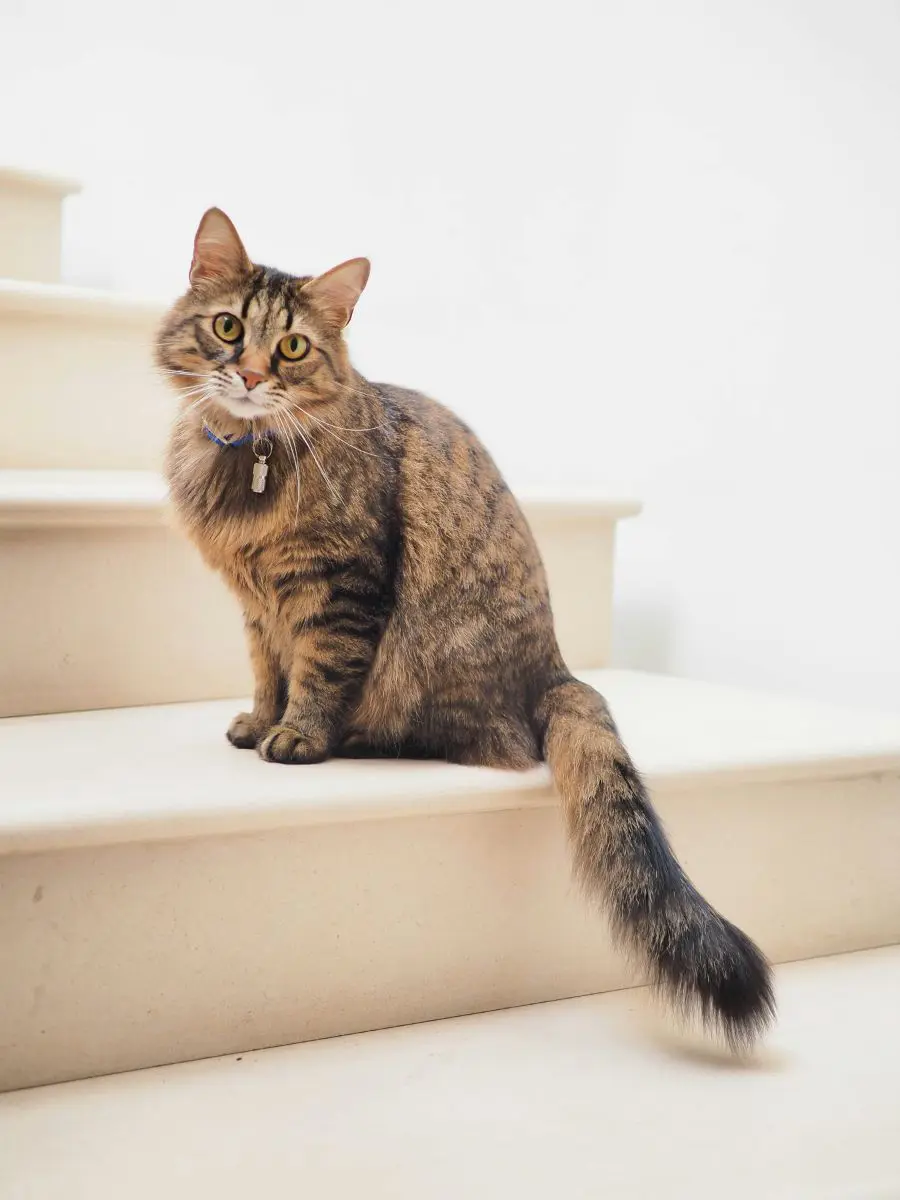
Cat lice are parasitic insects that infest the fur of cats, causing discomfort and itching. They are species-specific, meaning they cannot be transferred to humans or other pets, but they can cause significant irritation to your cat if not treated promptly.
They are adapted to feed on the blood of cats and are highly specialized and cannot survive on other animals and humans, as they are adopted to the unique environment of the cat's fur and skin. These lice are transmitted through direct contact between cats or shared bedding and grooming items. They don't jump but just crawl quickly between hosts.
1. Consult Your Veterinarian
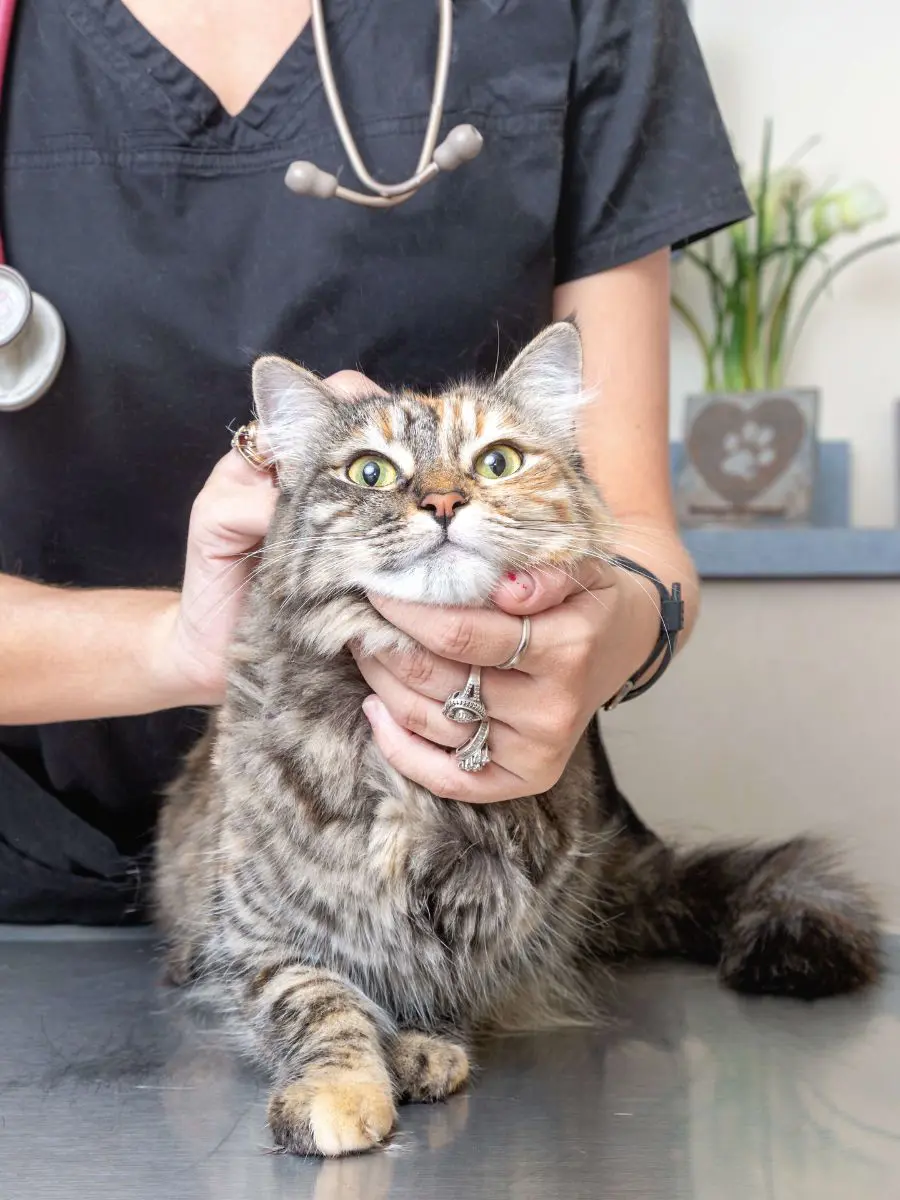
Always begin your treatment of cat lice by consulting your vet. They can confirm the presence of lice, assess the infestation, and recommend the appropriate treatment options tailored to your cat's specific needs.
A vet will be able to thoroughly examine your cat's fur skin, looking for signs of lice, such as the presence of eggs or adult lice, as well as any skin irritation or inflammation. They may also take a sample of your cat's fur or skin to examine under a microscope for a definitive diagnosis.
By consulting a vet, they ensure that your cat receives the proper diagnosis and treatment for lice infestation, leading to a speedy recovery and a happy, healthy furry buddy.
2. Medicated Shampoos
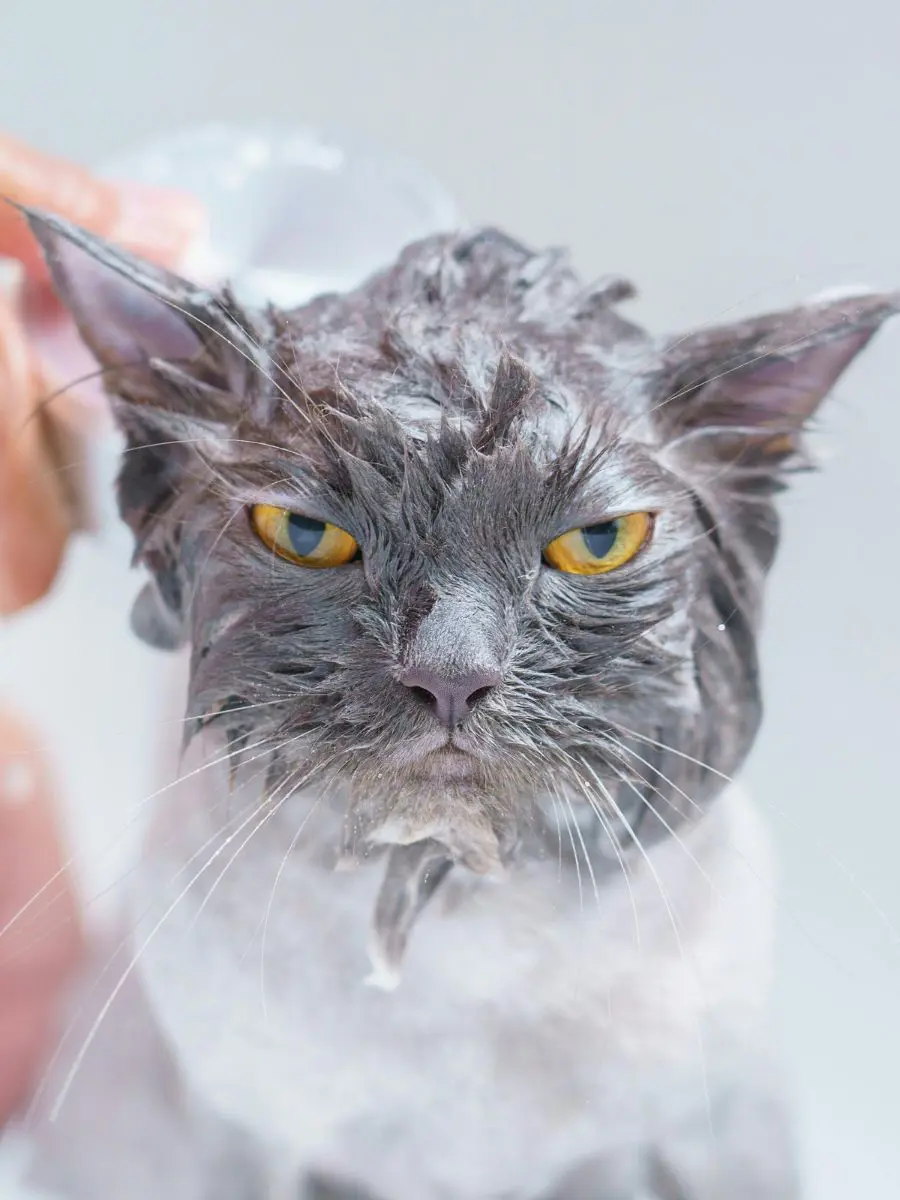
Several treatment shampoos are designed to remove lice on cats. It's essential to follow the guidelines carefully to ensure efficient treatment. Always confirm that the shampoo is directly labeled as safe for feline use to prevent any adverse reactions or harm to your cat.
When applying the shampoo, thoroughly massage it into your cat's fur, ensuring complete coverage, and adhere to the recommended duration before rinsing off. This approach helps maximize the shampoo's effectiveness while maintaining your cat's safety.
While selecting a medicinal shampoo for lice prevention, ensure it is labeled as safe for cats to avoid any possible adverse reactions. Regular use, as directed, can help protect your cat from lice outbreaks and maintain their overall health and comfort.
3. Tropical Treatment
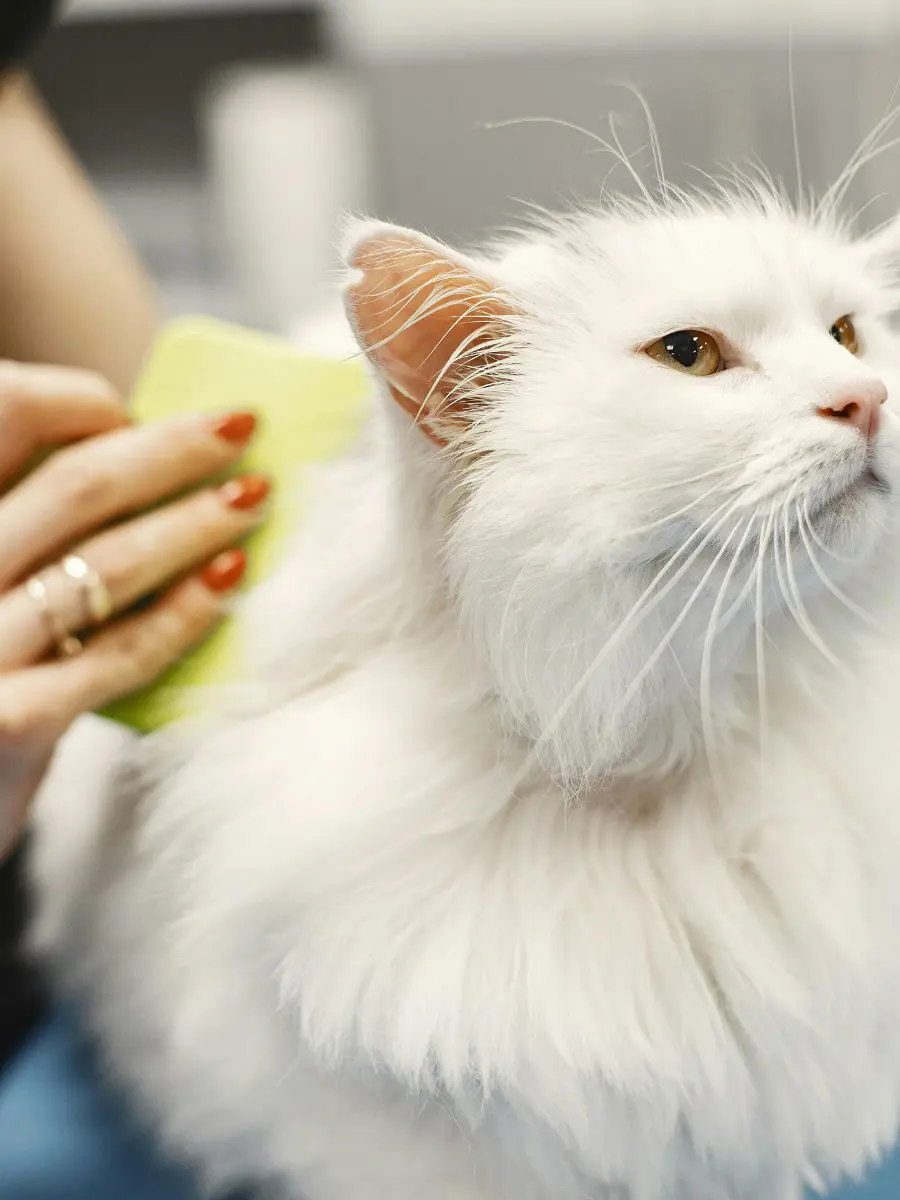
These treatments, which lie on targeted medications, are highly successful for killing lice and preventing reemergence in cats. These treatments are typically applied directly to the skin on the back of your cat's neck, where they can quickly spread across the body through the natural oils of the skin.
They contain active substances that are intended to eliminate lice, providing long-lasting protection. It's essential to follow the specific application instructions provided by your veterinarian or on the product label to ensure safety and effectiveness. Regular use of these spot-on treatments can help keep your cat free from lice and maintain their comfort and health.
4. Oral Medications
These oral treatments work systemically, meaning they are engrossed in blood circulation and spread throughout the cat's body. They contain active elements that target and kill lice, including those that may be difficult to reach with topical treatments alone.
It is essential to administer oral dosage exactly as directed by your vet to ensure effective treatment and minimize any potential side effects. Regular monitoring and follow-up with your vet is essential to assess the treatment's success and ensure your cat's well-being.
5. Environmental Cleaning

Cleaning your surrounding area is a vital step in eradicating cat lice and preventing reinfestation. Wash your cat's bedding, blankets, and any washable toys in hot water.
Use the highest temperature setting recommended for the fabric to ensure lice and their eggs (nits) are killed. Dry these items on high heat in the dryer, as heat is effective in destroying lice and nits. Vacuum carpets, rugs, and upholstery thoroughly, paying particular attention to areas where your cat spends a lot of time.
Utilize a vacuum cleaner with powerful suction and consider employing a vacuum equipped with a rotating brush or a vacuum designed specifically to eliminate pet hair and debris.
6. Grooming
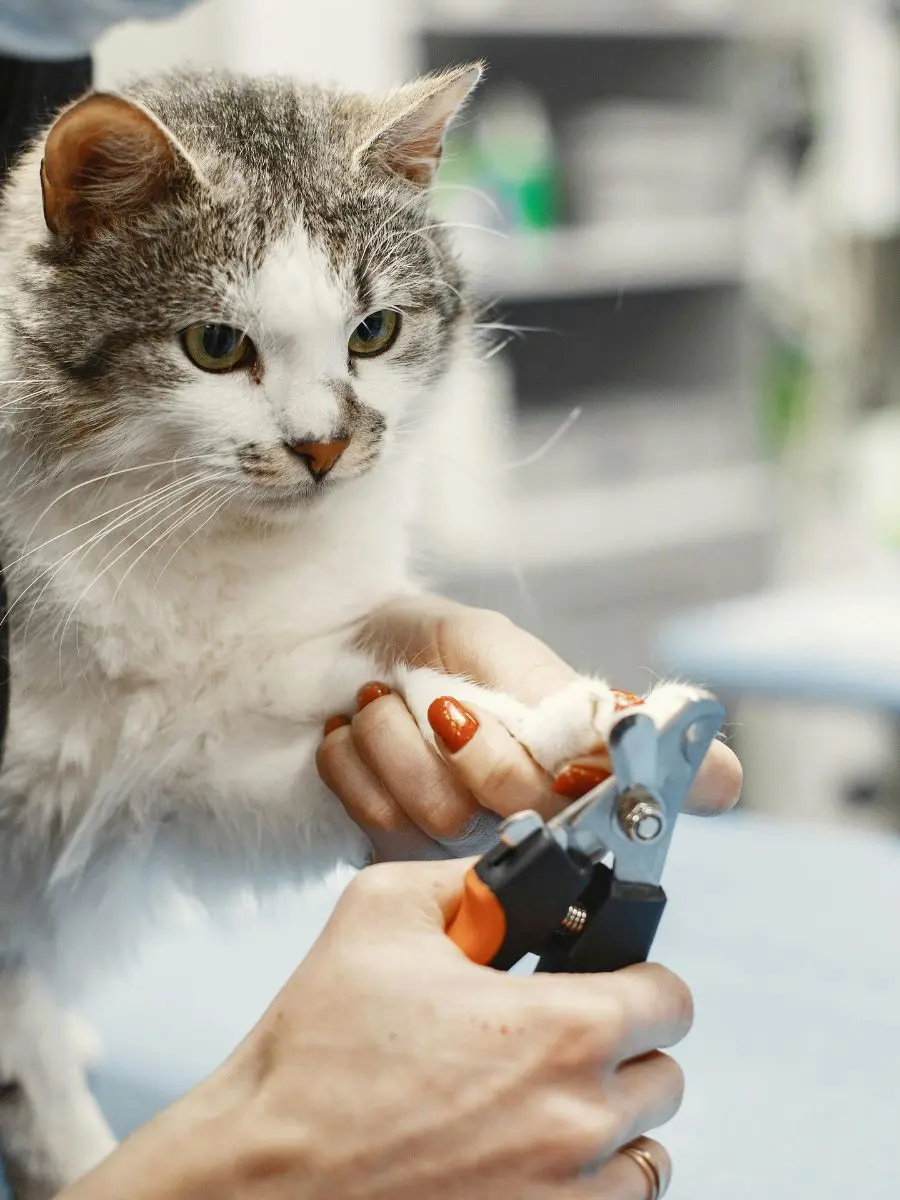
Combining your cat with a fine-toothed comb is an essential step in managing and treating lice infestations. Use a fine-toothed comb specifically designed for cats. These combs have closely spaced teeth that can effectively capture and remove lice and nits from your cat's fur.
Begin cleaning your cat in a calm and comfortable environment. Use gentle strokes to comb through the fur, starting from the head and working your way down to the tail. Take care around sensitive areas like the face, ears, and belly.
Be diligent in areas prone to lice and nits, like around the neck, ears, and base of the tail, as they provide a warm environment ideal for lice. Clean the comb regularly to effectively eliminate these pests.
7. Quarantine

Isolating an infested cat is a proactive measure to prevent the spread of lice to other cats in multi-cat households. First, identify which cat is covered with lice by observing signs such as excessive scratching, visible lice or nits in the fur, and irritated skin.
Move the infested cat to a separate room where they won't be meeting other cats. Ensure the area is comfortable with access to food, water, and a litter box. Minimize contact between infested cats and other cats during quarantine. This includes separate feeding and grooming utensils, as well as avoiding shared spaces where lice could potentially spread.
While in isolation, continue the treatment of your cat as per Vet's suggestion. This may include medicated shampoos, topical treatments, or oral medications to eliminate lice.
8. Natural Remedies
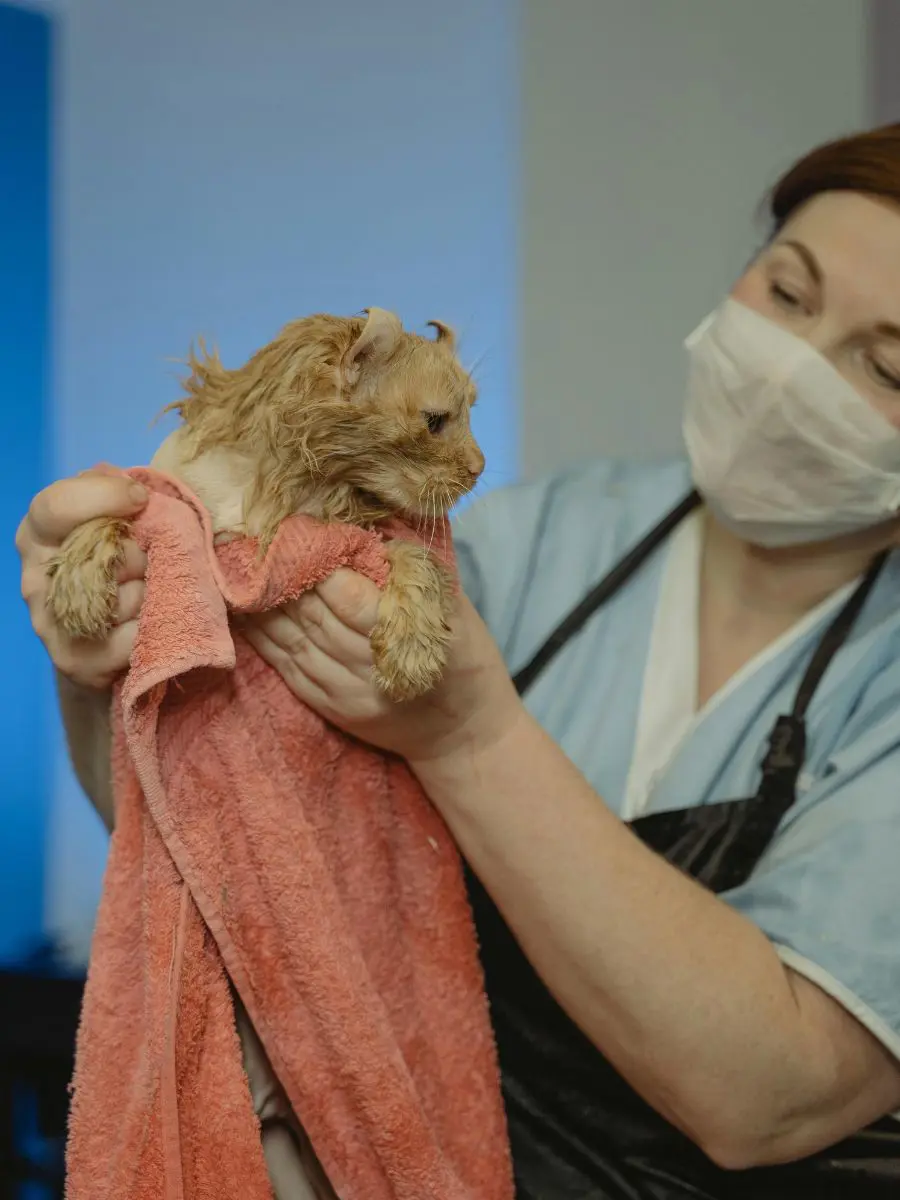
Before using any remedy on your cat, consult with your vet first. They can guide dosage, application methods, and potential risks. Some cats may have sensitivities or allergies to these substances, so it’s essential to ensure their safety.
Home remedies like neem oil or diluted apple cider vinegar are sometimes used to repel lice in cats. Neem oil is derived from the neem tree and is known for its bug-killing properties. It can be diluted and applied to your cat’s fur to repel lice.
Diluted apple cider vinegar is another option believed to create an unfriendly environment for lice. It’s applied topically or used in rinses after bathing your cat. They may not eliminate existing lice infestations and are often more effective as preventive measures than additional treatments.
9. Regular Check-ups
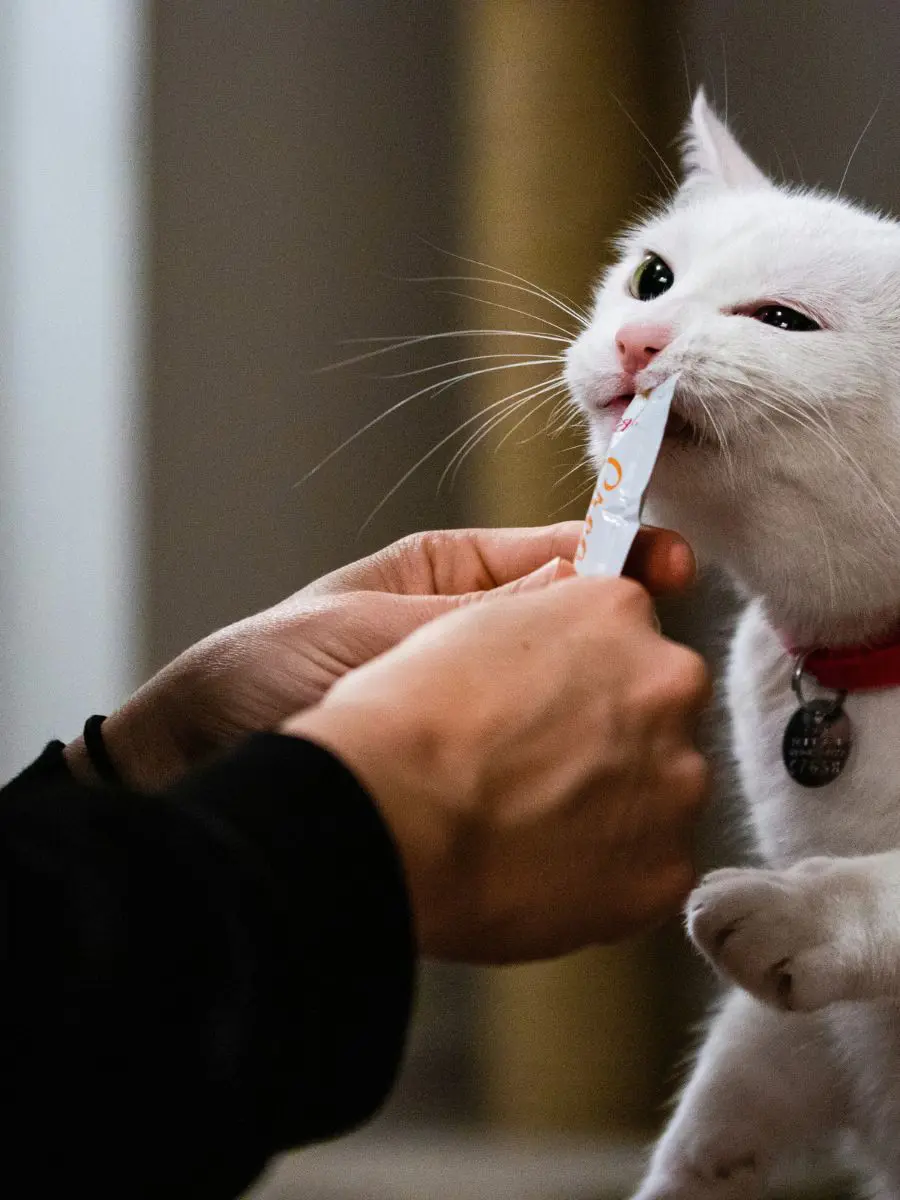
After treatment of lice, it is important to conduct regular check-ups to monitor for signs of recurrence. Conduct thorough checks of your cat’s fur frequently, especially in the weeks following treatment. Early detection of lice or eggs can prevent intense infestation.
Monitor your cat's behavior for any signs of itching, excessive scratching, or skin irritation. This can indicate the presence of lice or other skin issues. If you find a lice or suspect again consult your vet immediately. They can confirm your presence and recommend the correct treatment based on the situation of your cat.
Don't forget to follow the recommendations given by your vet for maintaining a lice-free environment and only use products advised by them.
10. Hygiene Practices
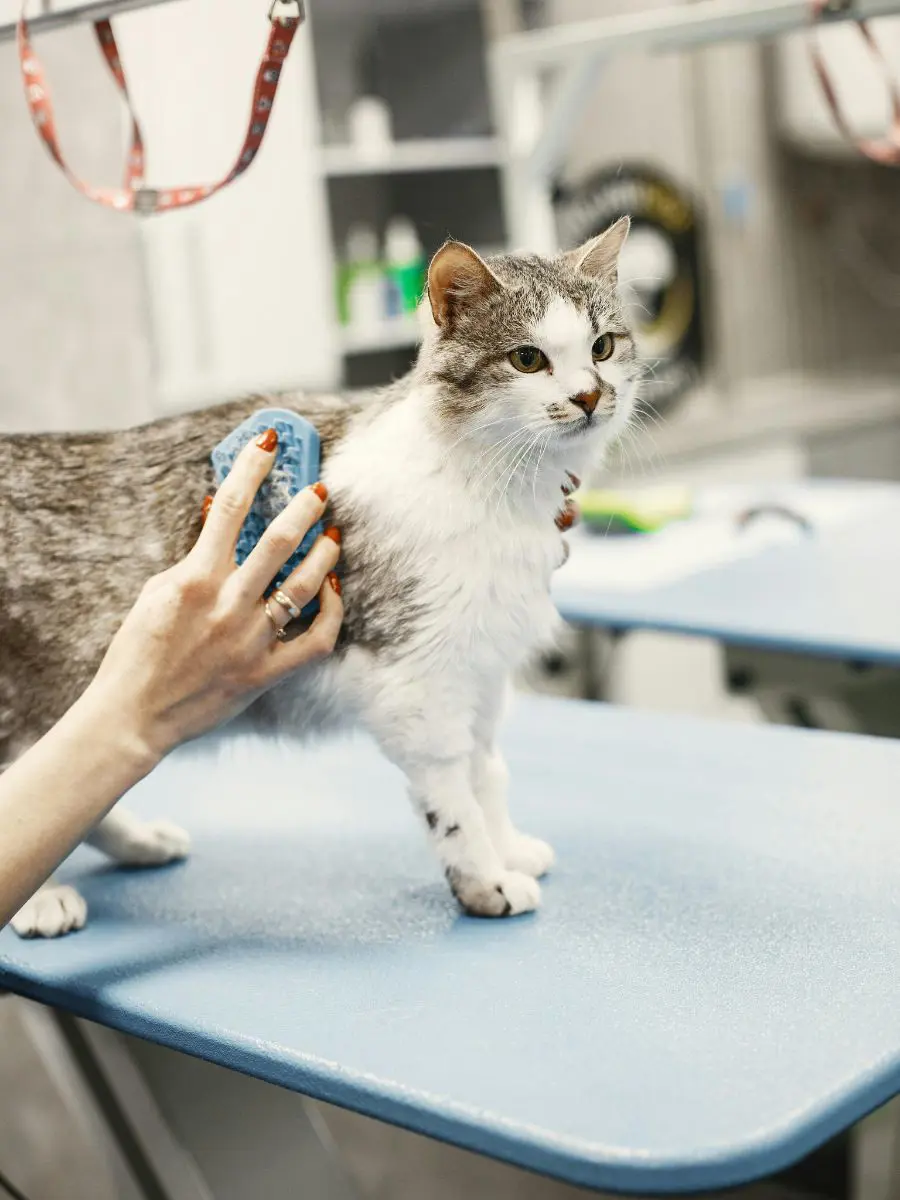
Maintaining a good cleanliness procedure is essential when dealing with a cat infested with lice to prevent the spread of lice or eggs to other areas or pets. Washing your hands thoroughly with soap and water immediately after handling an infested cat helps reduce the risk of transferring lice or eggs to yourself, other pets, or household surfaces.
Change your clothing if it comes into contact with a troubled cat, especially if you have other pets or children at home. Consider using dedicated clothing or coverings when handling an infested cat. Clean brushing tools, such as combs and brushes, after each use on an infested cat. Wash them with hot water and soap, or use a disinfectant to kill any lice or eggs that may be present.
11. Seperate Infected Cats From Other Pets
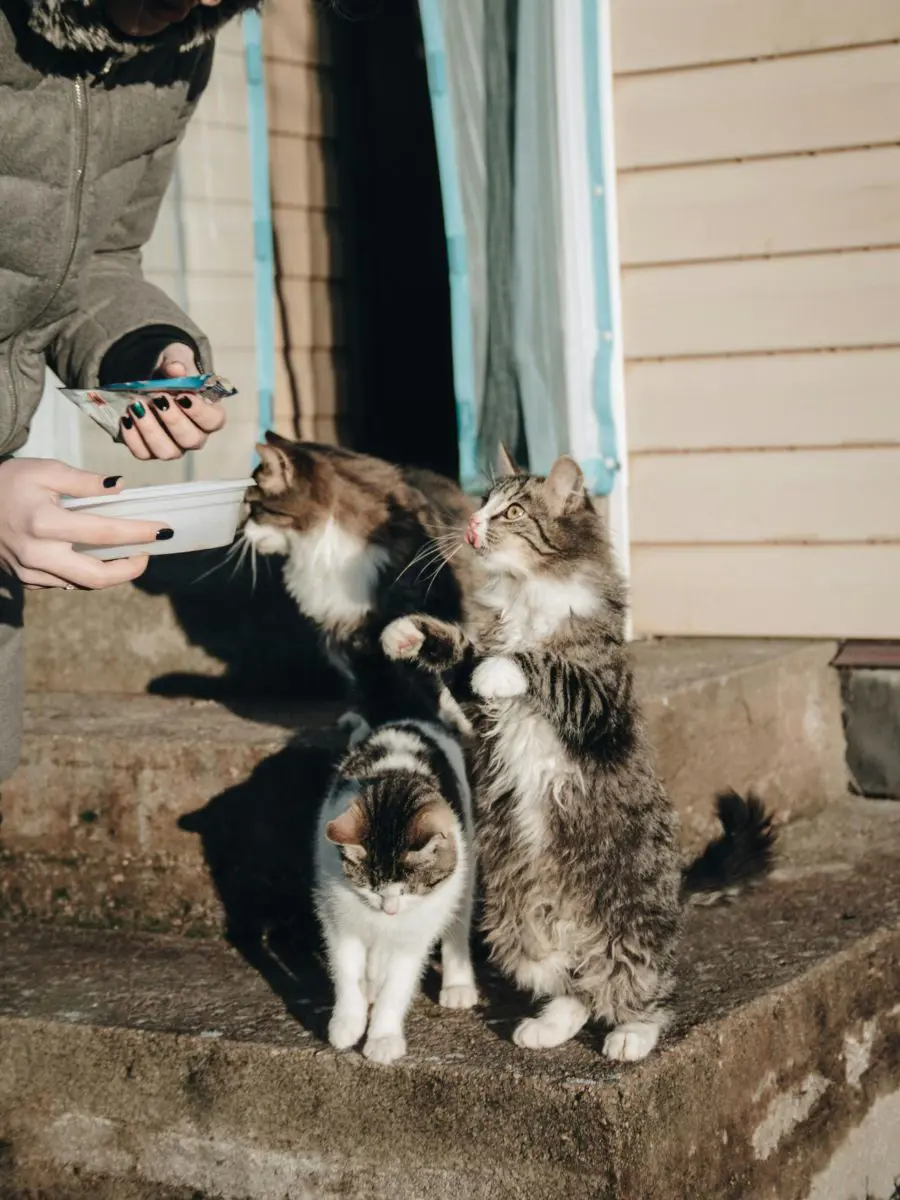
If you have multiple pets in your household and one of them is infested with lice, it's important to check all pets for signs of infestation and treat them instantly. Regularly inspect all pets for signs of lice recurrence, such as excessive scratching, visible lice or eggs in the fur, and irritated skin.
Pay attention to areas where lice are mostly found, such as around the neck, ears, and tail base and separate them from others to prevent the spread of lice. This can help contain the reapprance and reduce the risk. Consult your veterinarian to confirm the presence of lice and determine the most appropriate treatment for each pet.
They may recommend specific products or treatments based on each pet's species, age, and health status.
12. Monitoring Health

Observing your cat's health during and after lice treatment is crucial to ensure they recover fully and to handle any complications immediately. Observe closely your cat's behavior, appetite, and activity levels.
Supervise for any signs of distress, such as excessive scratching, skin irritation, or changes in behavior. Regularly inspect your cat's skin and fur for signs of improvement or any signs of lice infestation. Look for live lice, nits, or skin abnormalities like redness, sores, or scabs.
Be aware of potential side effects from treatment, such as skin irritation or allergic reactions. If your cat exhibits any unusual symptoms, such as excessive drooling, vomiting, or lethargy, contact your veterinarian immediately.
13. Avoid sharing

It's important to avoid sharing grooming tools among cats to prevent the spread of lice. Using the same grooming tools such as combs, brushes, and clippers can transfer lice from an infested pet to a healthy one.
Lice can easily cling to the tools and spread between pets during grooming sessions. Try to use separate cleaning tools for each pet. Label them separately to make sure they are not mixed up or inadvertently used on another pet.
Clean grooming tools thoroughly after each use, especially if used on an infested pet. Wash them with hot water and soap or use a pet-safe disinfectant to kill any lice or eggs that may be present.
14. Natural Oils
Essential oils are considered one of the most famous preventive measures to help remove cat lice. Oil not only helps the lice away, it also keeps the furry healthy.
Neem oil has some insecticidal properties which can help to disrupt the life cycle of lice. Lavender oil has natural insect repellent properties as it can be diluted and applied on cats fur helps prevent lice.
Tea tree oil has antimicrobial and insecticidal properties that may help in driving away the lice. However, it should be used very sparingly and highly diluted. Cedarwood oil has insect-repellent properties and can be diluted and applied to your cat's bedding or areas where they spend time to help repulse lice.
And lastly, Rosemary oil contains a strong scent that can act as a natural repellent against lice.
15. Use Lice Collars
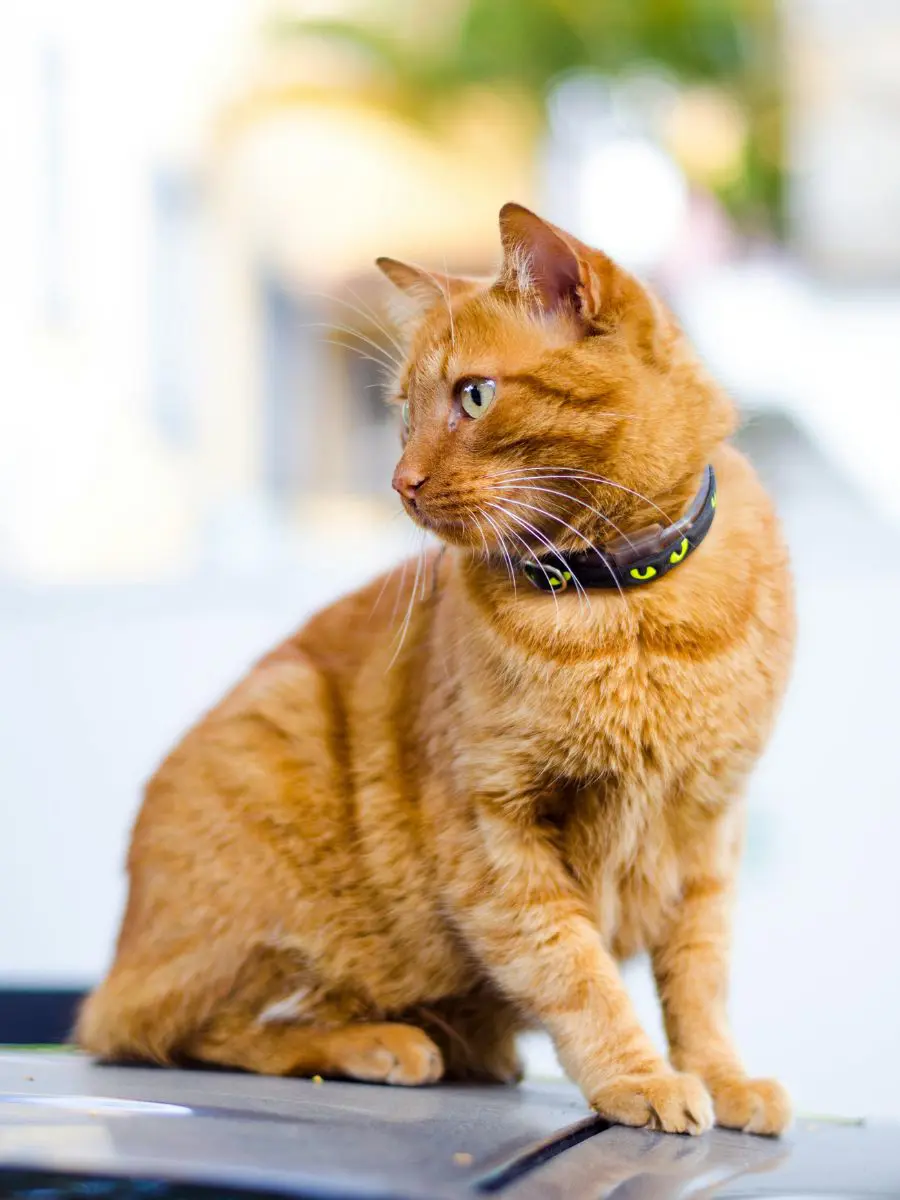
Lice-repellent collars designed specifically for cats can be a helpful measure to help prevent and avoid lice infestations. These collars for cats typically contain insecticidal or repellent ingredients that are slowly released over time, which can help deter lice from attaching to your cat’s fur and can disrupt the life cycle of lice.
It provides continuous protection against lice, and can also be particularly useful in multi-pet households and environments where lice infestations are more common. Lice collars are easy to use and require minimal maintenance once applied. Simply secure the collar around your cat’s neck.
Depending on the brand and formulation, lice collars can protect for several months before needing replacement which makes them convenient for ongoing prevention.
16. Keep Cat Indoors

Keeping your cat inside the house can help stop lice infestations by cutting their exposure to environments where lice are commonly transferred. Indoor cats have the least contact with other animals that may carry lice, such as stray cats, wildlife, or other pets with lice infestations.
Indoor environments are typically cleaner and easier to maintain, reducing the likelihood of lice infestations compared to outdoor environments where lice can thrive in vegetation, soil, and outdoor animals. Cats that stay indoors are less likely to encounter environments where lice tend to reside, such as grassy areas, bushes, and wooded areas where lice may be more prevalent.