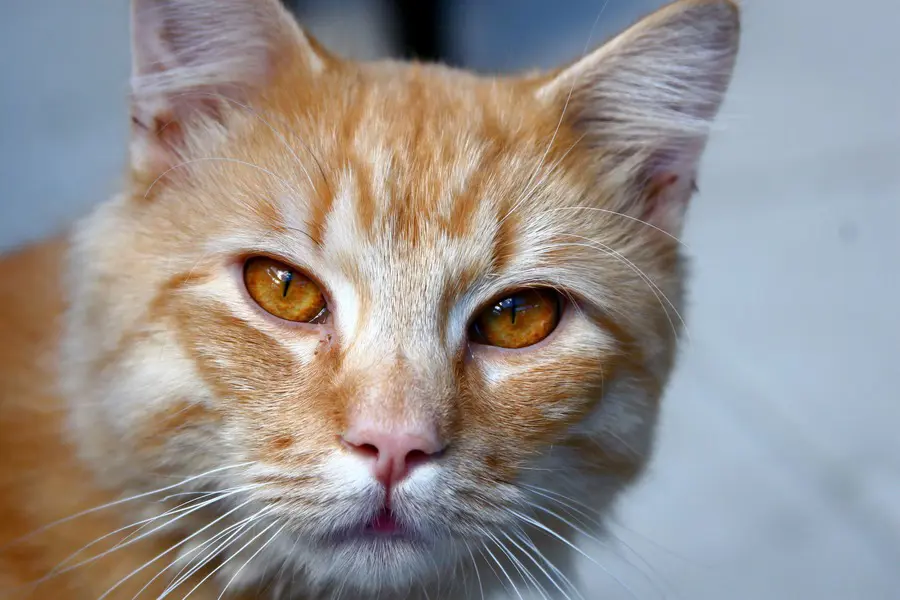
The Truth Behind Cat Tears: Decoding Feline Crying and Its Significance
On May 26, 2024



Cats, those enigmatic creatures we share our homes and hearts with, often exhibit behaviors that leave us questioning their emotions and needs. Among these behaviors is crying, a sound that can be distressing for any pet owner to hear.
But do cats cry when they are sad or in pain? What does it mean if your cat is crying? Understanding feline emotions and communication is key to addressing their needs and ensuring their well-being.
Understanding Cat Communication
Before delving into the topic of whether cats cry, it's essential to understand how cats communicate.
Cats primarily communicate through body language, vocalizations, and scent marking. Their vocalizations can vary widely, from meows and purrs to hisses and growls. Each vocalization serves a specific purpose, whether it's to express contentment, fear, aggression, or pain.
While cats do not shed tears like humans do, they can produce sounds that resemble crying. These sounds can indicate various emotions or needs, including distress, discomfort, hunger, or seeking attention.
It's crucial for cat owners to pay attention to these vocalizations and observe accompanying behaviors to discern their meaning accurately.
Do Cats Cry Tears?
Unlike humans, cats do not produce tears as an emotional response. While their eyes may appear moist due to normal tear production for lubrication and eye health, cats do not cry tears of emotion.
However, they can exhibit behaviors and vocalizations that mimic crying, leading some owners to believe that their cats are shedding tears.
When a cat is in distress or experiencing pain, it may vocalize in a manner that sounds like crying. These vocalizations can range from soft whimpers to loud wails, depending on the severity of the cat's discomfort.
Additionally, cats may exhibit other signs of distress, such as restlessness, hiding, decreased appetite, or changes in litter box habits.
Causes of Cat Crying
Understanding the reasons behind a cat's crying is crucial for addressing their needs and ensuring their well-being. Several factors can contribute to a cat vocalizing in distress:
1. Physical Discomfort or Pain
Cats may cry when they are experiencing physical discomfort or pain. This could be due to injuries, illnesses, dental problems, arthritis, or other medical conditions. If your cat is crying excessively, it's essential to have them evaluated by a veterinarian to rule out any underlying health issues.
2. Emotional Distress
Cats are sensitive creatures that can experience emotional distress in response to various factors, such as changes in their environment, separation anxiety, or the loss of a companion (human or animal). Emotional distress can manifest as crying, along with other behavioral changes like hiding, aggression, or excessive grooming.
3. Hunger or Thirst
Like humans, cats vocalize when they are hungry or thirsty. If your cat's cries are accompanied by pacing around the food bowl or nudging you, they may be indicating their need for sustenance. Ensuring your cat has access to fresh water and regular meals can help alleviate hunger-related crying.
4. Attention Seeking
Cats are known for their independent nature, but they also crave attention and companionship from their human caregivers. If your cat is vocalizing excessively and seeking attention through meowing or rubbing against you, they may simply be craving interaction and affection.
5. Environmental Stressors
Changes in the cat's environment, such as moving to a new home, introducing new pets, or loud noises, can trigger stress and anxiety in cats. This stress may manifest as crying or other behavioral changes as the cat adjusts to the new surroundings.
Responding to a Crying Cat
When your cat is crying, it's essential to respond with empathy and attentiveness to address their needs effectively. Here are some steps you can take to help a crying cat:
Assess for Physical Health Issues:
If your cat's crying is persistent or accompanied by other concerning symptoms like lethargy, vomiting, or difficulty breathing, seek veterinary care promptly. A thorough physical examination and diagnostic tests may be necessary to identify and treat any underlying health issues.
Provide Comfort and Reassurance
Comfort your cat with gentle petting, soothing words, and calm reassurance. Creating a safe and secure environment can help alleviate their stress and anxiety, especially during times of change or upheaval.
Maintain Consistent Routines: Cats thrive on routine and predictability, so maintaining consistent feeding, play, and sleeping schedules can help reduce their anxiety and prevent excessive crying.
Address Environmental Stressors
Identify and minimize potential stressors in your cat's environment, such as loud noises, unfamiliar visitors, or changes in routine. Providing hiding spots, vertical space, and enrichment activities can help cats feel more secure and confident in their surroundings.
Rule Out Hunger or Thirst
Ensure your cat has access to fresh water and a balanced diet to prevent hunger-related crying. Stick to regular feeding times and monitor your cat's food intake to ensure they are eating enough to meet their nutritional needs.
Conclusion
While cats do not cry tears like humans, they can vocalize in ways that mimic crying to communicate their needs, emotions, and discomfort.
Understanding the reasons behind a cat's crying is essential for providing appropriate care and support. Whether it's addressing physical discomfort, emotional distress, or environmental stressors, responding to a crying cat with empathy and attentiveness is key to ensuring their well-being and strengthening the bond between cat and owner.
By observing your cat's behavior, listening to their vocalizations, and providing a nurturing environment, you can help your feline companion feel safe, loved, and understood.