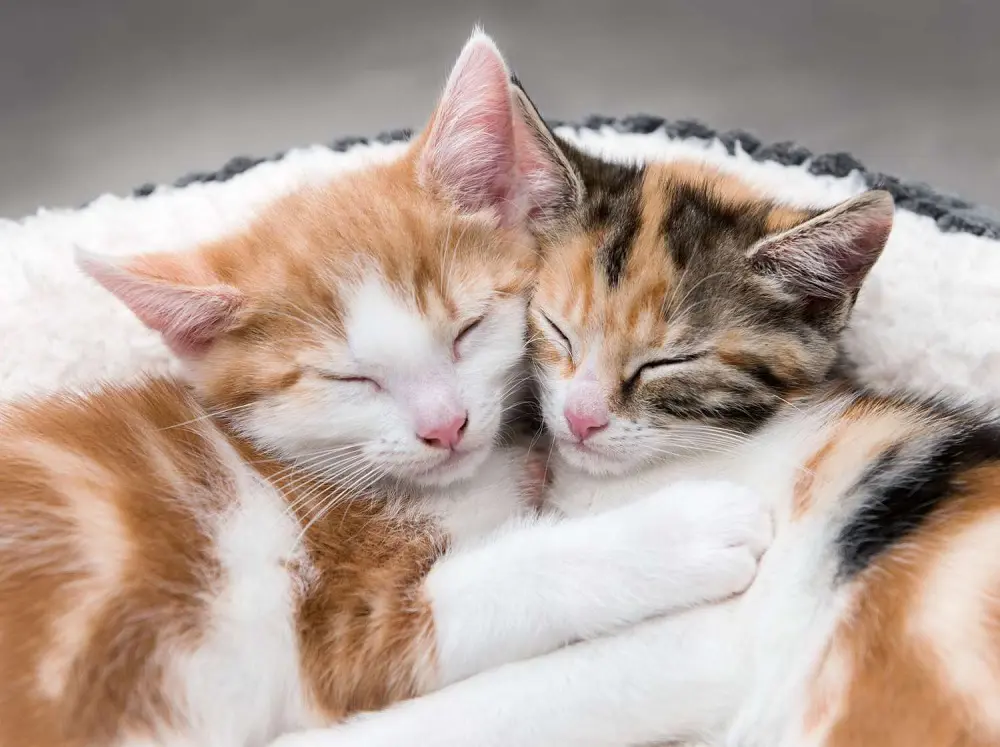


Cat colors and patterns are hugely influenced by genetics. Except in cases of rare genetic mutations, the coat colors of parent cats always determine the hue of their offspring.
As cat owners, we vow to never judge a cat by its color. However, while planning to adopt or purchase a cat, colors and patterns almost always become the deciding factor. A cat parent may be tempted by a rare color and skip colors that are commonly found.
In this article, we discuss 18 facts about cat colors along with how these colors are passed down for generations.
1. Black
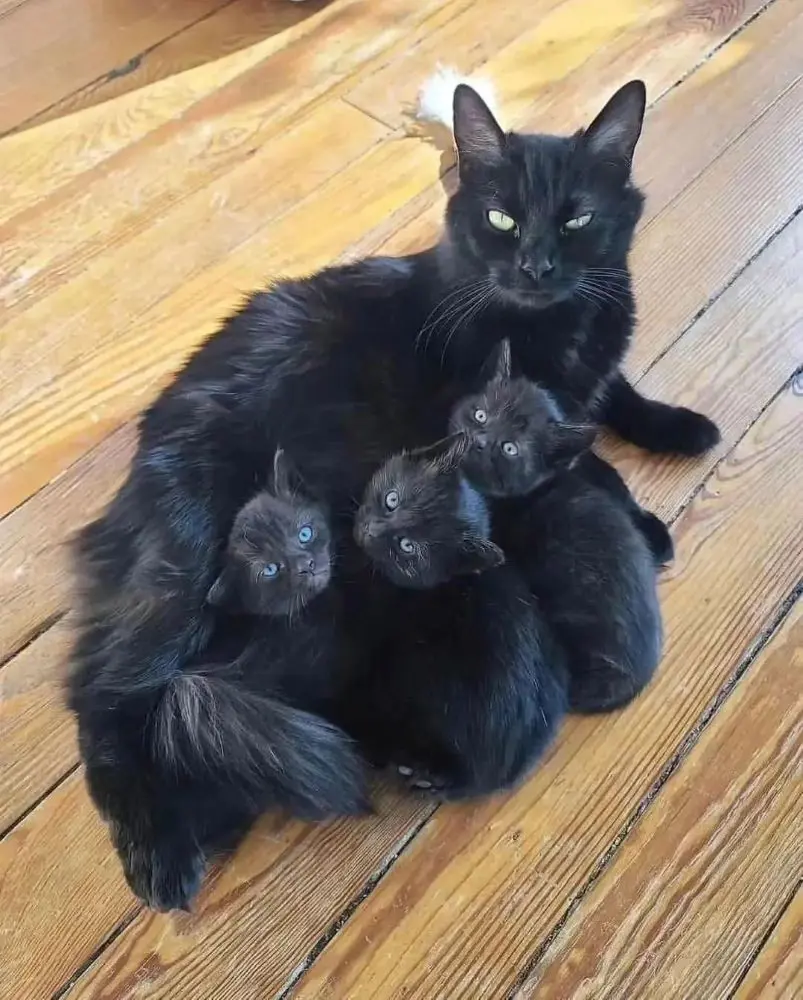
Solid black coats in cats are often credited to a dominant gene that produces a dark pigment called eumelanin. A high level of melanin not only helps create a solid black coat but is also responsible for yellow or amber eye colors.
Black cats have been scrutinized in the past, mostly due to their association with witchcraft and other superstitions. In many cultures, black cats are mistaken to bring bad luck. On the other hand, other cultures worship them as god-sent protectors of humanity.
One interesting fact about the black color is that hairs of this color can rust when exposed to sunlight for a prolonged period, often turning reddish. As the eumelanin pigment starts to break down, the cat will develop a reddish undertone.
2. White
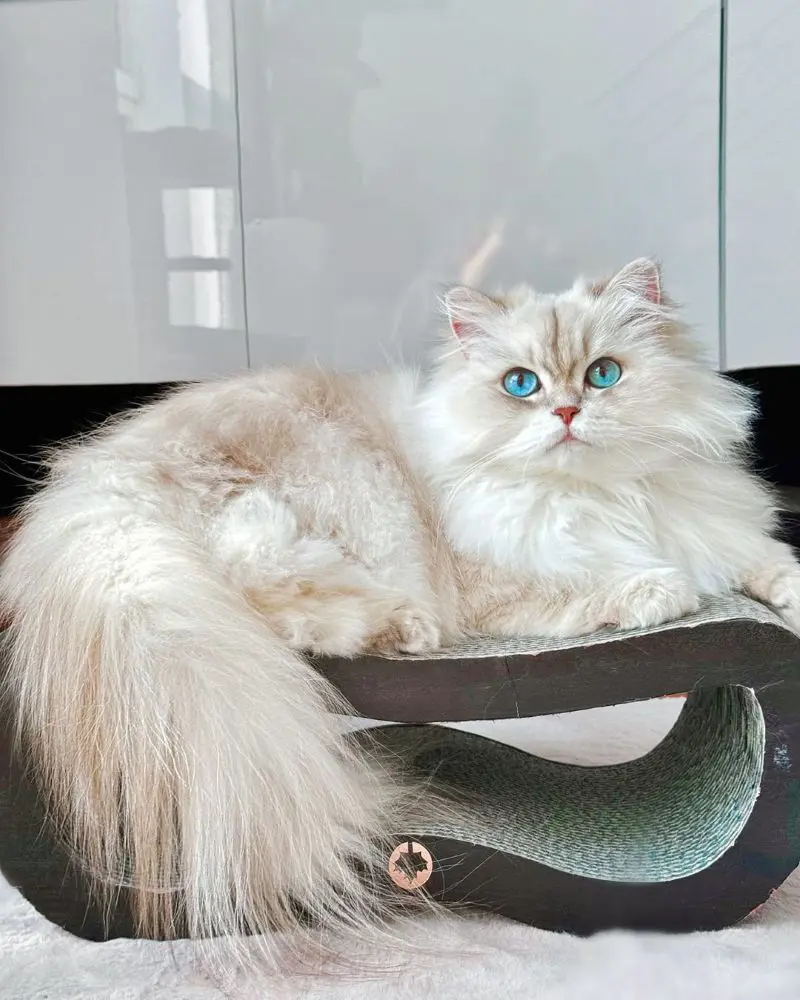
In felines, the white coat is the result of the dominant white (W) gene. In solid whites, the white gene masks all the other colors, causing the coat to appear completely white.
Similarly, the white spotting (S) gene is also responsible for beautiful white fur. In some cases, cats with this gene can appear almost entirely white, though they may still carry underlying color patterns visible in small patches. While the white color is pleasing to the eyes, it also increases the risk of congenital deafness, especially in white cats with blue eyes.
Although not conclusively proven, some breeds are more likely to possess white coats than others. Breeds like Turkish Angoras, Persians, and British Shorthairs are often linked to white color in cats.
3. Gray
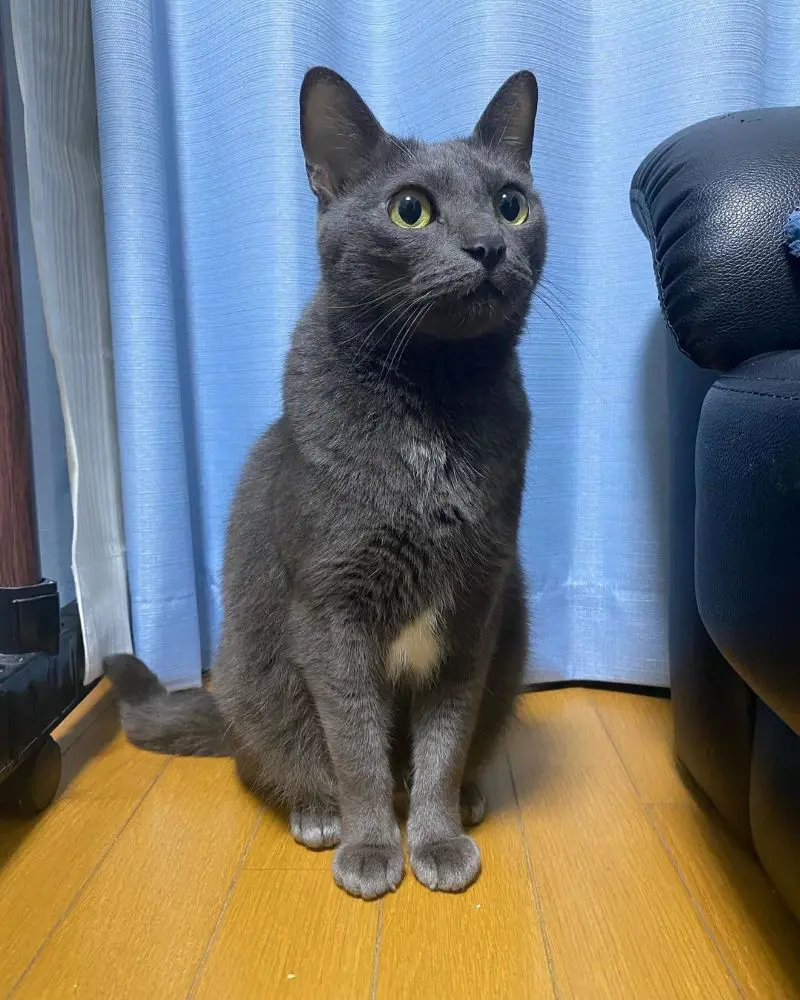
Also called blue in the cat world, gray coats can give an elegant and misty appearance to any cat. Often lacking markings or patterns, solid gray coats can create a silvery shine, that can vary from light gray to a deeper slate tone.
Solid gray cats are less common than tabby or mixed-pattern cats but are not extremely rare. Their rarity depends on the breed, as certain breeds like the Russian Blue and Chartreux are specifically known for their solid gray coats. However, this color can appear in various other breeds and domestic mixed-breed cats.
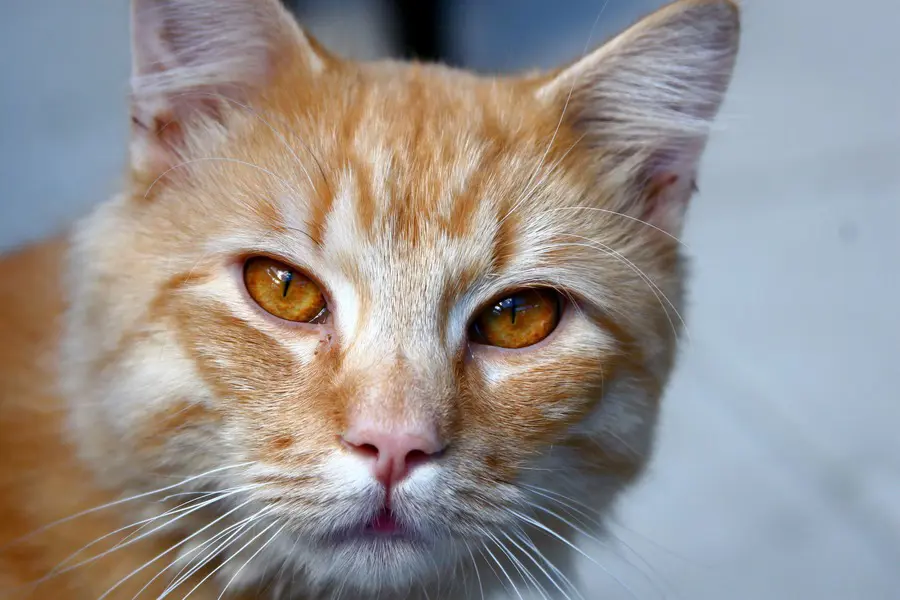
4. Orange (Red)
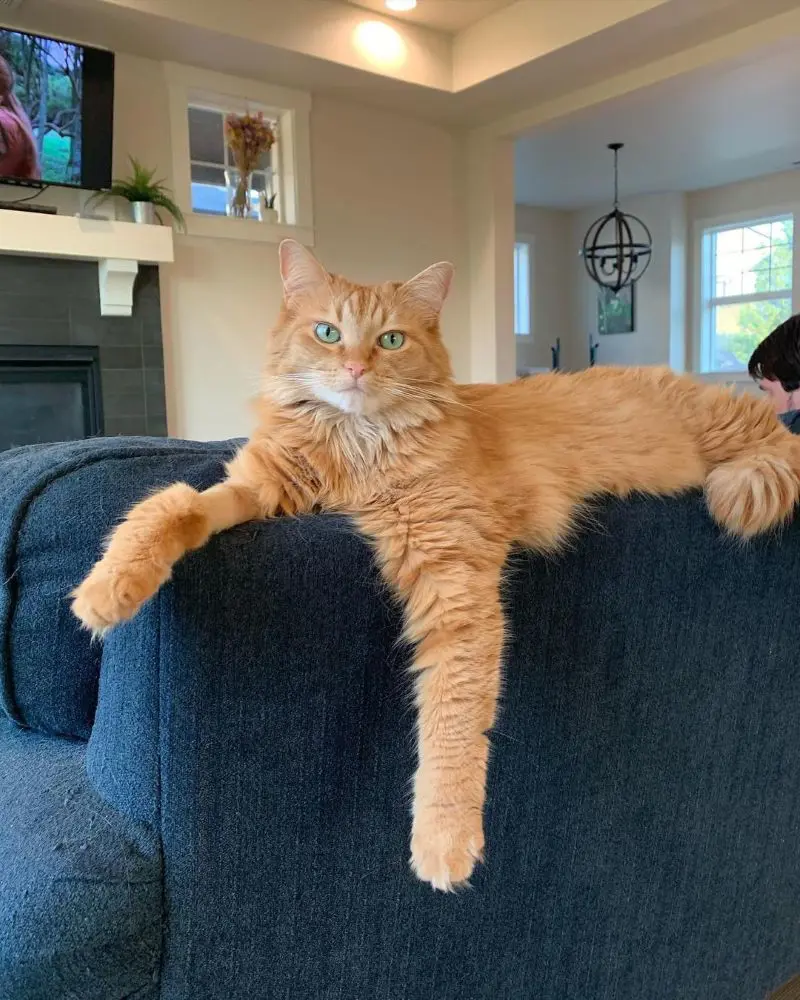
Orange is a coat color mostly associated with male cats; studies show that over 80% of male cats are orange. A male cat requires a single orange X chromosome to develop an orange coat, whereas a female cat will need two X chromosomes to become orange.
A male kitten born of an orange female cat and a male cat of another color will almost always have an orange undercoat. Meanwhile, if the mother is a tortoiseshell cat, only 50% of her offspring will be orange.
Unlike black cats, solid orange cat is extremely rare. In fact, some experts believe that, except in cases of a genetic anomaly, solid orange cats are non-existent.
5. Cream
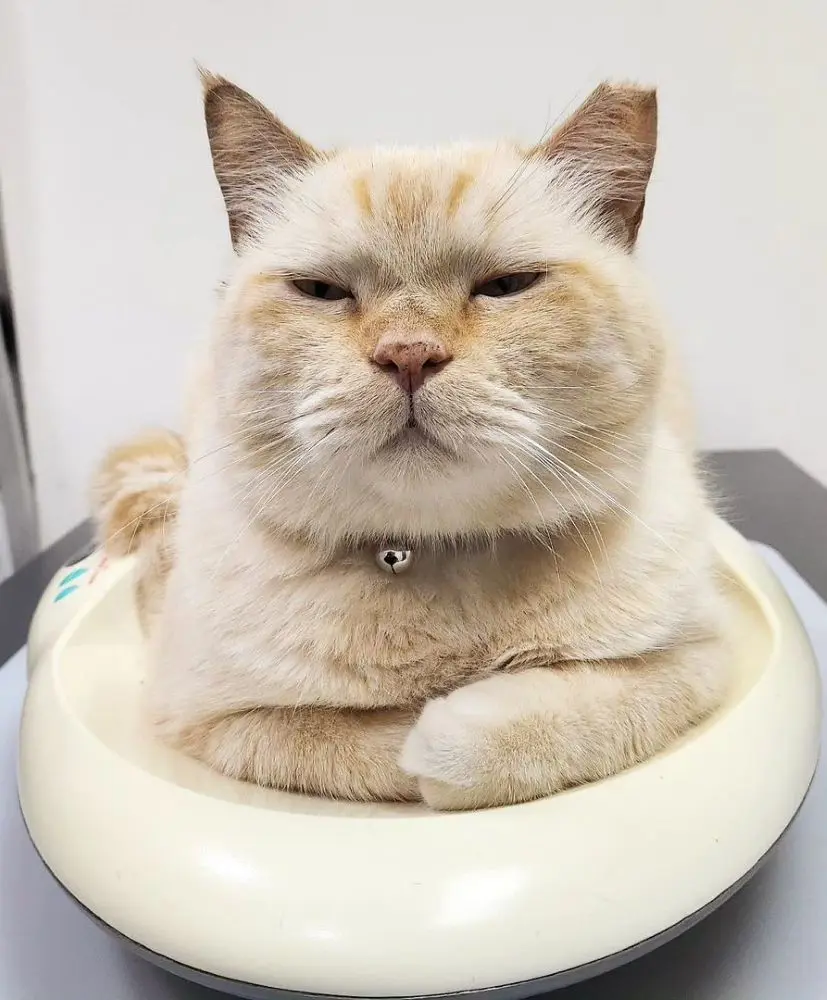
Described as a lighter version of orange, cream coats give cats a subtle appearance. Usually, the soft, pale color ranges from a faint off-white to a gentle pale beige.
Additionally, cream-colored fur can have a velvety texture; this color is common in both longhaired and shorthaired breeds, where it may appear as solid cream or in patterns such as tabby, tortoiseshell, or calico.
Genetically, cream color is developed due to the dilution gene, which lightens the darker shades of orange or red into a more pastel hue. The gene responsible for this transformation is a recessive one, meaning both parents must carry it for their offspring to inherit the cream coat.
6. Chocolate
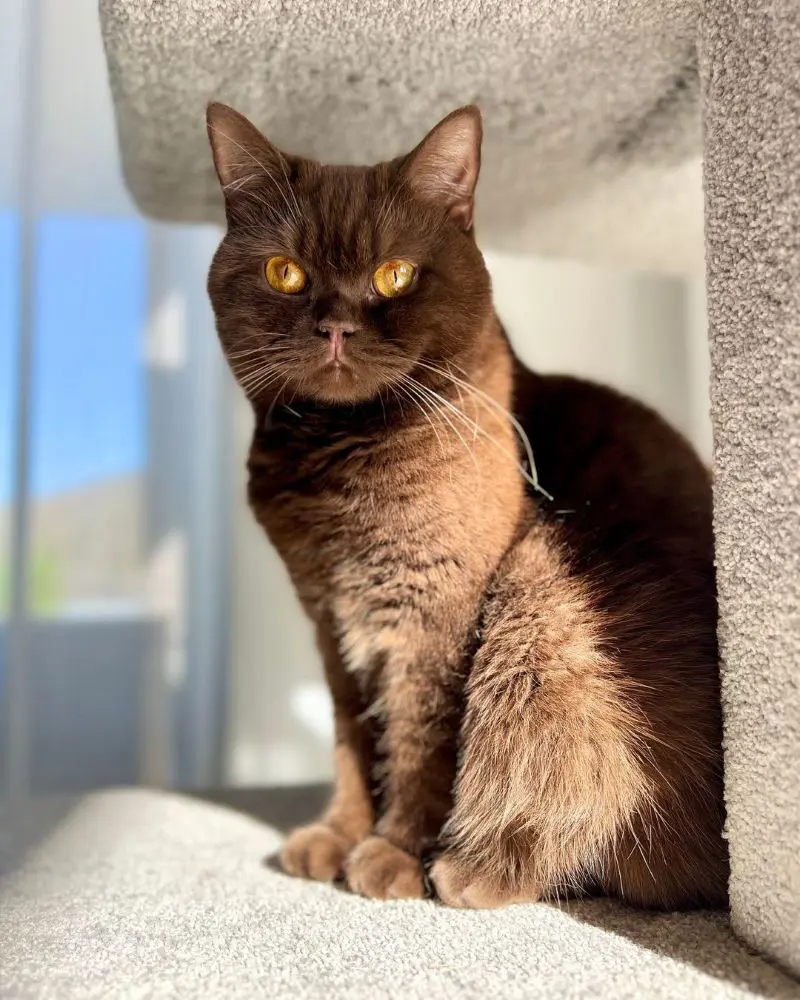
Chocolate color in cats refers to a dark brownish shade. This coat color is caused when cats possessing the recessive gene B/b mate with a cat of any other color, but only around half of the kittens will be born with the chocolate color.
Chocolate is a relatively rare color in solid coats. However, you'll find plenty of tabbies and tortoiseshell cats of this color. At the moment, the Havana Brown is the breed that comes exclusively in chocolate. However, there are breeds with a fair population of brown cats, including the York Chocolate Brown cat, Burmese, Oriental Shorthair, and more.
7. Cinnamon

Extremely rare, cinnamon is considered a genetic variation of the brown color; it is usually caused by a recessive gene that modifies the darker pigments - black or brown - to produce a lighter reddish-brown shade. A kitten will be born with a cinnamon coat only if both of its parents carry the cinnamon gene.
Cinnamon is often confused with chocolate, but it is a lighter, warmer version of brown. While chocolate has a more milk-like brown hue, cinnamon has a reddish tone, just like the spice it's named after.
As cinnamon is a recessive trait, it is extremely rare in the general cat population. Cats with a solid cinnamon coat are highly prized among breeders and cat enthusiasts, as the color is not normally found in any breed.
8. Fawn
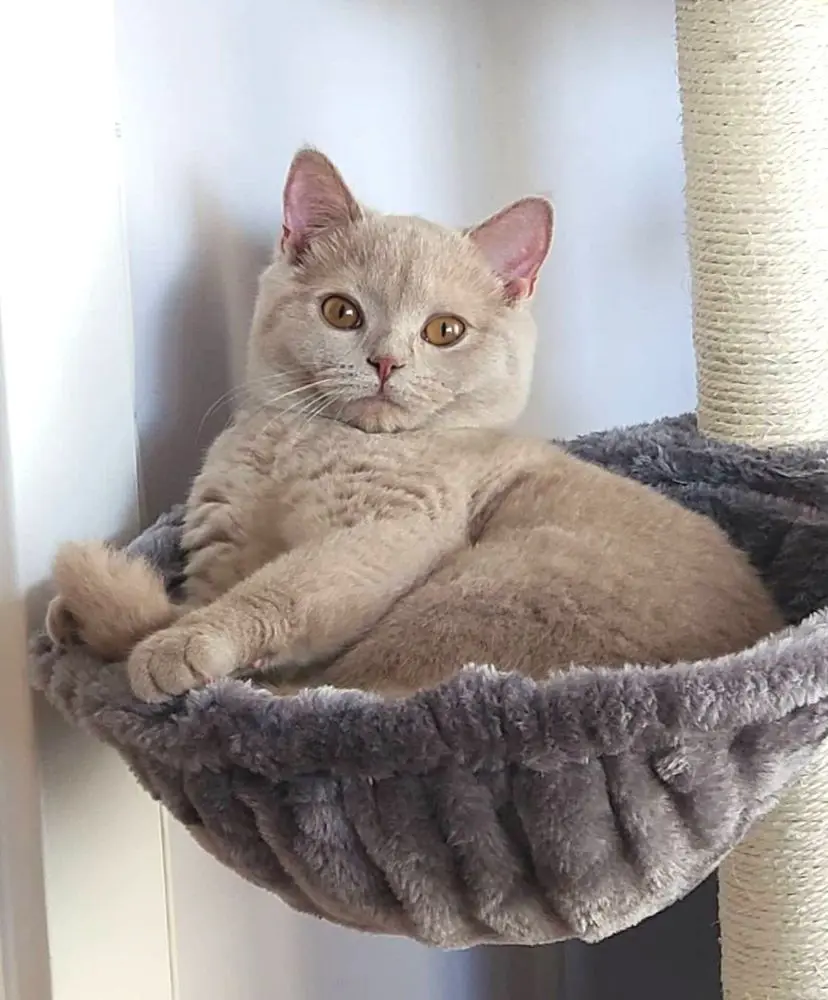
In the feline world, the fawn resembles a diluted version of cinnamon. While fawn-colored cats may appear almost creamy, they usually have a deeper tone that differentiates them from pale cream or white cats.
As it results from the dilution of the cinnamon color gene, fawn is even less frequent than cinnamon coats. Both parents must carry the recessive gene for a kitten to inherit the fawn color.
Similarly, since the gene that triggers the dilution is also responsible for the fawn coat’s unique shade, the coat color is less common than other coats like black or orange.
9. Lilac
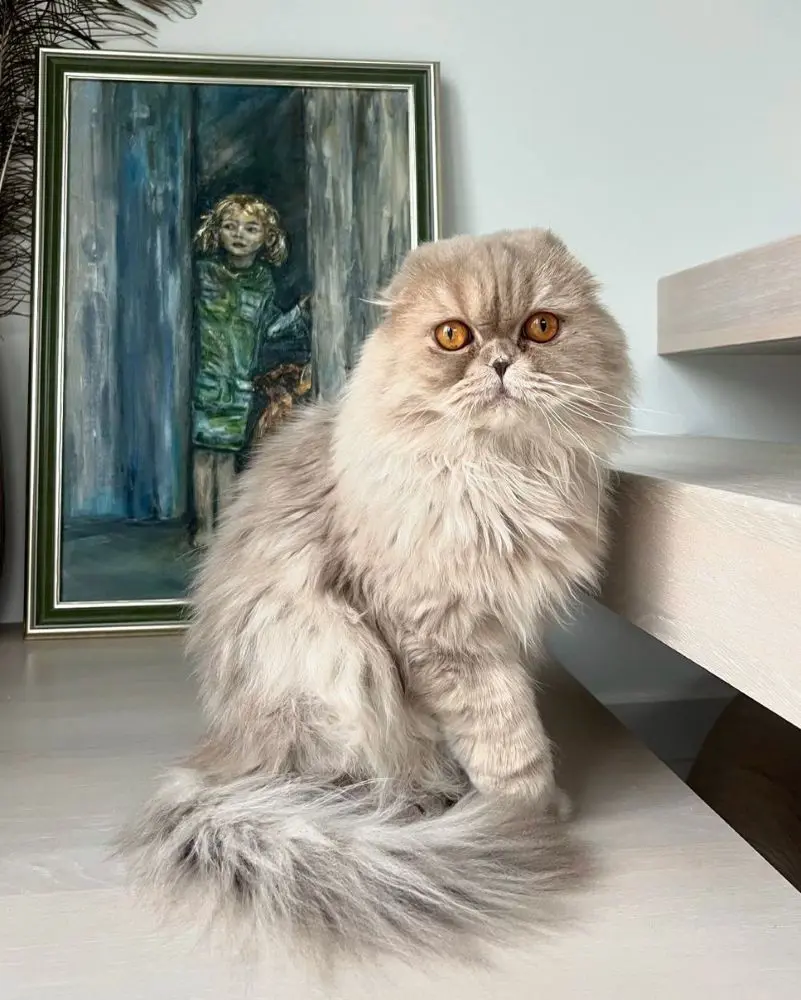
Appearing as a delicate grayish-lavender color with pinkish undertones, lilac is generally considered the muted version of the chocolate brown coat. The beautiful fawn coats are often accompanied by striking eye colors, usually ranging from light green to gold.
As a rare coat color, lilac is found more frequently in solid coats rather than tabby patterns. In tabby cats, the lilac color can sometimes appear as a diluted or less intense version of the tabby colors, but it is far less noticeable than in solid-colored cats.
Although some breeders will argue, certain breeds are more likely to produce lilac cats. For instance, breeds like the Burmese, British Shorthair, and Siamese have a higher probability of producing lilac variants, particularly in solid coat types.
10. Tabby
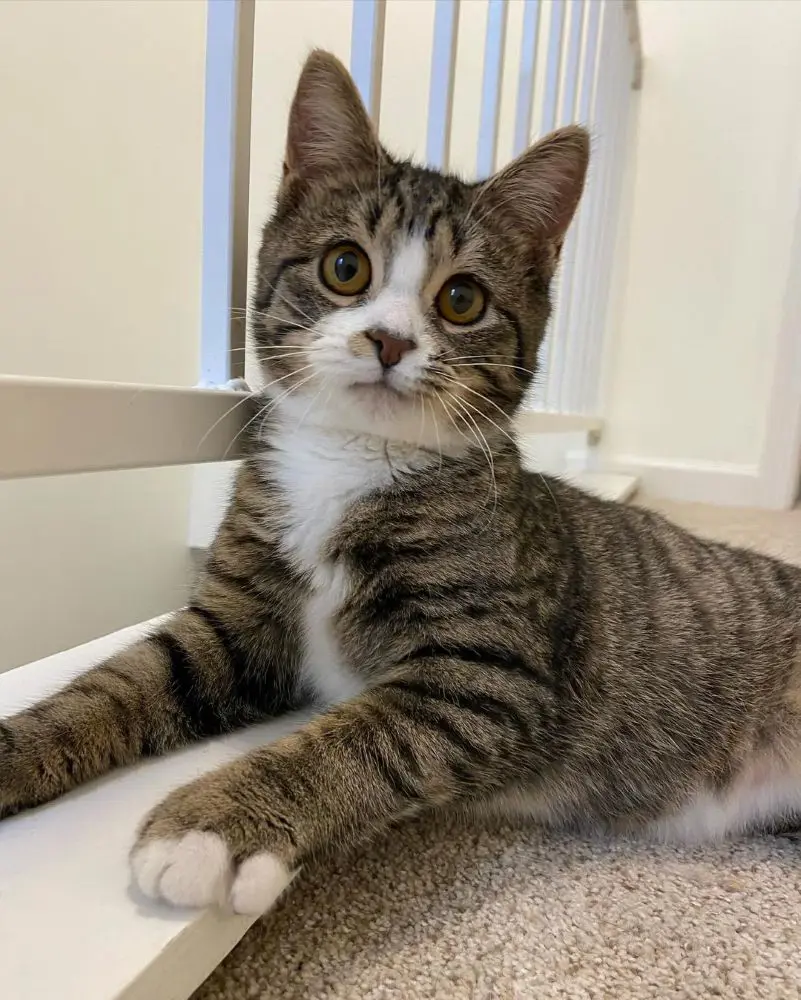
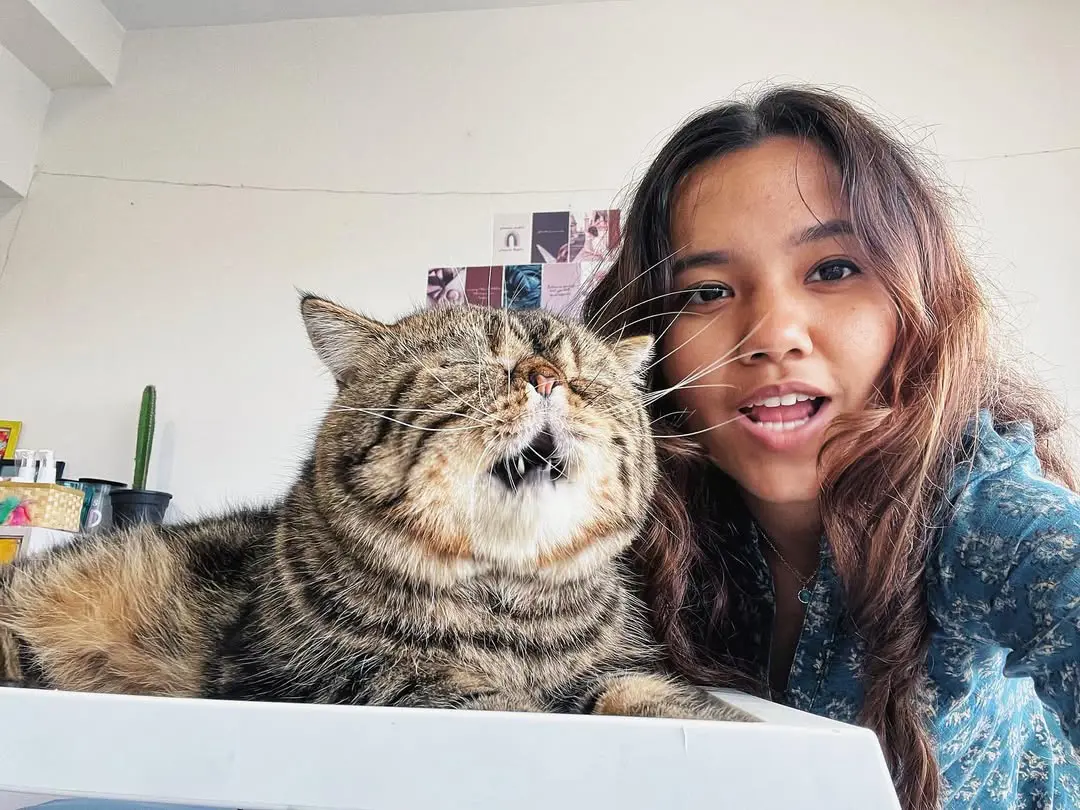
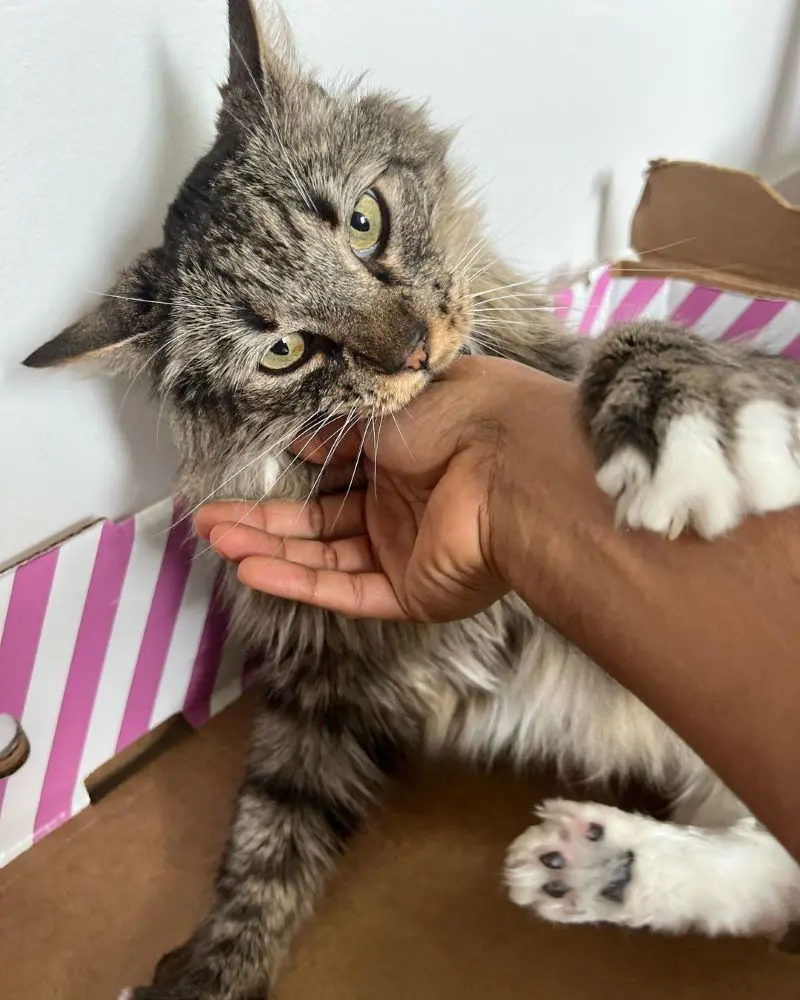
Tabby cats can be instantly recognized by the distinctive M marking on the forehead, followed by a coat covered with stripes, swirls, spots, or a combination of these. The term tabby doesn't imply a specific breed, but rather a pattern that can appear in many different cat breeds and even mixed-breed cats.
Additionally, tabby cats usually appear in five unique patterns: classic, swirling, mackerel, spotted, and ticked. Likewise, tabby cats are also not limited to a single color. While the tabby coats are black, there are several variations including orange, brown, or gray tabby cats.
11, Tortoiseshell
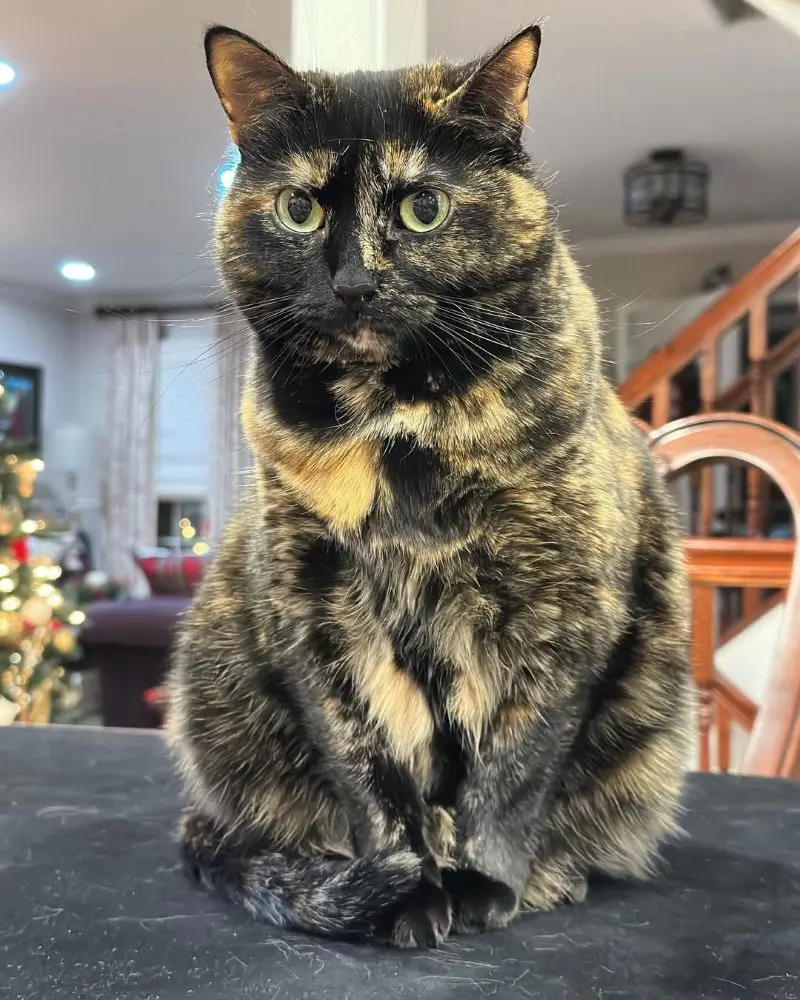
Tortoiseshell cats are bi-color cats that feature a pattern resembling a tortoise's shell. Also called torties, these cats are mostly female as male cats only have one X chromosome. a cat needs two X chromosomes two chromosomes to be a tortoiseshell cat; hence, only female cats have this coat pattern.
Generally, a tortoiseshell coat features a blend of two primary colors: black and orange. These colors are typically mixed in irregular patches to create a mottled or marbled appearance.
Most torties do not have separate color regions like calicos; instead, the black and orange pigments are intermixed fluidly for a layered effect.
12. Calico
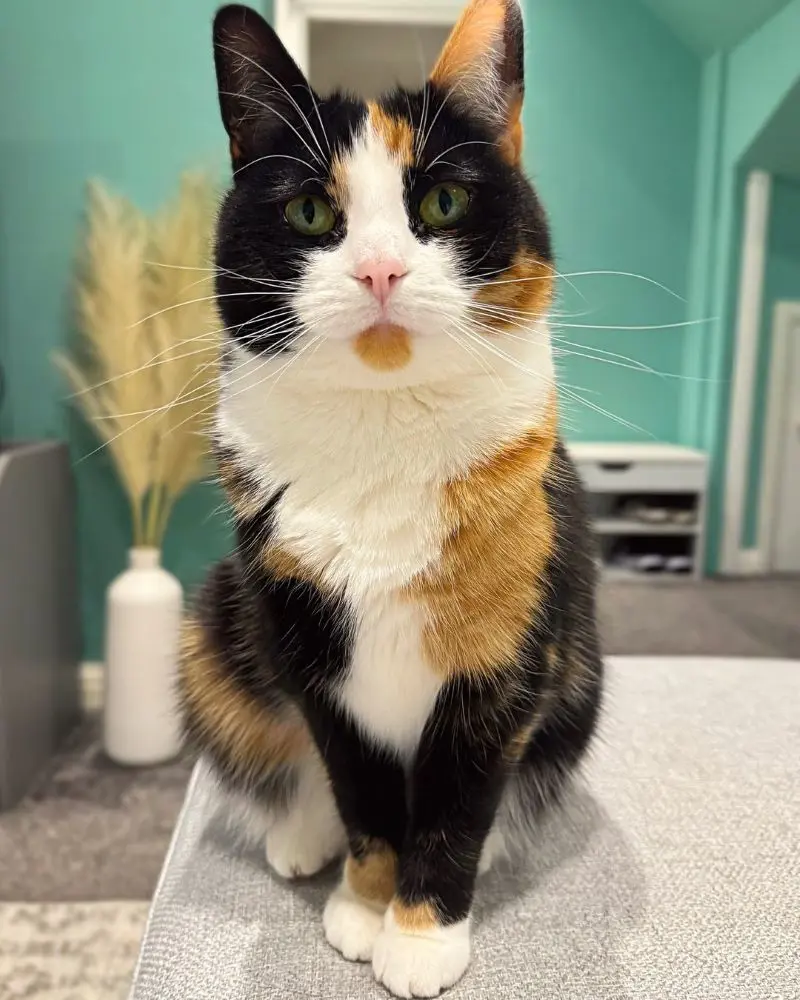
Calico cats possess a tri-color coat, usually consisting of white, black, and orange. Among the colors, white forms the undercoat and is mostly dominant, covering up to 75% of the cat's coat.
Unlike tortoiseshell cats, calico cats can have regions or spots that feature a single color. Similarly, the condition required for a cat to be a calico includes the presence of two X chromosomes, which is only available in females, therefore, most calico cats are females.
While male cats with XXY chromosomes do exist, they are incredibly rare. Only 1 in 3000 cats have XXY chromosomes or a calico coat.
13. Bi-Color (Tuxedo)
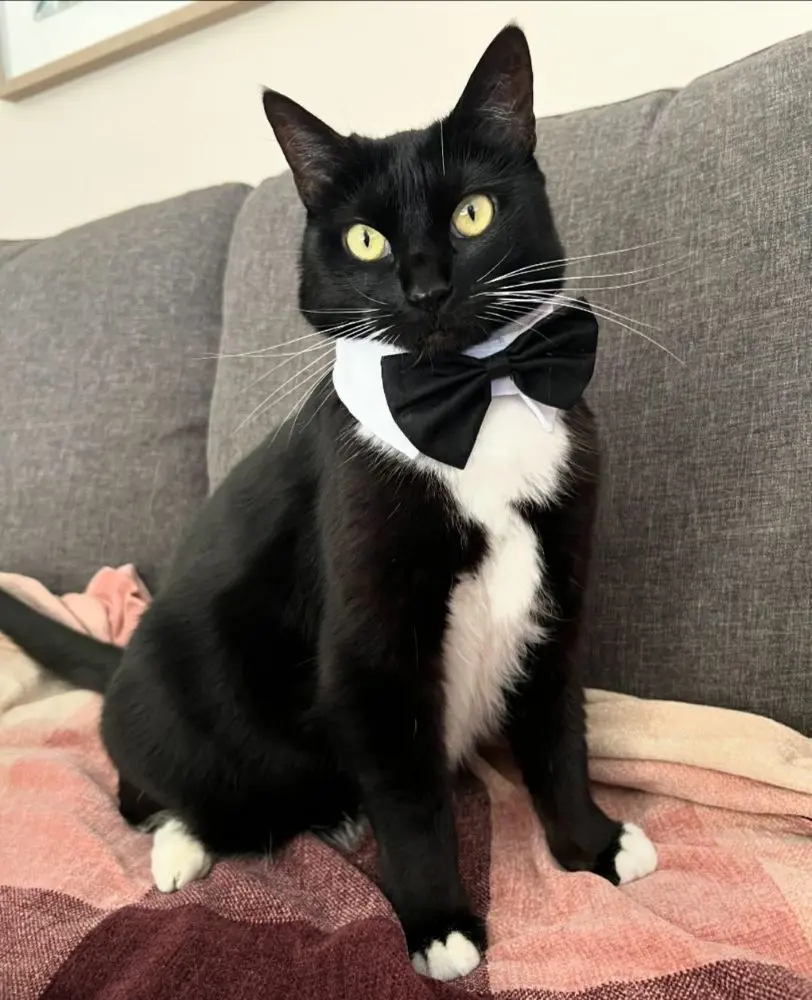
As their name suggests, bi-color cats are simply domesticated cats with two colors. Normally, bi-color cats possess a primary color, with white spots on different regions.
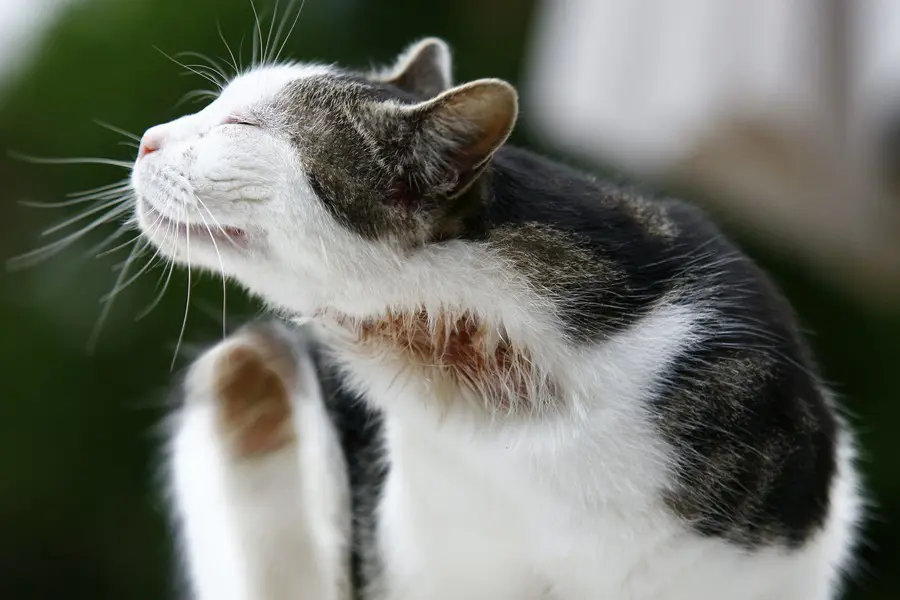
Also known as tuxedo cats, bi-color cats with black and white fur are considered one of the most attractive patterns in cats. Besides black and white, bicolor cats can also be found in other combinations, including gray and white, cream and white, orange and white, and more.
As male cats don't have the second X chromosome, almost all bi-color cats are females. However, rare genetic conditions can sometime cause a male cat to have bi-colored coats.
14. Colorpoint
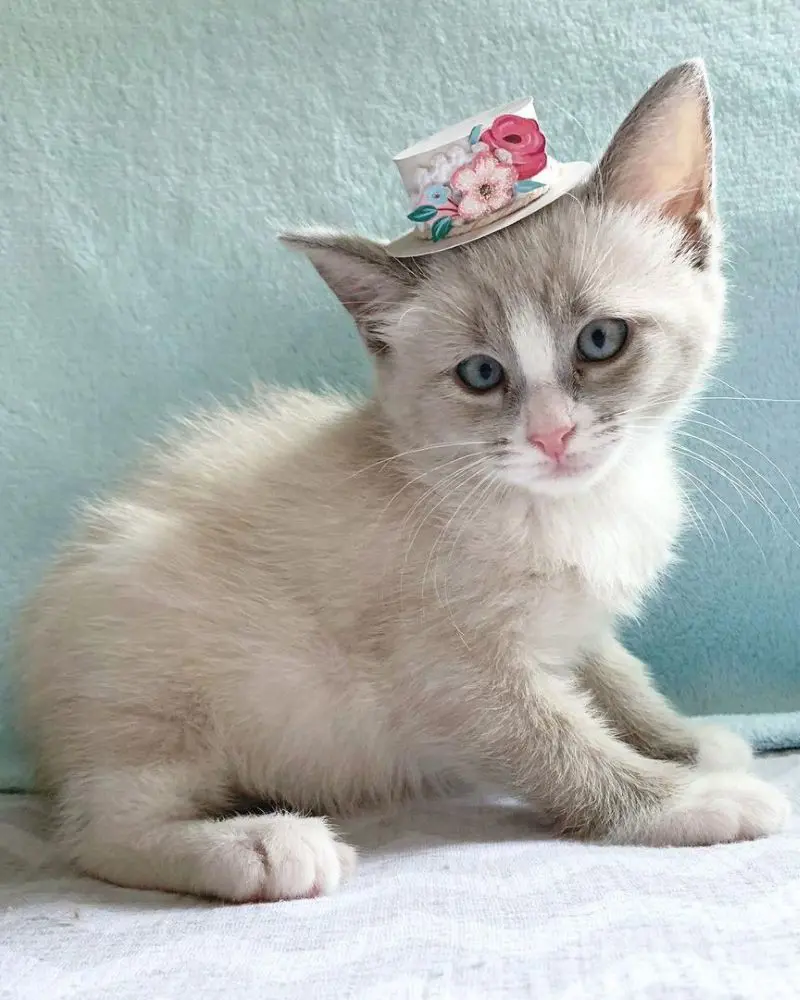
Colorpoint cats are characterized by their unique coat combination, where the body is a lighter shade, whereas other parts - such as the ears, face, paws, and tail - are darker. This contrast is responsible for creating a pointed appearance, thus the name.
Unbeknownst to most, the colorpoint patterns are caused by a temperature-sensitive albino gene, which limits pigment production to the cooler parts of the cat's body. This creates a lighter torso, while other parts inherit a darker shade.
15. Short Hair
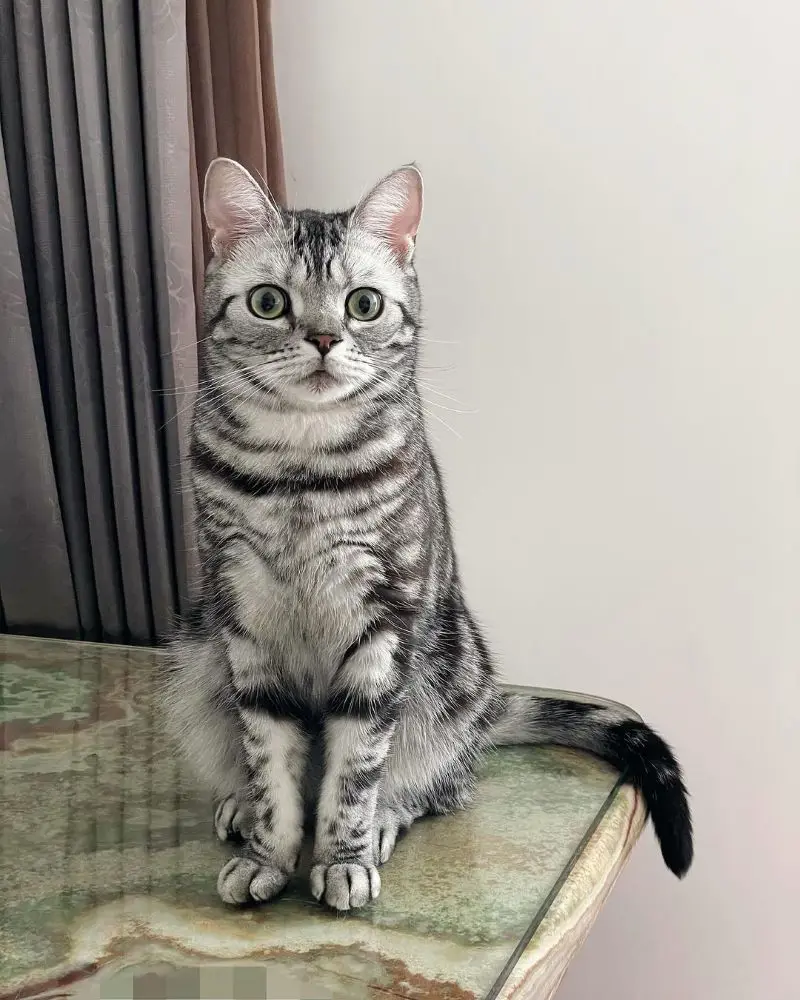
Short hair is an evolutionary trait that some cat breeds derived, primarily to adapt to changing environmental conditions. In regions with hot climates, short fur had significant survival advantages by helping cats regulate their body temperature and reducing the risk of overheating. Over time, these genetic mutations were naturally selected in these environments to keep the cat as comfortable as possible.
Short-haired cats can come in any color or pattern; they can have solid colors like black, white, gray, orange, cream, and chocolate, or combinations like bicolor (white and another color).
Moreover, frequent patterns in short-haired cats include tabby (striped, spotted, or classic swirls), tortoiseshell, and calico. These cats also feature colorpoint patterns (lighter bodies with darker extremities) and smoke coats (lighter undercoats with dark tips).
16. Long Hair
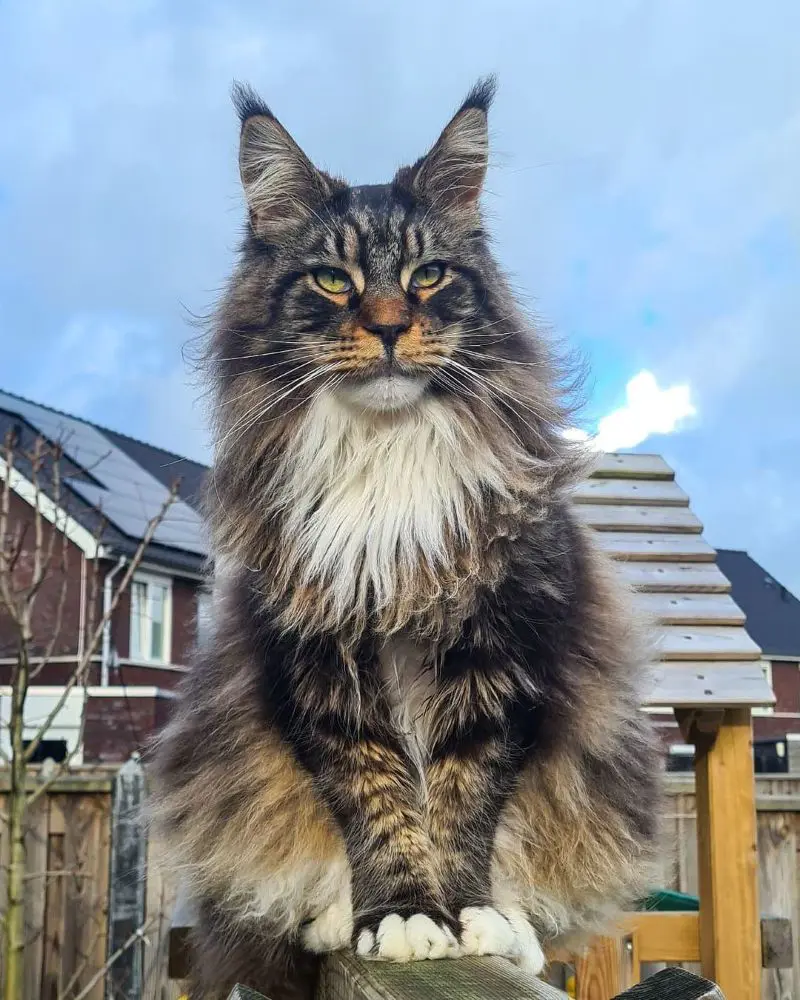
Unlike short-haired cats, some breeds developed a longer coat, especially in colder regions. Their long fur acts as a layer of insulation to avoid losing body heat.
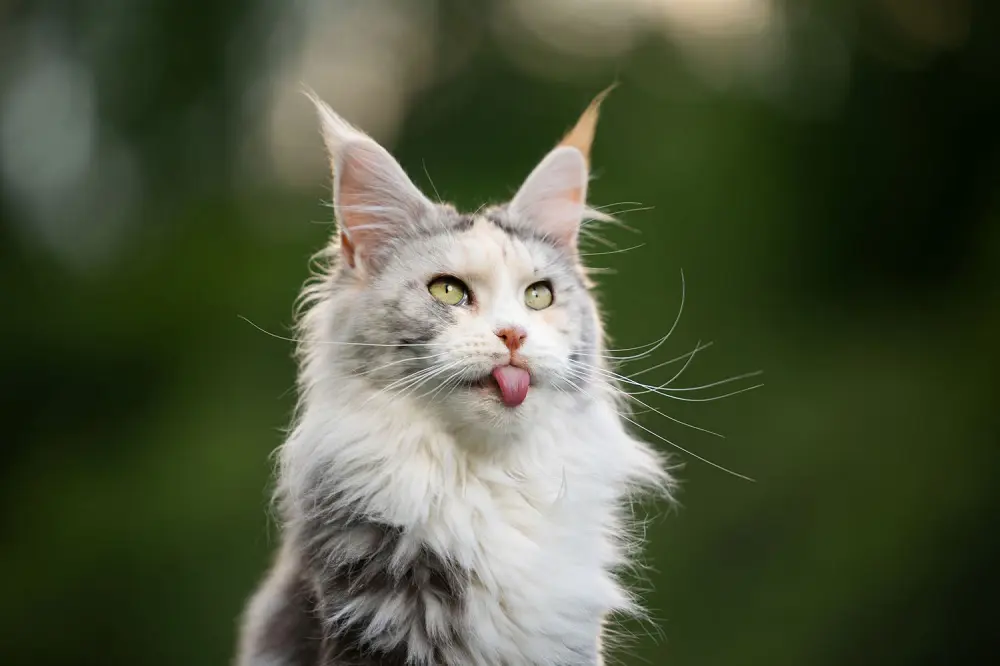
As evident in most animals from colder regions, long-haired cats, which need to survive in subtropic temperatures, often develop a lighter coat to absorb as much sunlight as possible. And, like short-haired breeds, long-haired cats are also available in a wide variety of colors and patterns; you find a long-haired cat in almost any color.
17. Single Coat
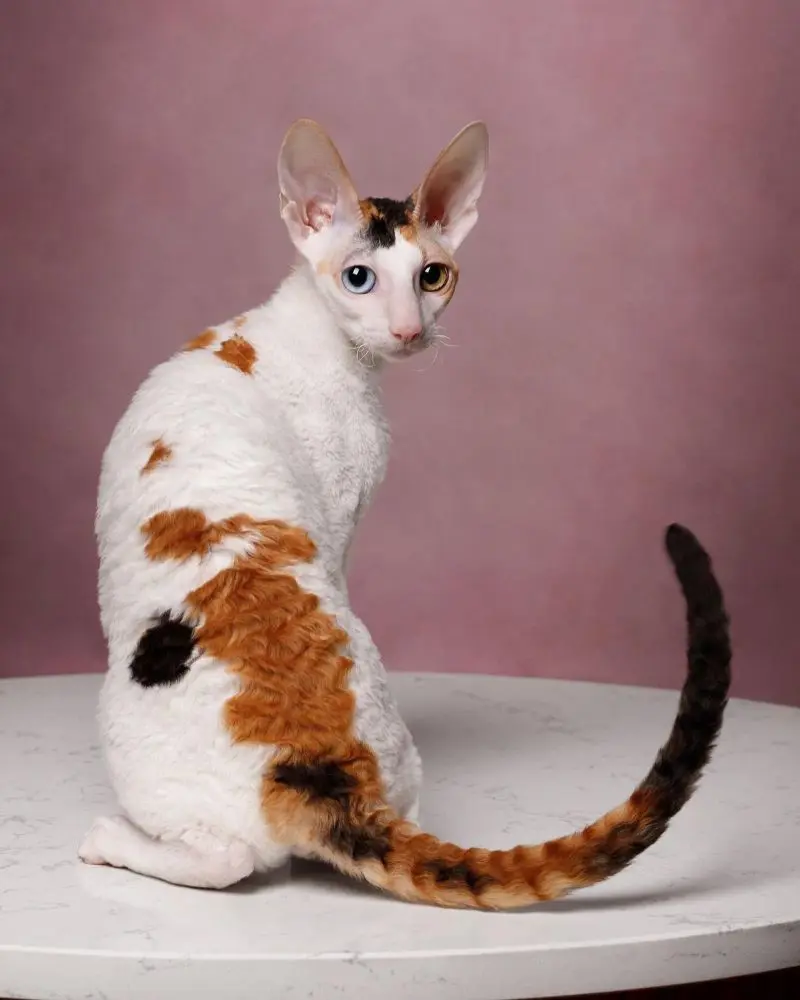
Single-coat cats possess only the top layer of hair, called the guard hairs, and a lack of a dense undercoat. Their fur is smooth and lighter compared to the thicker double-coated varieties.
Additionally, the absence of an insulating undercoat makes single-coated cats better suited to warm climates, as they are less likely to overheat. The Siamese, Oriental Shorthair, and Cornish Rex are a few breeds renowned for their signature single coat.
When it comes to color varieties, single-coated cats can come in virtually all colors and patterns, from solid black, white, or gray to intricate tabby, colorpoint, or tortoiseshell patterns. The lack of an undercoat allows their colors to appear more vibrant and their patterns to be more defined.
18. Double Coat
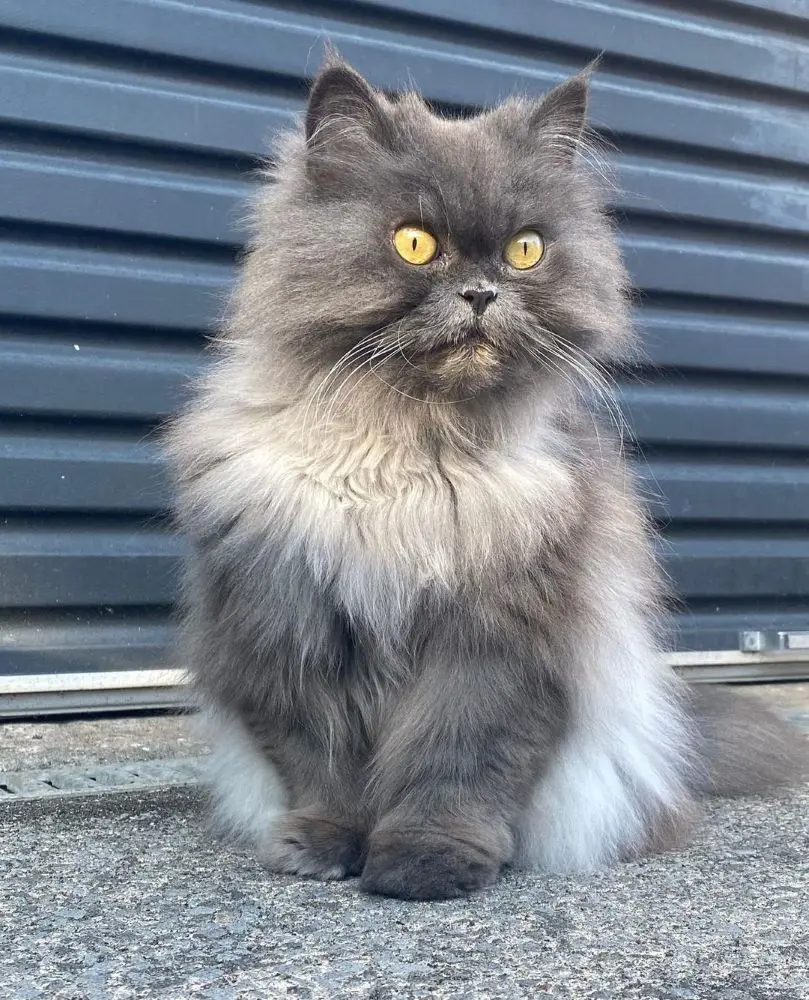
Double-coated cats consist of two distinct layers: the undercoat and the topcoat. While the soft and dense undercoat provides insulation to keep the cat warm, the topcoat, made up of longer guard hairs, offers protection from moisture, dirt, and injuries. These cats often have a more regular shedding cycle due to the seasonal need to grow or lose their undercoat for temperature regulation.
Double coats are particularly useful for cats in colder climates, as the insulating undercoat traps heat to keep them warm during harsh winters. Meanwhile, the protective topcoat repels snow and rain. These traits evolved in breeds from colder regions or breeds that spent much of their history in outdoor environments.
Double-coated cats come in a wide range of colors and patterns, some of which are solid black, white, tabby, tortoiseshell, and bicolor. Their thick coats are perfect for making these colors appear more vibrant, boosting their overall appearance.