

If you’ve ever watched your cat chase its tail, you might have found it both amusing and perplexing. Tail-chasing is a behavior that many cats exhibit, and it can be a source of endless entertainment for pet owners.
The cats may be chasing their tails either to kill their boredom or to entertain themselves. You never know, but they may also be practicing their hunting skills. Let's discuss some of the reasons why is my cat chasing their tail.
1. Curiosity
Cats are known for their curious nature and this may also be why they love playing with their tail. They may be thinking what is this long thing that keeps on moving and twitching?
The tail may seem like something worth exploring to them because of its constant movement which makes them chase after their tail. They will also use their paws and mouth to touch and bite their tails as it helps them to know more about this weird part.
If you want to drive their curiosity to something else, you can provide them with plenty of toys and objects. Create a safe and comfortable environment for them to explore.
2. Playfulness
Cats are energetic creatures, they have very playful personalities. These creatures love to get engaged and play with different things among which their tail can also be a great choice.
The cats can also be chasing their tail because of their playful nature, especially kittens and young cats. They love to touch, pull, and chase after their tails which keep on running and escaping.
Occasional tail chasing is normal and usually harmless which can show their playful and energetic nature but if this happens too often, it can be a sign that your cats suffering from boredom, anxiety, or even medical issues.
It is important to recognize whether it's normal playfulness or problematic behavior. If you think there is more than their energetic play, you should consult a veterinarian as soon as possible.
3. Boredom
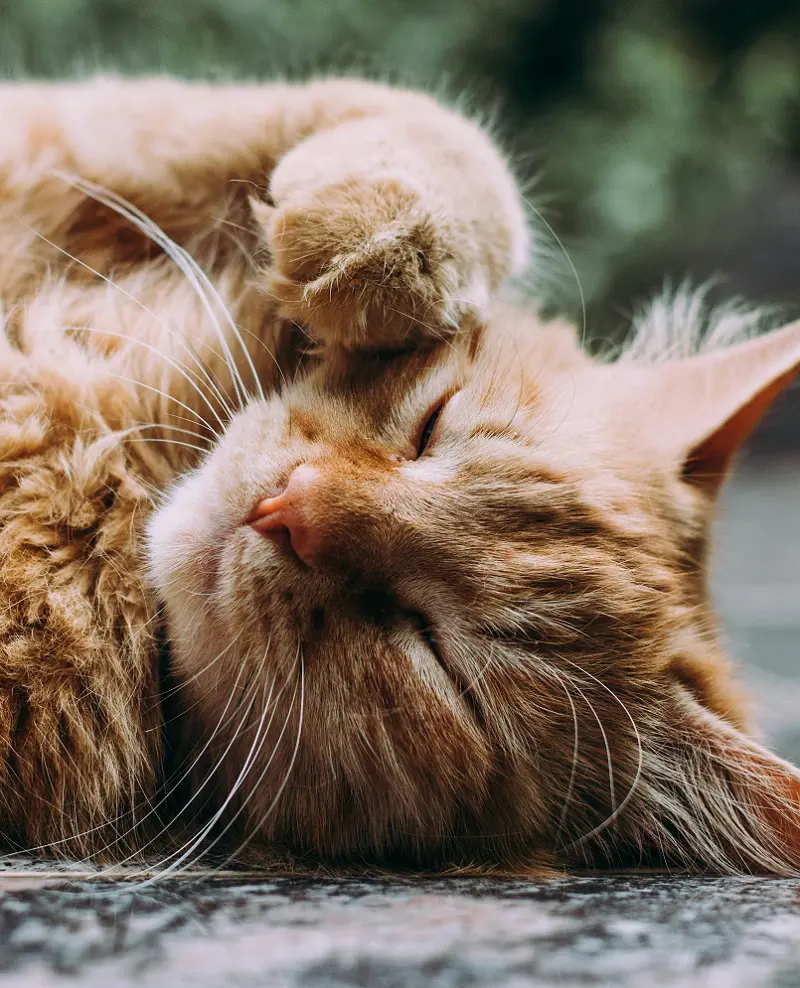
When your cats are bored and don't have anything around to play with, at that time also, your cats may chase after their tail. When bored, they tend to do something weird or unusual as it can entertain them.
Tail play can fulfill the level of insufficient physical activity for them and also bring some change to the monotonous environment. This will help them to engage in both physical and mental activity which makes them less bored.
If you feel like your cats are often playing with their tails because of this reason, then it is important to introduce them to new toys and objects in the environment. You can engage them in various activities that contain physical and mental activity. It is your duty as a pet owner.
4. Predatory Instinct
Cats being natural hunters have carried their predatory instinct for generations which is deeply rooted in their behavior. Although they typically don't use them to hunt, they still use them during their play.
Playing with their tail also helps them to fulfill their predatory instinct as they will be chasing, pouncing, and trying to capture their tails that keep running. While chasing them, the cats mimic the movements they would use in hunting small animals.
This behavior helps them to stalk, ambush, and catch their prey and also helps in fighting practice. Although domestic cats don't need it, they still continue as their instinct remains strong.
To help them with this, you can provide several toys that mimic prey like moving laser dots, small stuffed animals, etc. This can provide them with a level of satisfaction for their hunting behavior.
5. Attention Seeking
Cats are very attention-seeking animals that want you to look after them often. For this, they will do any weird or unusual behavior that turns your head towards them, among which tails chasing can also be one.
If your cat notices chasing their tails will make your attention towards them be it laughter, talking, or other physical interaction, they may continue this behavior to receive more. Since they are observant beings, they notice this quickly.
This may occur if they think they are not getting enough attention from you can are not very interactive throughout the day. They crave social engagement and this behavior can be a way for them to interact with the owners, and make them acknowledge their presence.
6. Stress

When your cats are stressed, they may like to get engaged in different activities among which this can also be one. In order to cope with their stress and anxiety, they may chase their tail and try to distract themselves.
Common stressors for your cats can be changes in the environment, the presence of new animals or people, loud noises, lack of hiding places, etc. If this behavior is linked with stress, it is important to identify and address the underlying causes over time.
Providing a calm and safe environment with lots of interactive toys can help them along with regular playtime and a consistent routine. If you feel like your cat's condition is not improving or getting worse, it is important to consult a veterinarian as soon as possible.
7. Infection
Sometimes, this behavior can also be linked with their infection, especially when they are often biting, licking, or playing with their tail. It can be because of discomfort or irritation which makes them do so in order to soothe themselves.
Bacterial or fungal infection can cause itching and irritation to them which can lead to extra attention to their tails. This can also be caused by parasites like fleas, ticks, or mites which can make them feel uncomfortable and cause skin irritation.
If you suspect that the infection is the reason for this chase, it is important to monitor their other behavior and take advice from the vet as soon as possible. They can diagnose the problem provide appropriate treatment and make your cat feel better.
8. Neurological Disorder
Neurological disorders are any kind of disorder in the nervous system that can further lead to abnormalities in the brain, spinal cord, or other nerves. This can be a major health issue for your cats.
This disorder can cause your cat to get engaged in excessive tail chase along with biting or obsessive grooming. Some of these include:
- Feline Hyperesthesia Syndrome (FHS)
- Neuropathic Pain
- Compulsive Disorder
- Brain Trauma
All these can make your cat's skin irritated and can cause abnormal sensations in their tail leading to this chase. This disease can also lead to brain infection which leads to abnormal behavior.
If your cat is showing other symptoms related to neurological disorders along with this, it is important to seek veterinary care. Timely diagnosis of this can help your cats to live a healthy and happy life.
9. Exploring Their Own Body
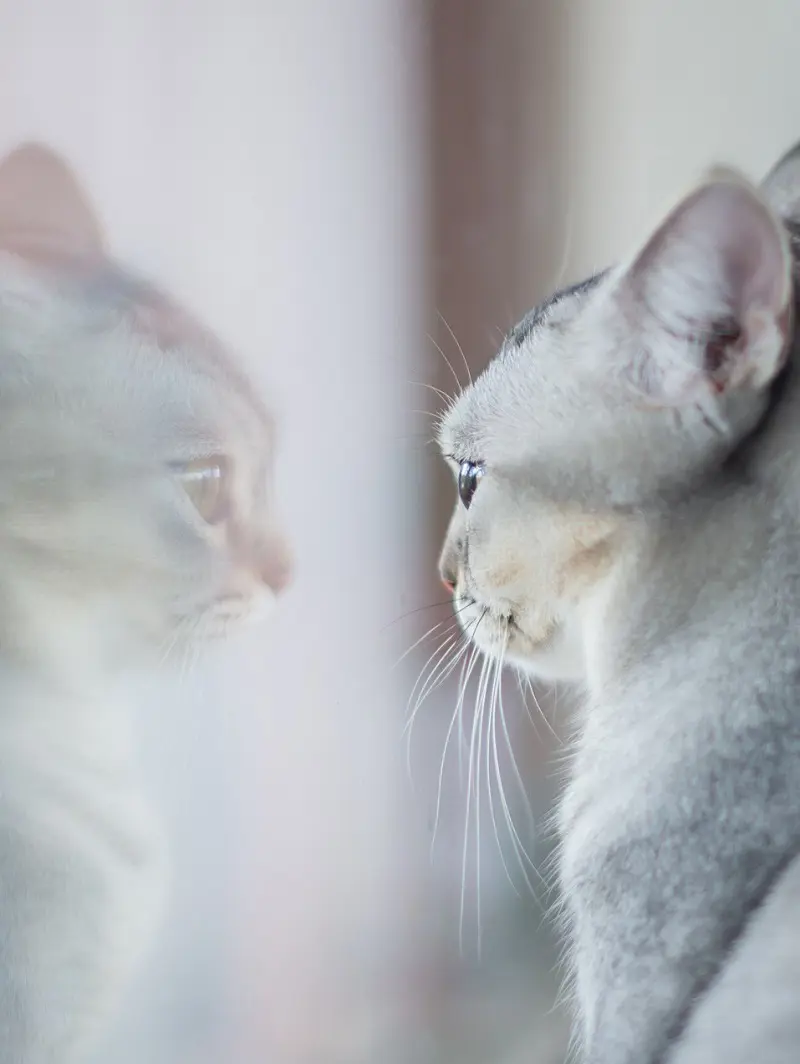
Cats especially kittens are more interested in their body and its different parts, because of which they may chase their tails. It is a normal behavior of their development and curiosity about themselves.
As they grow, they become more aware of their physical body and might notice their tail being something extra. This may make them more interested in it and play around with it.
It is a way of learning about their body parts and how they move, which is important for their overall development. It is generally a harmless behavior for their self-exploration which can help them to end their curiosity regarding this constantly moving body part.
10. Excitement
When the cats see their tail moving freely, they become more excited and want to chase after it. Sometimes, they can also play with it when they are overly delighted and vice versa.
During the time for their playtime, at that moment, they become overexcited and may chase and pounce after their tail as a sign of their happiness. Some new sights or scents can also excite them and make them pounce.
If your cats have been eagerly anticipating some treats, and when you finally bring them, then also your cat will go jumping around and try to catch their tail as they don't have any other way to show their excitement.
If these signs seem to be the cause of their chasing, it is nothing to worry about and you can also be happy for their response.
11. Lack Of Social Interaction
Cats loves social interaction and meeting new people and often love to play with them. But if they are not able to connect, at that time, they do play and chase their tail as part of their way to entertain themselves and end their loneliness.
Lack of social interaction can also affect their mental and emotional well-being, and as a self-response, they make their tail as their friend. They do so to fill the gap of not being able to interact with other beings properly.
If your cats feel neglected, it may do various activities to cope with this lack. It is important for you to notice this action as it can further lead to some serious mental health problems.
For this, spend more time with your cat, play with them from time to time, provide treats, and let them meet new people and animals. If possible, provide them with more socialization opportunities.
12. Over Energetic
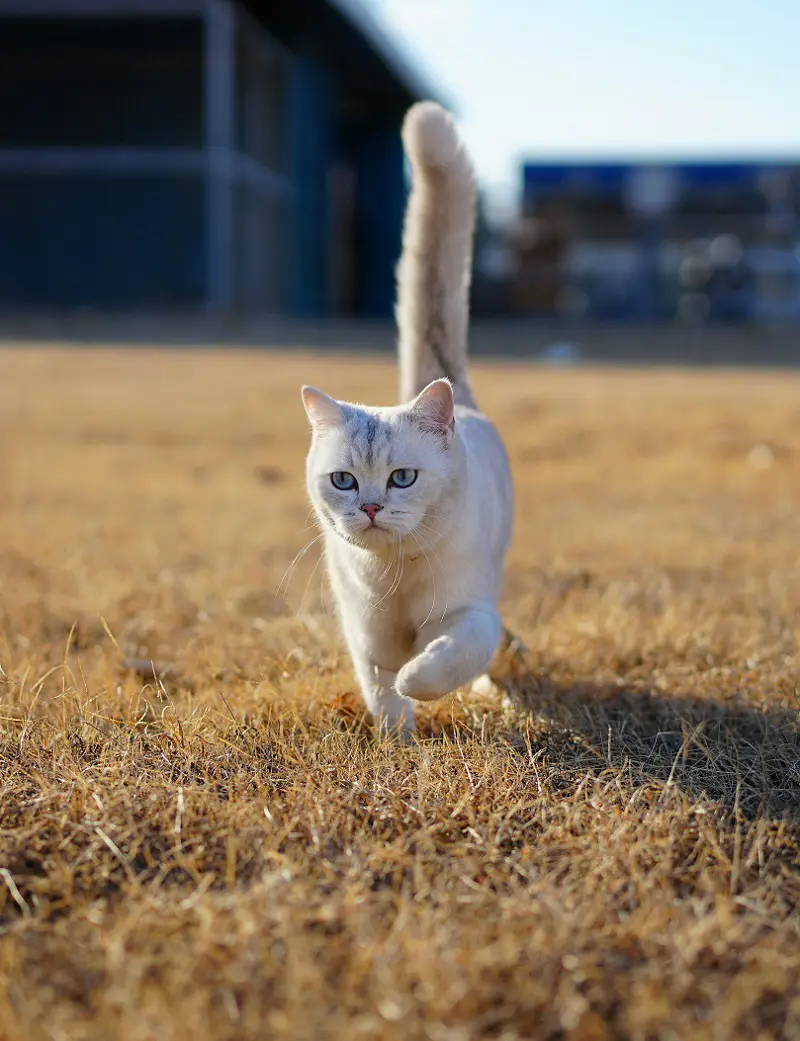
When your cats are over-energetic, they need to find something to use their energy on. For this, they might play with their tail as a way to release it.
Cats are naturally active and love to chase, play, and pounce often, but if they are unable to do so, or don't find enough opportunities, they may direct their focus towards their tail. This may help them to burn the power.
Over-energetic behavior can be the result of insufficient exercise, lack of interactive playtime, due to boredom, lack of variety or new things in their environment, and many more. Sometimes when they are after their tail because of this, they can accidentally hurt themselves.
13. Learning And Development
This can be a normal way for the cats, especially kittens, to learn and explore about themselves. This is also a normal part of their development process as it helps in body awareness, monitoring skills, social skills, and also self-soothing.
The cats can improve their physical coordination while doing so and also enhances their hunting skill. It helps in their learning and development by making them more aware of their tail, how they move, and how to respond.
They can develop their balance and coordination which is important for their overall development. This can also stimulate their brain, promoting their intelligence and problem-solving skills.
Providing them with other interactive playthings and exposing them to the new environment can also help the cats, mainly kittens to learn and develop, ensuring their healthy growth.
14. Habit
Sometimes, this action of your cats can simply be because of their habit that had been long established. It can be a routine work of them which may have been caused because of various reasons.
It may have become their habit because this action may have led to positive outcomes like getting their owner's attention, getting treats, etc. If so, they are likely to repeat this behavior and if this is normally done at the same time, they may further continue it.
If this process provides them with a different level of comfort along with self-amusement, this can slowly become their habit to soothe and entertain themselves. It is not bad but sometimes this habit can cause them physical problems like injury, aggression, etc.