

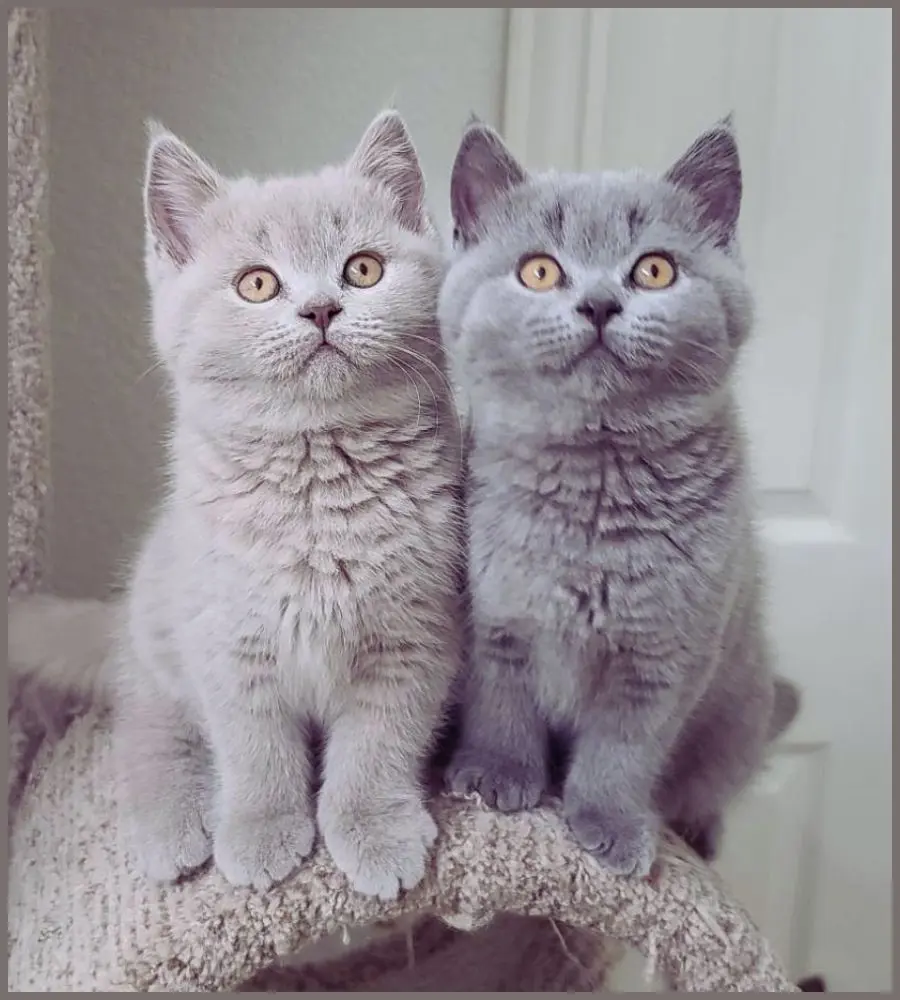
A new cat is a major choice for someone looking to become a pet parent. The matter is made more complex by the fact that there are thousands of breeds to select from.
Since British Shorthairs are more than just pets, they are often the best option for many cat parents. They are charming, regal relatives with a character that makes a lasting impression on you.
Today, we've explored 15 fascinating facts about British Shorthair cats that will warm your heart.
1. British Shorthairs Didn't Originate In Britain
Despite their name, British Shorthairs are not native to the British Isles. The breed is believed to have ancient Rome and Egypt, where it developed naturally.
Initially bred for its hunting prowess, the short British cat's ancestors were domestic cats in Rome and Egypt. Over time, these cats were brought to Britain, where they adapted and evolved into the breed we know today.
2. They Have A Muscular Appearance
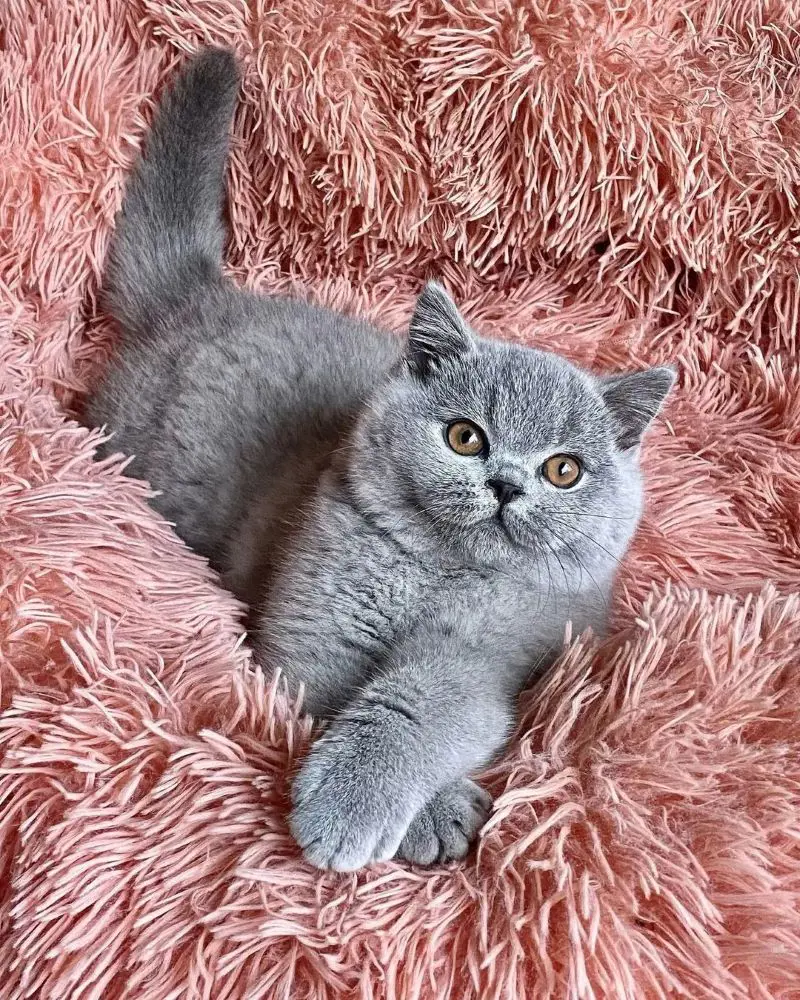
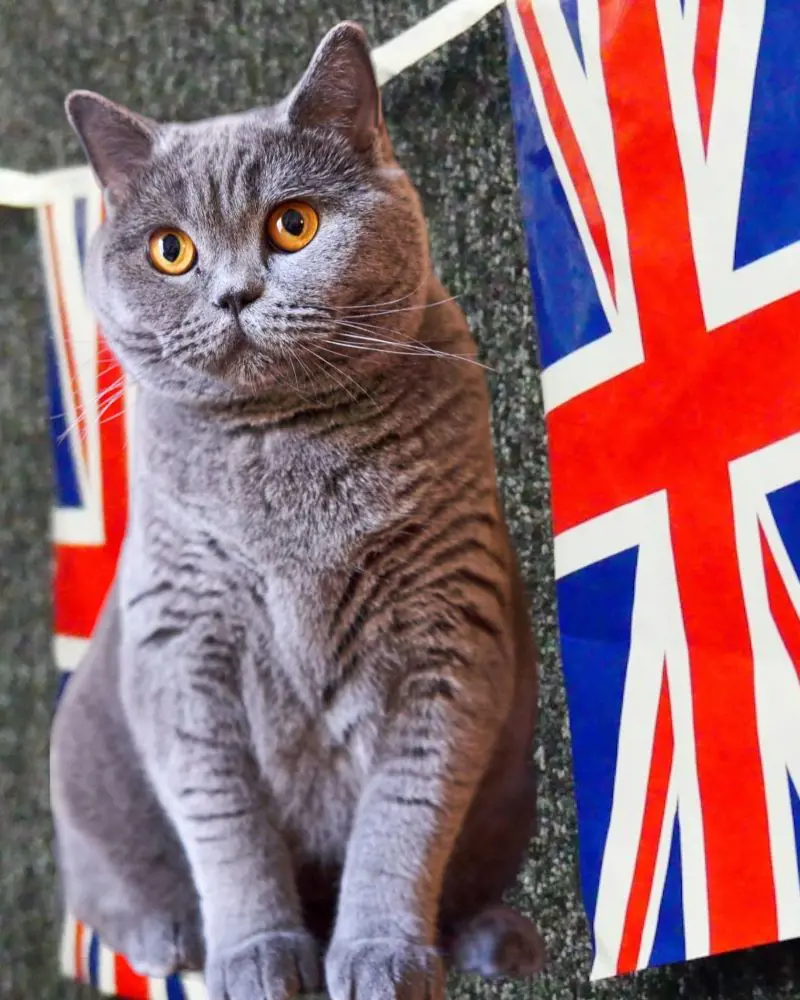
The British Shorthair has a distinctive appearance characterized by a robust and well-balanced body. The cat English shorthair presents a sense of sturdiness with its round and compact body.
Moreover, the grey cat's head exhibits a round and broad shape. Its look is further enhanced by the short, straight nose and small ears. Meanwhile, their legs are short, whereas their paws are rounded and firm.
3. They Have Beautiful Round Eyes
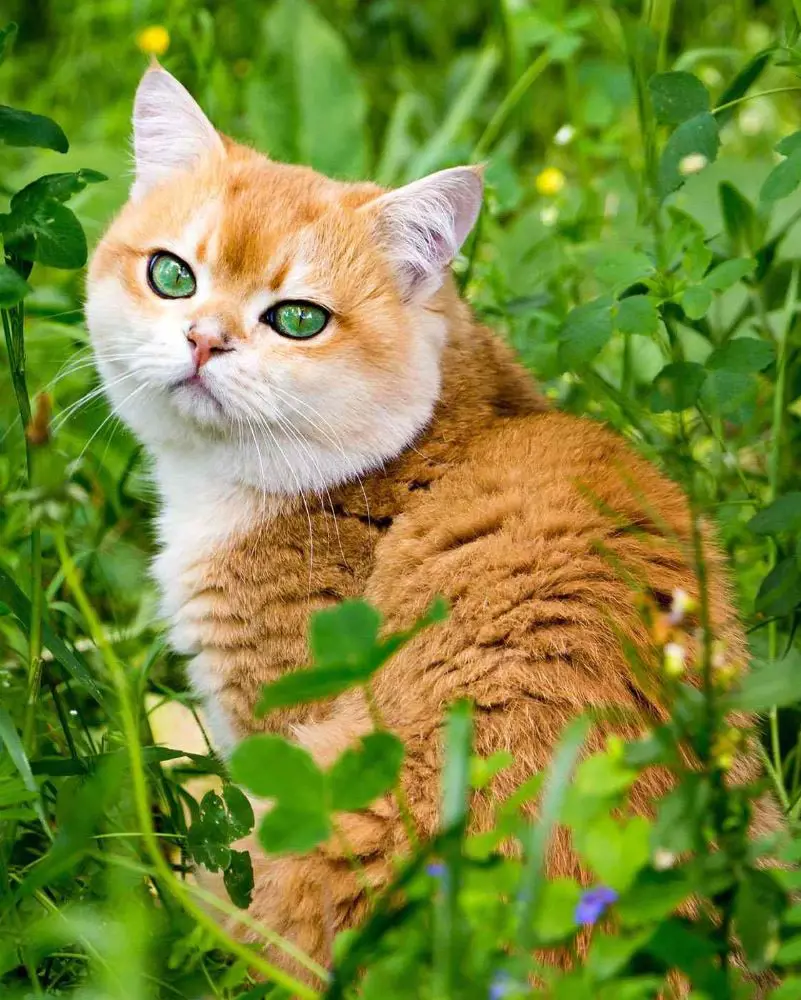
One of the major physical traits of the British Shorthair is its expressive round eyes. These eyes are large and round, set widely apart, and give the cat an alert look.
While blue is the most common eye color, the British Shorthair can also exhibit captivating hues like copper or gold.
Moreover, the breed also has to potential for pineapple-colored eyes which are caused due to the combination of blue and gold in the iris.
4. British Shorthairs Have A Double-Layered Coat
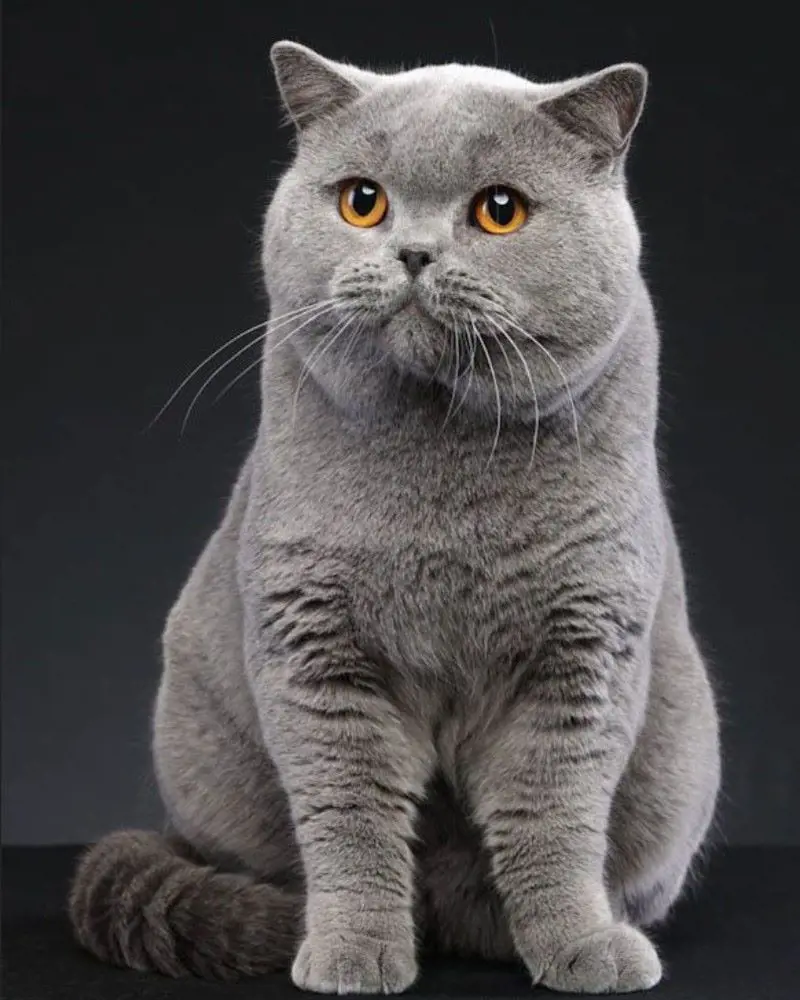
The British Shorthair has a dense and plush coat, composed of a short and straight outer layer and a dense undercoat. This double-layered coat provides insulation and contributes to the breed's rounded appearance.
The shorthair breed's coat comes in a variety of colors, including black, blue, white, red, cream, silver, golden, cinnamon, fawn, and more. The most common color patterns are black and red, blue and cream, chocolate and red, cinnamon and red, and lilac and cream.
Also, each cat's coat pattern is unique, ranging from solid colors to colorpoint, tabby, and tortoiseshell patterns.
5. They Are Medium-Sized Cats
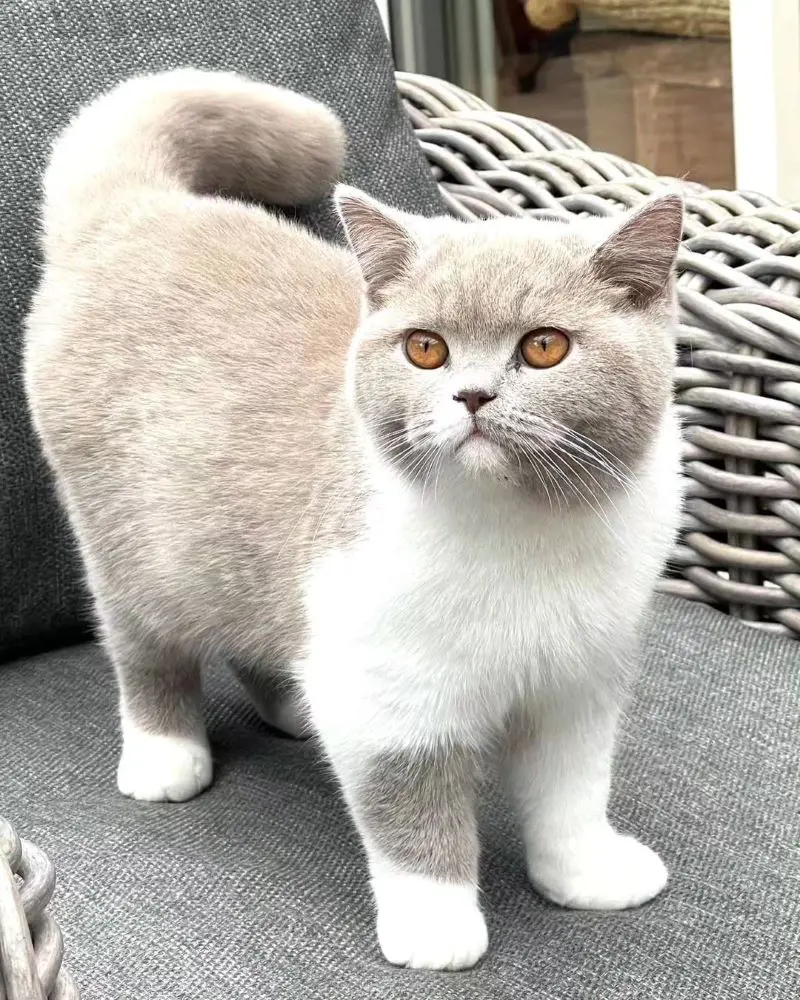
The British Shorthair is classified as a medium-sized breed, based on its physical attributes. On average, these cats reach a height of 12-14 inches at the shoulder. Their body length, excluding the tail, typically ranges from 22-25 inches.
Moreover, the British cat shorthair's tail itself is proportionate to the body, measuring about one foot in length.
Hence, in terms of weight, British Shorthairs exhibit variations between genders, with females weighing around 9-15 pounds and males slightly heavier, ranging from 11-17 pounds.
6. They Have A Friendly Personality
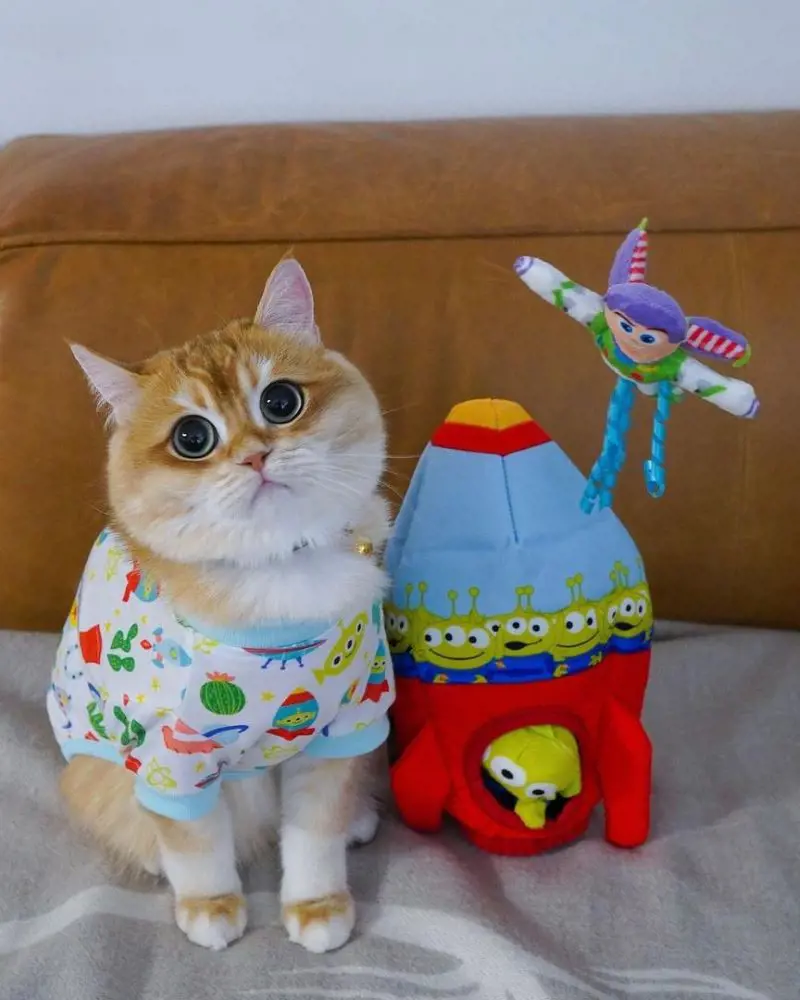
The British Shorthair is renowned for its calm and easygoing temperament. Despite its intimidating appearance, the breed has a gentle and affectionate nature.
While slightly reserved, especially in comparison to more extroverted breeds, the British Shorthair is friendly and sociable. They are not overly demanding of attention and tend to be content with both indoor and outdoor environments.
7. They Have A Long History Of Appearing In Cat Shows
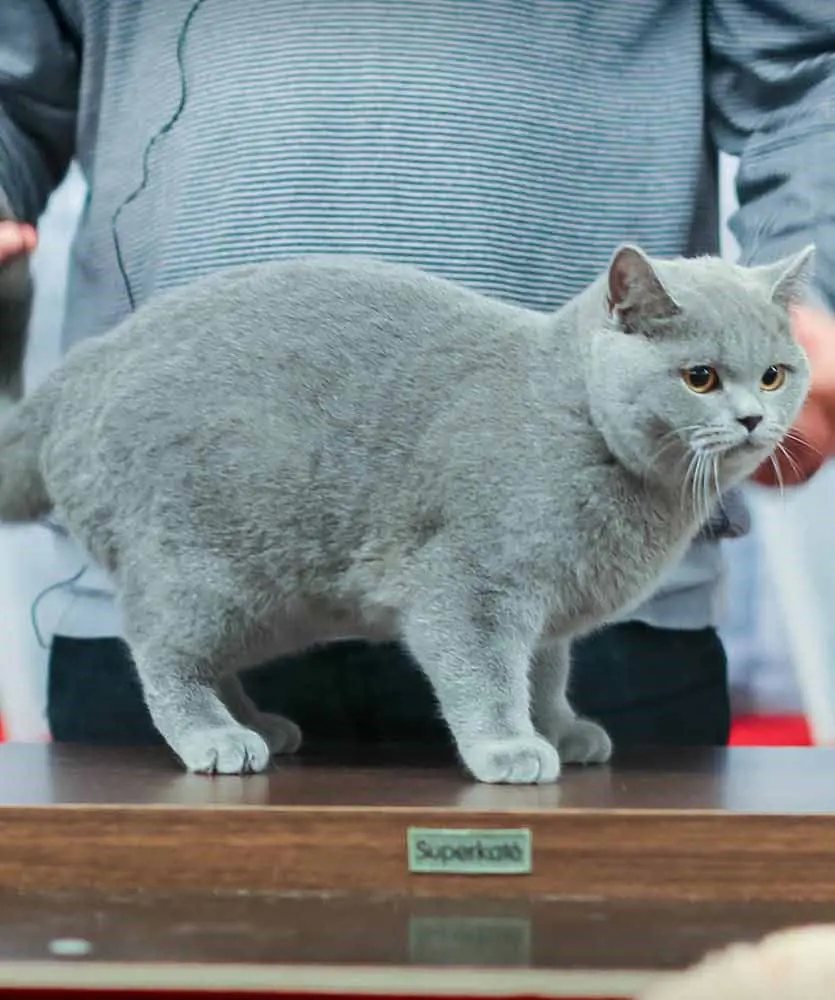
The British Shorthair has been a regular participant in cat shows since the 19th century. In 1871, the breed was showcased at the very first cat show organized by Harrison Weir.
This marked a significant moment in the history of cat shows, featuring not only British Shorthairs but also Persians and Siamese cats.
Harrison Weir considered the "Father of Cat Shows," played an important role in highlighting the breed's distinctive features and contributing to its recognition.
8. They Can Live Up To 20 Years
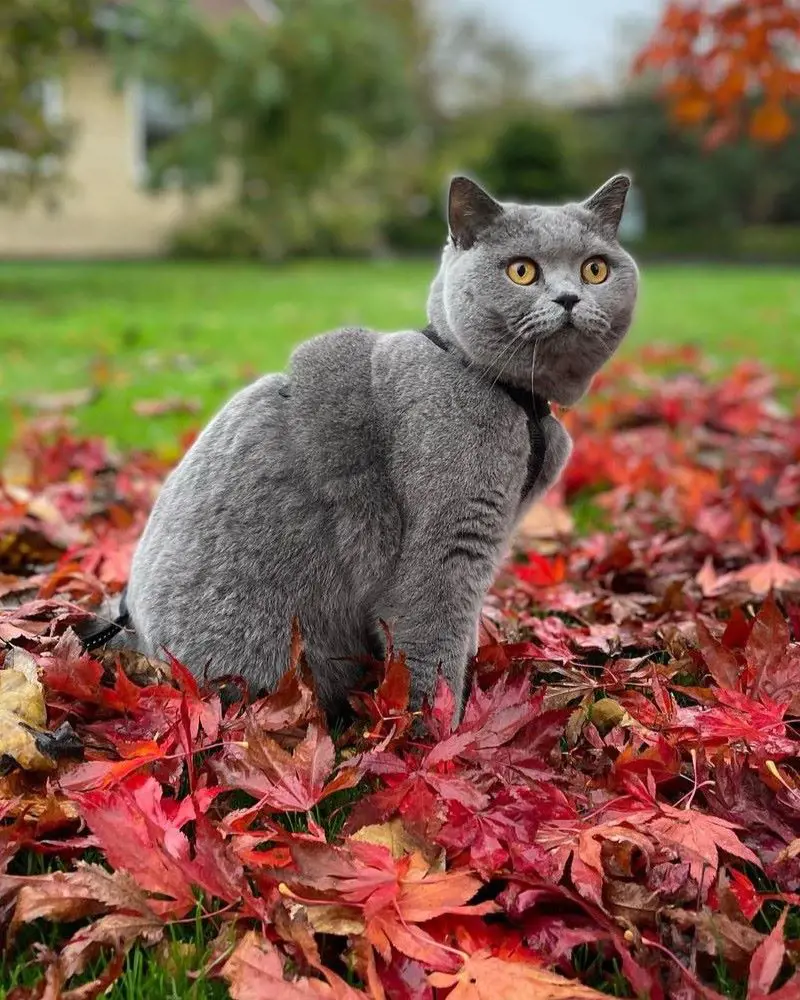
The British Shorthair cat has an average life expectancy ranging from 14-20 years, according to the UK breed committee. Meanwhile, the oldest recorded cat from this breed was an Ohio cat named Cola who lived to the age of 28.
Furthermore, the breed reaches its physical peak after 2-5 years of its birth. Proper care and attention to the unique needs of the British Shorthair can extend their lifespan, showcasing the importance of responsible pet ownership.
9. They Have A Litter Size Of 4-6 Kittens
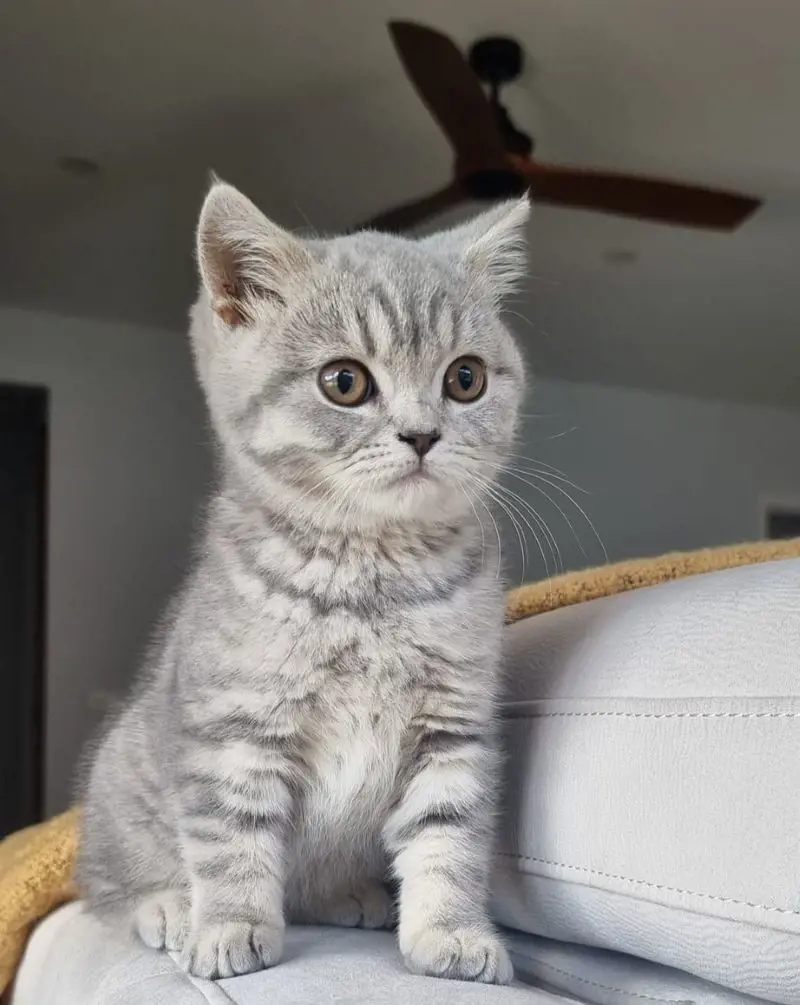
On average, a British Shorthair cat can give birth to 4-6 kittens at a time. Meanwhile, the breed's gestation period is approximately 63-68 days, like most cat breeds.
The chances of a British Shorthair kitten surviving to adulthood depend on various factors, including adequate nutrition, veterinary attention, and a supportive environment.
Thus, responsible breeding practices and vigilant care also play crucial roles in ensuring the well-being and survival of these kittens.
10. British Shorthairs Have A Low Shedding Rate
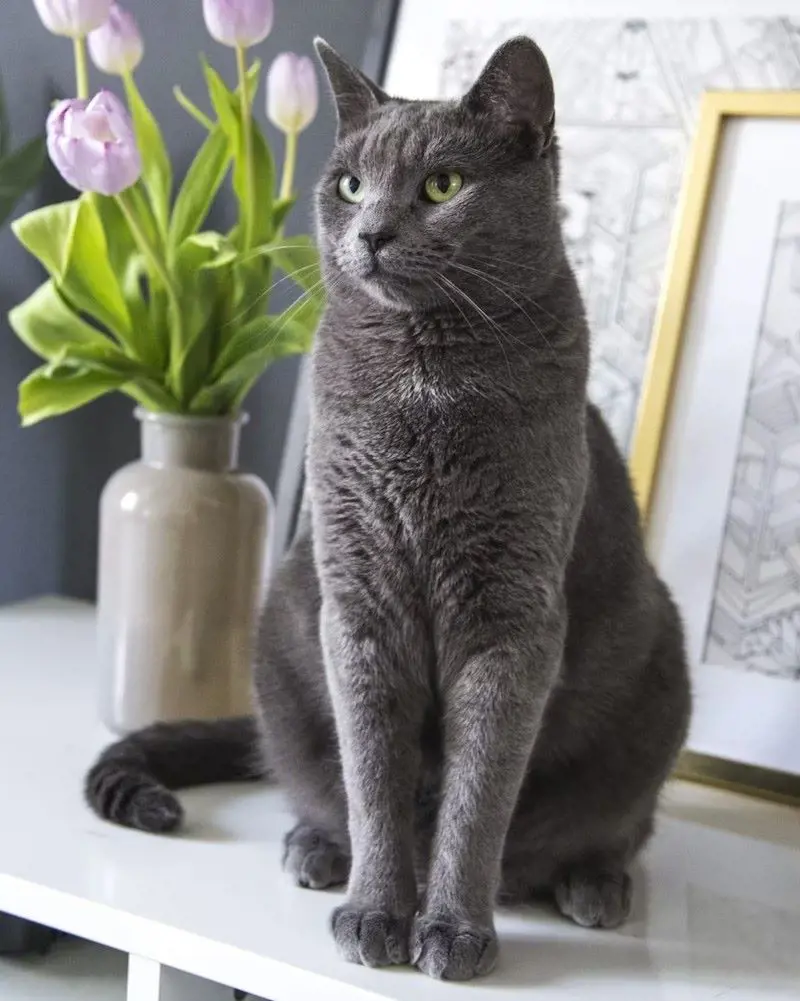
British Shorthair cats are not hypoallergenic, meaning they can trigger allergies in susceptible individuals. While they are known to be a relatively low-shedding breed, shedding still occurs.
The misconception about their hypoallergenic nature arises because, when British Shorthairs shed their hair, it may not release as many allergenic particles as some other breeds.
Nevertheless, they unsurprisingly do shed some fur, and individuals with allergies should consider this.
11. They Are Prone To Several Health Issues
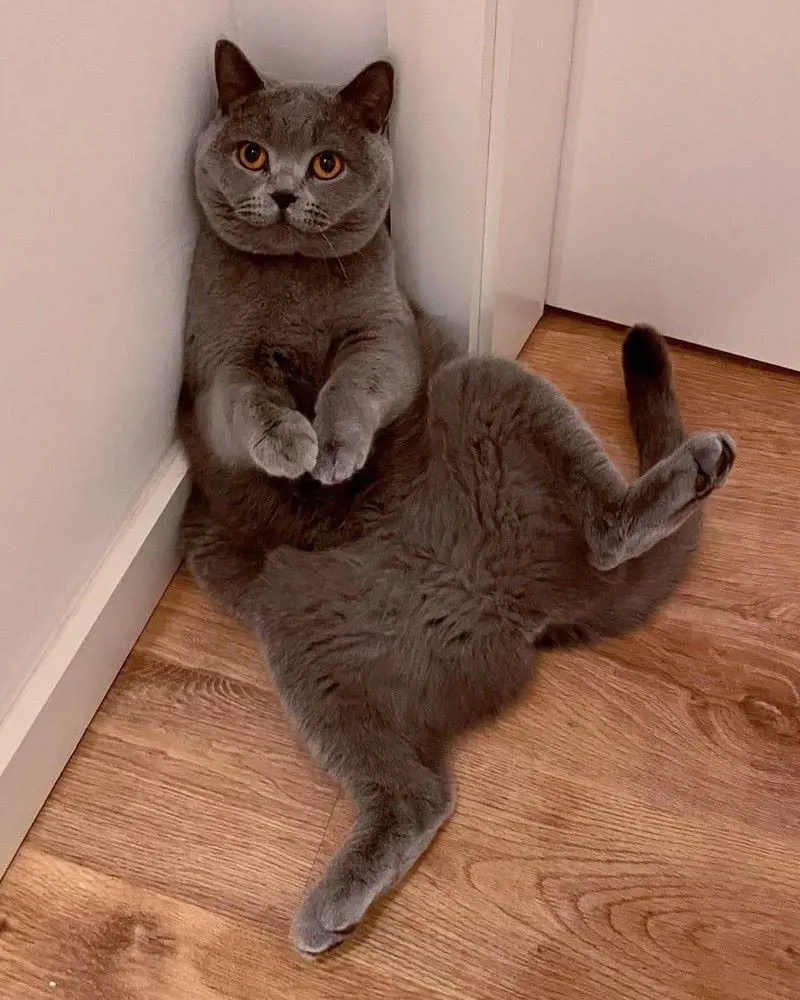
One of the main health concerns associated with the British Shorthair is heart disease as they may have a genetic predisposition to this condition. Additionally, they are prone to arterial thromboembolism (FATE), hemophilia, and feline lower urinary tract disease,
Apart from these genetic factors, the breed is also susceptible to bacterial and viral infections such as panleukopenia, calicivirus, rhinotracheitis, and rabies.
Likewise, other health problems associated with British Shorthairs include hyperthyroidism, arthritis, hypertrophic cardiomyopathy (HCM), and polycystic kidney disease (PKD).
12. They Are An Expensive Breed
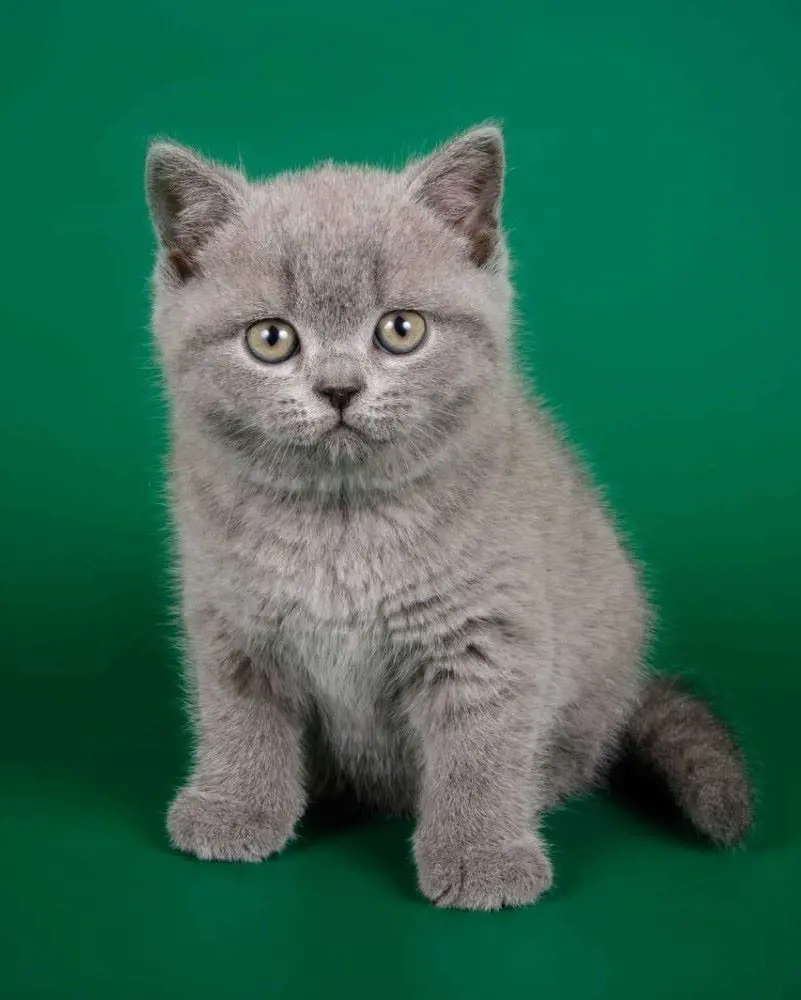
A British Shorthair kitty can cost anywhere between $900- $3,000, depending on the breed's quality and adherence to standards. Likewise, pet parents also have to incur a monthly expense of around $60 which can even go up to $300 to cover the costs of food, grooming, and veterinary care.
Despite their higher price tag, the British Shorthair cats have emerged as extremely popular in recent years. Their popularity is evident from the demand and willingness of cat enthusiasts to invest in this breed.
13. British Shorthairs Are Prominent Pop Culture Figures
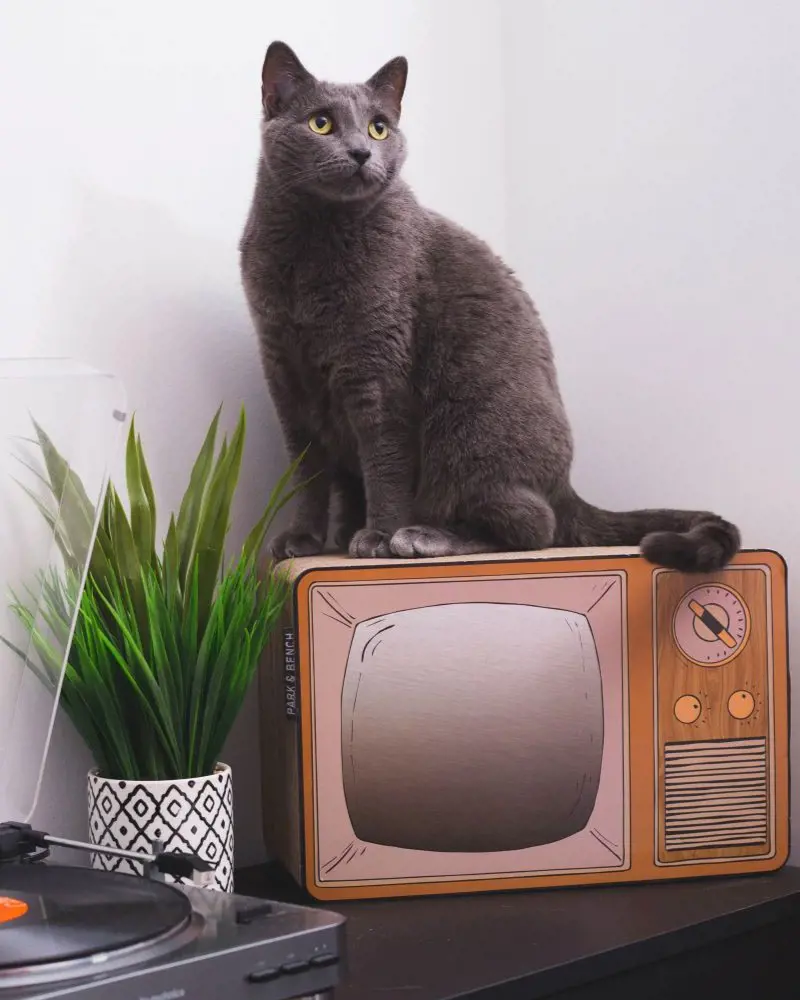
In pop culture, British Shorthairs were immortalized due to their association with the Alice in Wonderland franchise. The character of the Cheshire Cat is inspired by this renowned breed.
Moreover, the feline was selected as one of the eight cat breeds to appear on a Royal Mail-issued UK postage stamp. These cats are also incredibly popular on social media and other online platforms.
14. They Are Trainable To An Extend
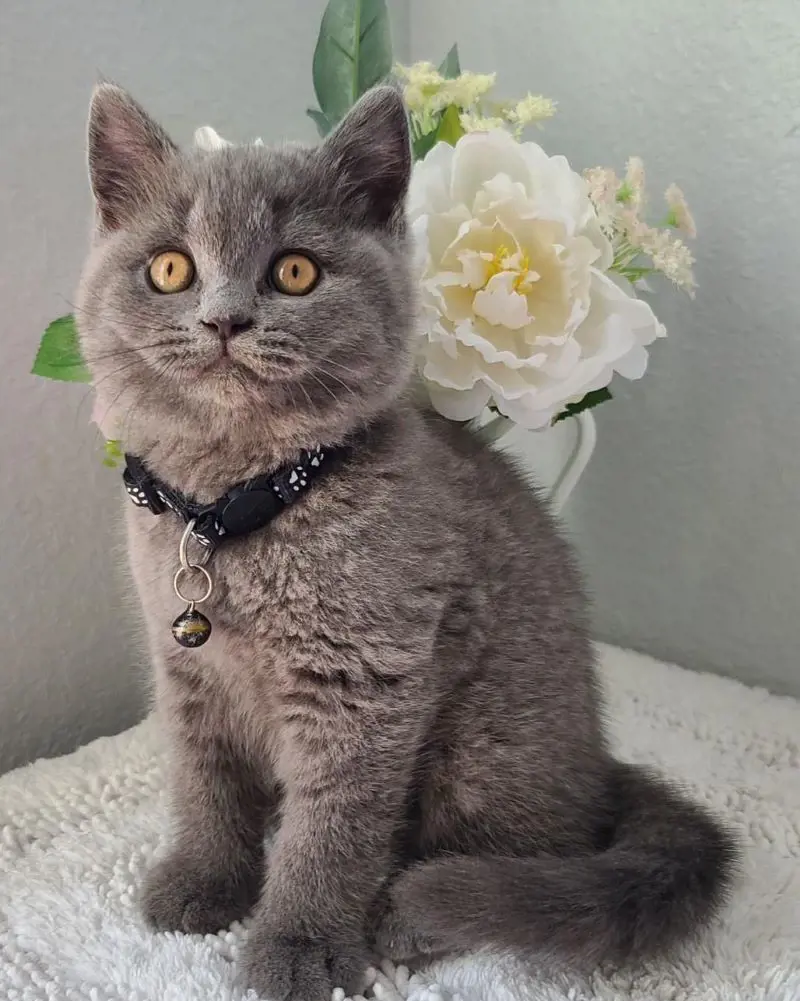
While British Shorthairs may not be as naturally inclined towards tricks as some other breeds, they are trainable with patience and positive reinforcement. Common tricks include sitting, jumping through hoops, and giving high-fives.
To keep the breed engaged, puzzles and intelligence games can be introduced during training sessions. While these cats may not perform intricate tricks like more agile breeds, their gentle and cooperative nature makes them apt for basic obedience training.
15. They Don't Like Getting Picked Up
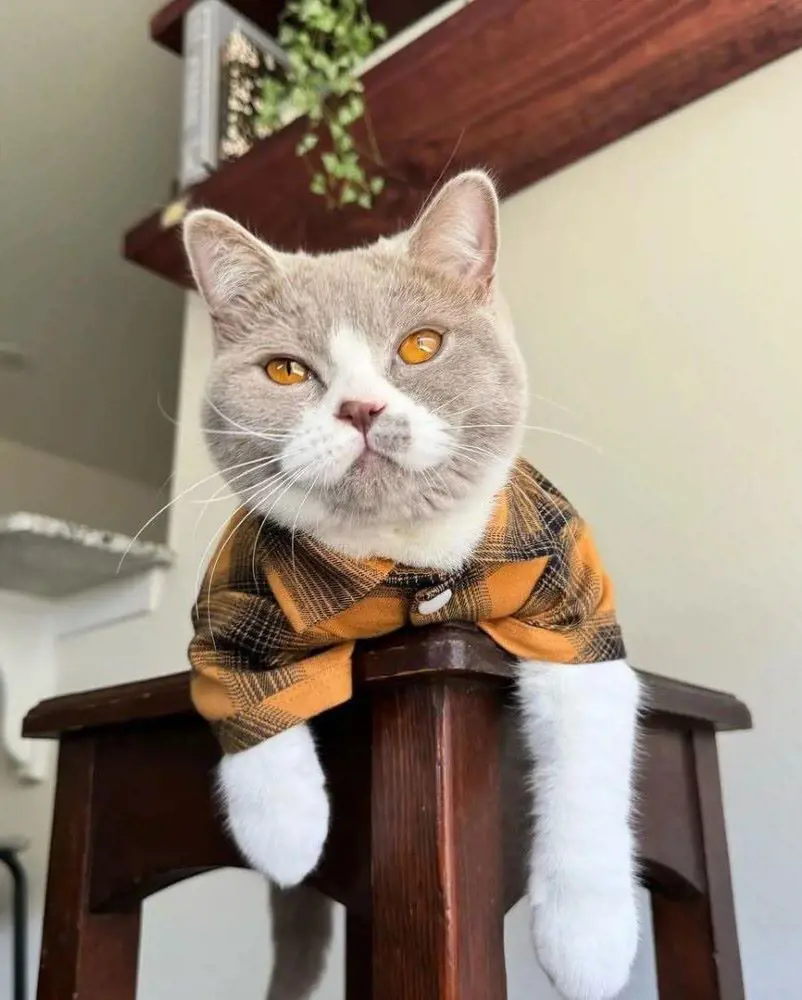
British Shorthair cats typically resist being picked up due to their independent and reserved nature. They value their personal space and may feel uncomfortable or stressed when lifted, especially if not handled gently.
Their dislike for being carried can also stem from a preference for stability, as British Shorthairs are known for their sturdy and grounded posture.
Also, the British blue-haired breed has a lower tolerance for handling compared to more affectionate breeds, making it less likely to engage in prolonged cuddling or lap-sitting.