

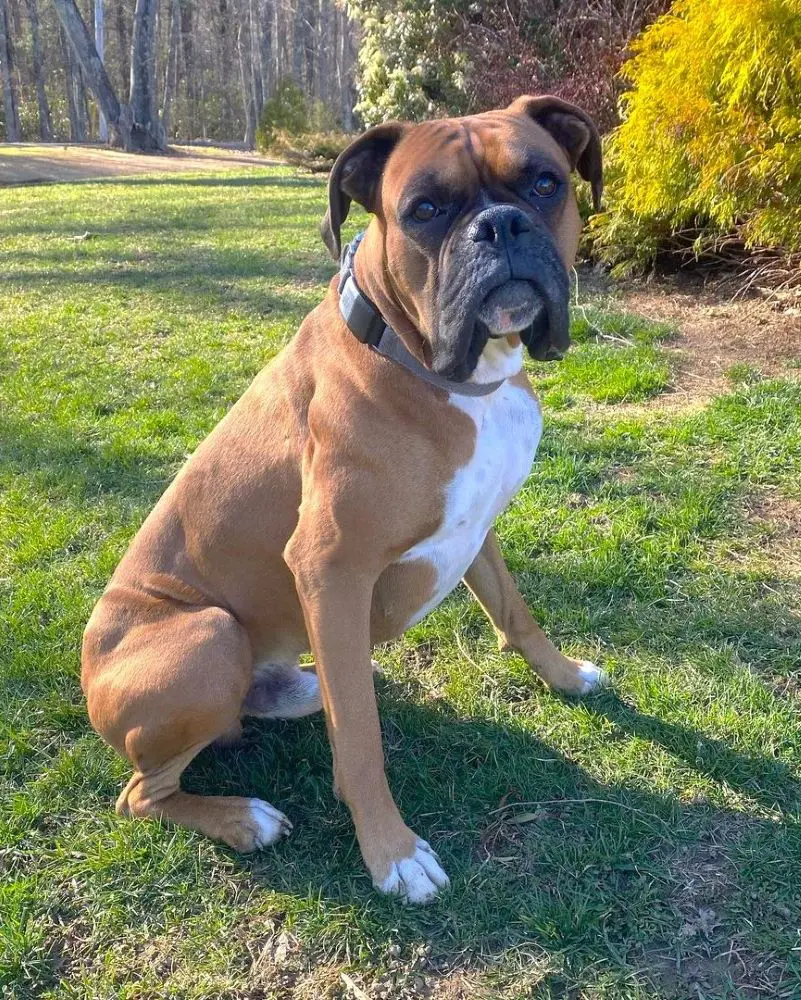
Boxer dogs are muscular canines with a playful and affectionate nature. Originally bred in Germany in the late 19th century, Boxers were used for hunting large games, guarding, and working roles due to their strength and intelligence.
Over time, their friendly and loyal disposition made them popular as household pets. Their ability to bond closely with families, along with their protective instincts and playful energy, contributed to their transition from working dogs to beloved family companions.
Boxer Dog Physical Characteristics
- Size: Medium to Large
- Height: 21.5-25 inches (55-63 cm)
- Weight: 60-80 lbs. (27-36 kg)
- Coat Type: Short, Smooth, and Close-lying
- Coat Colors: Fawn, Brindle, with or without White Markings
- Bite Force: Approximately 230 PSI
- Average Lifespan: 10-12 years
Boxers are known for their muscular, square build, and athletic appearance. They have a distinct head with a broad, blunt muzzle, strong jaws, and an alert expression. The muzzle's length is about one-third the length of the head, creating a balanced look.
While the ears are cropped and stand erect, natural floppy ears are also common. Likewise, the Boxer's coat is also a major factor behind its popularity as a household pet. Their low-maintenance coat not only looks elegant but also feels soft and smooth to the touch.
Temperament And Personality
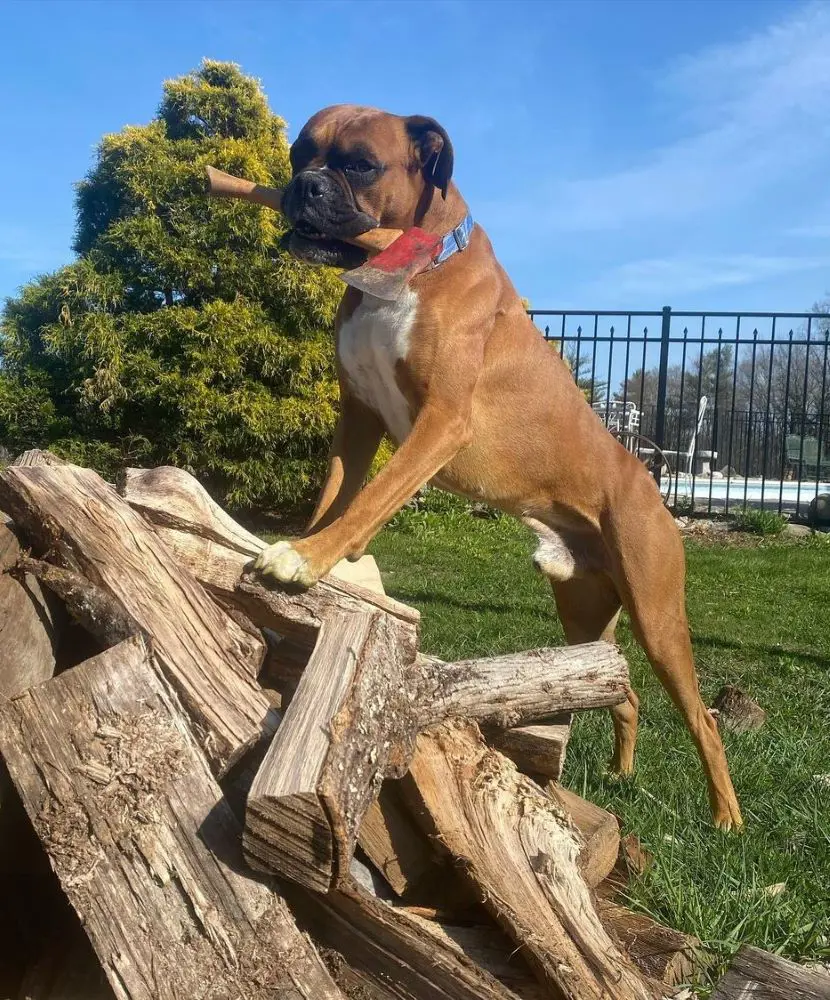
Boxers are excellent family dogs due to their playful, energetic, and affectionate nature. Their intelligence and sociable personalities make them tough challengers in obedience and agility activities.
Despite their robust and muscular appearance, Boxers have a gentle and patient demeanor, especially with kids and other pets. Their boundless energy and enthusiasm for life make them a joy to be around.
Intelligence
These canines are quick to learn new commands and tricks. Their intelligence makes them responsive to training, provided it is consistent and positive. These dogs enjoy mental challenges and thrive in environments where their minds are engaged.
This intelligence also means they can sometimes be a bit stubborn, requiring patience and persistence from their owners. Their problem-solving abilities and keen sense of awareness make them excellent watchdogs, always alert to their surroundings.
Affectionate
Boxers are empathic creatures, capable of forming strong bonds with their families. They love to be around their humans, often seeking physical closeness and attention.
This breed is known for its loyalty and deep sense of attachment, making them excellent companions. They are gentle and loving, often displaying their affection through playful behavior and cuddling. This affectionate demeanor extends to all family members, especially children.
Compatibility To Children And Other Pets
Boxers are patient and tolerant with kids and other pets if socialized from an early age. Their protective instinct also means they will look out for the well-being of the children in the household. They can also get along well with other dogs and pets in a household like other dogs, cats, hamsters, and more.
Protective
Showing natural protective instincts, these dogs are always vigilant and ready to defend their families. Their strong build and alertness make them excellent watchdogs, capable of sensing and reacting to potential threats. This protective instinct is balanced by their intelligence, ensuring they distinguish between a real threat and a harmless situation.
While they are friendly and social, their loyalty and protective nature mean they will not hesitate to act if they sense danger, making them reliable guardians.
Energetic
The breed boxer requires regular exercise to keep them physically and mentally stimulated. Activities like running, playing fetch, and agility training are excellent ways to channel their energy.
Without sufficient exercise, Boxers can become bored and develop behavioral issues. Their energetic nature makes them great companions for active families and individuals who enjoy outdoor activities.
What Foods Do Boxers Eat
These mastiff-type dogs are omnivorous, enjoying a balanced diet that includes both meats and plants. Their dietary needs are tailored to support their high energy levels and muscular build. A well-rounded diet is crucial to get the essential nutrients required for optimal health and performance.
Boxers need a diet rich in proteins for muscle maintenance and growth, fats for energy and skin health, and carbohydrates for sustained energy. Similarly, vitamins and minerals play vital roles in maintaining bone health, immune function, and overall vitality.
Carbohydrates and antioxidants also constitute a notable part of their diet. While the former provides fiber for digestive health, the latter is considered significant for immune function.
Key Nutrients and Food Sources:
- Protein: Chicken, beef, fish, eggs
- Healthy Fats: Fish oil, flaxseed, chicken fat
- Carbohydrates: Brown rice, sweet potatoes, oats
- Vitamins: Carrots, spinach, blueberries
- Minerals: Broccoli, pumpkin, kelp
- Fiber: Pumpkin, apples, green beans
Feeding Schedule And Portion Size
Maintain a strict routine to effectively regulate your pet's feeding habits. Boxers are prone to obesity, which can lead to joint problems, heart disease, and diabetes. Overfeeding or providing nutrient-poor foods can aggravate these risks and lead to malnutrition, digestive issues, and food allergies.
The average feeding schedule and portion size are discussed below:
Puppy (up to 6 months old)
- 3-4 meals per day.
- Portion Size: 1/2 to 1 cup of high-quality food per meal.
Adolescent (6 months to 1 year old):
- 2-3 meals per day.
- Portion Size: 1 to 1.5 cups per meal.
Adults (1 to 7 years old):
- 1-2 meals per day.
- Portion Size: 1.5 to 2.5 cups per day, divided into meals.
Senior (7 years and older):
- 1-2 meals per day.
- Portion Size: 1 to 2 cups of senior dog food per day, divided into meals.
Boxer Dog Grooming
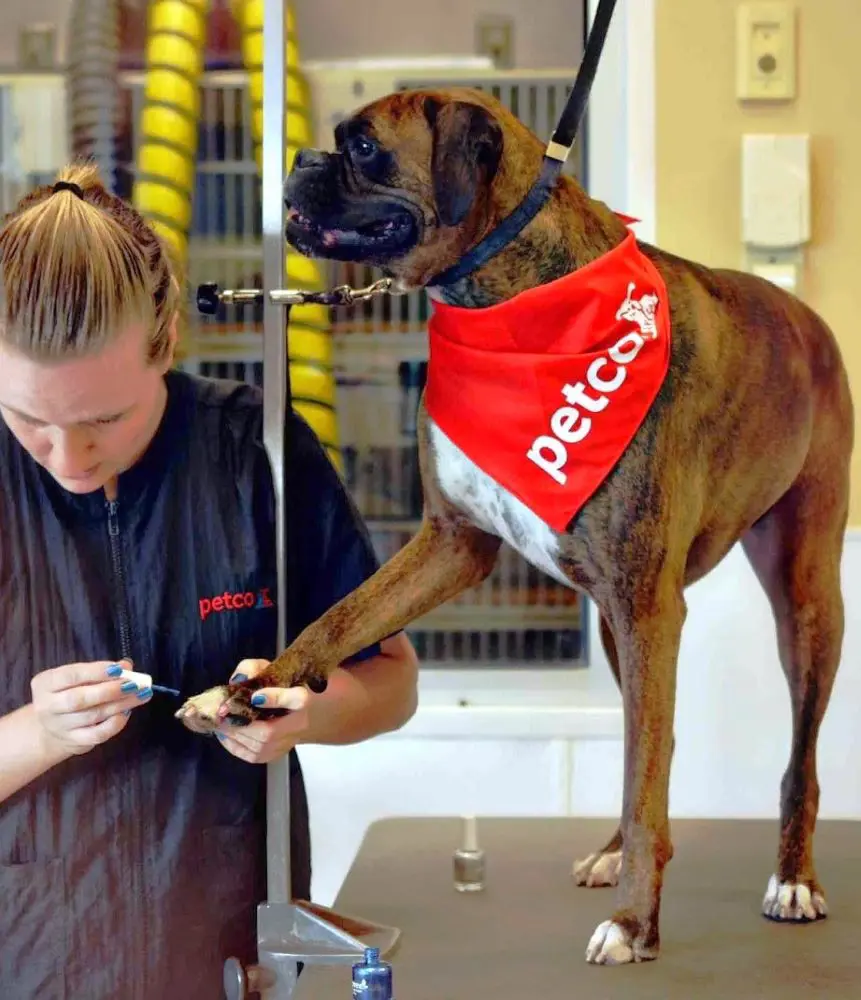
The Boxer's short and smooth coats are relatively easy to take care of and groom. Regular grooming helps keep their coat healthy, reduces shedding, and check for any skin issues or parasites.
Gently brush your furry friend's coat once a week using a rubber curry brush or a bristle brush to remove loose hair and dirt. Give them occasional baths, around once every 4-6 weeks, unless they get particularly dirty.
Besides brushing, their grooming routine includes regular nail trimming and ear cleaning. Similarly, dental care is also a crucial part of their care routine. Brush their teeth 2-3 times a week using a dog-specific toothbrush and toothpaste. Dental chews and professional cleanings are also beneficial.
Additional Grooming Tips:
- Regularly clean the wrinkles on the Boxer’s face to prevent dirt and moisture buildup.
- Moisturize paw pads if they appear dry or cracked to keep them soft and prevent discomfort.
- Remove tear stains and debris by gently wiping around your pet's eyes.
- Inspect the coat for ticks, fleas, and other parasites, especially after outdoor activities.
Grooming Mistakes To Avoid
- Bathing your Boxer too frequently can strip their coat of natural oils, leading to dry skin and irritation.
- Using human shampoos or conditioners can harm their skin and coat.
- Failing to thoroughly dry their ears after cleaning or swimming can create a damp environment that promotes ear infections.
- Unadjusted grooming practices during seasonal shedding can cause excessive loose hair around the house.
- Relying solely on brushing and neglecting dental chews can miss out on an effective way to maintain dental health and reduce plaque buildup.
Exercise And Activities

Exercise is a crucial part of maintaining a Boxer's physical and mental health. Regular exercise helps prevent obesity, supports cardiovascular health, and curbs behavioral issues stemming from boredom.
For high-energy dogs, boxers need at least 60-90 minutes of exercise daily. Establish a consistent routine that includes daily walks or runs lasting 30-60 minutes. Brisk walks or jogs not only provide physical exercise but also mental stimulation as they explore their surroundings. Vary the routes to keep the experience engaging.
Additionally, exercise needs can also be set for playtime sessions, such as fetch or tug-of-war, for an additional 30 minutes to an hour. For the safety of your pet, perform these activities in a yard or park, where your companion can have adequate space to run and play freely. Including agility training and interactive toys can further challenge their intelligence and energy levels, ensuring a well-rounded exercise regimen.
Boxer Dog Training Regimen
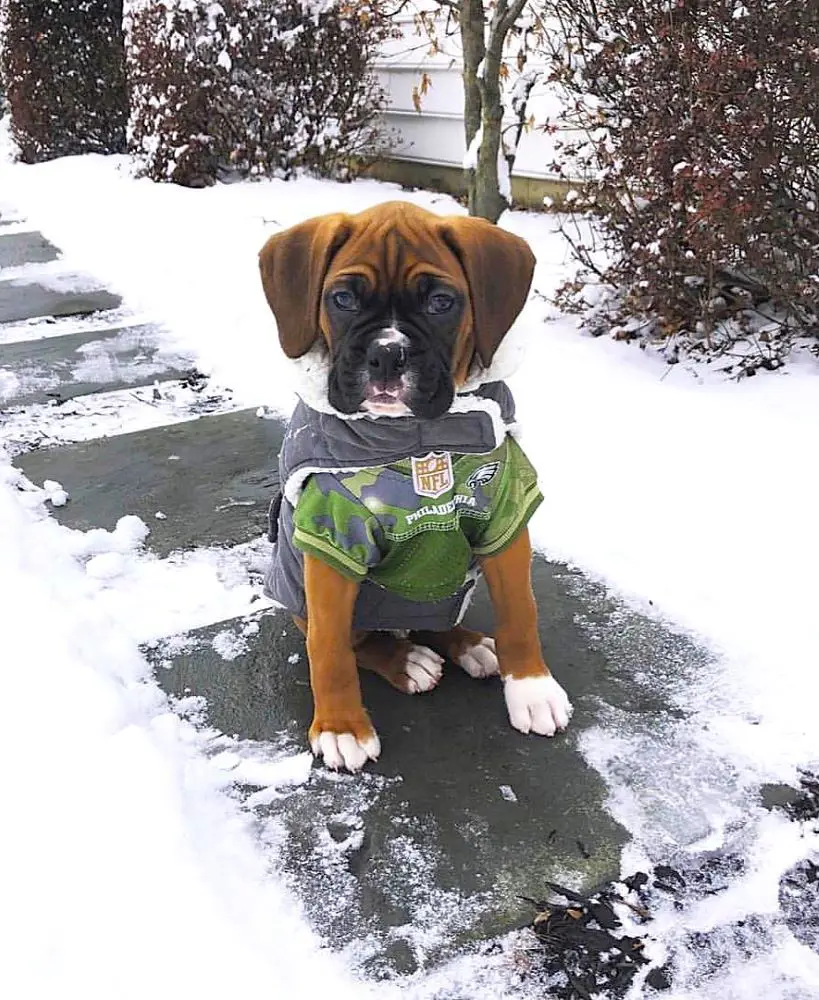
Boxer's intelligence and curious nature make it a highly trainable breed. Training should start as early as eight weeks old to establish good behavior patterns and socialization.
The clicker technique is considered one of the most effective techniques for teaching new commands to your canine pal. This form of positive reinforcement involves using a small device that makes a clicking sound to mark the desired behavior, followed by a treat. This method helps Boxers quickly associate clicks with positive actions.
Given their strong learning capability and enthusiasm for training, these dogs can learn up to 40 commands and tricks. Likewise, they are capable of understanding 165 to 250 words with proper training.
How To Train Your Boxer
Follow these steps for a smooth commencement and progression to train your dog breed boxer:
1. Start with Basic Commands
Begin with essential commands like sit, stay, and come. Use the clicker to mark the desired behavior and immediately reward it with a treat. Keep sessions short (5-10 minutes) to maintain your the dog's focus. Consistency and patience are key, as repetition helps reinforce learning.
2. Socialization
Expose your Boxer to different environments, people, and other animals from an early age. This helps them become well-adjusted and reduces anxiety or aggression. Gradually increase the complexity of social settings, starting with controlled environments and progressing to busier areas.
3. Leash Training
Introduce your Boxer to walking on a leash early. Start indoors or in a fenced yard, allowing them to get used to the leash. Reward them for walking beside you without pulling. Cautiously extend the duration and complexity of the walks.
4. Advanced Commands and Tricks
Once basic commands are mastered, introduce more complex commands and tricks like rollover, fetch, and agility exercises. Use the same clicker technique to mark and reward successful attempts. Keep training fun and varied to maintain your Boxer interest and enthusiasm.
5. Behavioral Training
Address any behavioral issues such as jumping, chewing, or barking with targeted training. Use redirection techniques, such as offering a toy for chewing or a command for jumping. Reward positive behavior and consistently reinforce boundaries to correct unwanted actions.
6. Regular Training Sessions
Maintain regular training sessions throughout your Boxer life. This keeps their skills sharp and reinforces good behavior. Incorporate training into daily routines and continue to challenge your furry friend with new commands and activities to keep their mind and body active.
Diseases And Health Issues
Like most dog breeds, Boxers are resilient to certain ailments but are prone to specific health issues. They are immune against cold weather due to their short coats but are vulnerable to heat-related problems. Common health concerns include hip dysplasia, heart conditions like cardiomyopathy, and gastrointestinal issues such as bloat.
Ideally, you should hire veterinarian services at least once a year for comprehensive examinations, vaccinations, and preventive care. Vets play a crucial role in identifying early signs of diseases through physical exams, blood tests, and screenings, undertaking prompt treatment and management of potential health risks.
Some common diseases and health disorders in Boxers include:
1. Cardiomyopathy
Cardiomyopathy refers to diseases of the heart muscle that impair its ability to pump blood effectively. Boxers are susceptible to a specific type known as Boxer cardiomyopathy or arrhythmogenic right ventricular cardiomyopathy (ARVC).
Signs may include lethargy, exercise intolerance, coughing, and fainting. Meanwhile, diagnosis involves cardiac tests like echocardiography and electrocardiography.
Treatment focuses on managing symptoms with medications like diuretics, ACE inhibitors, and anti-arrhythmic drugs. Pet owners should also consult a veterinary cardiologist for dietary changes and regular monitoring.
2. Hypothyroidism
This condition occurs when the thyroid gland can't produce sufficient hormones needed for bodily metabolism. Hypothyroidism often results in weight gain, lethargy, hair loss, and skin issues.
At the moment, the disorder doesn't have a cure. However. it can be managed through lifelong thyroid hormone supplementation.
3. Cancer
Boxers are predisposed to certain types of cancers, including mast cell tumors, lymphoma, and melanoma. Symptoms depend on the type and location of the cancer but may include lumps, swelling, weight loss, and changes in behavior.
Likewise, treatment also varies depending on the type of cancer. Normally, treatment options include surgery, chemotherapy, radiation therapy, or a combination of all.
4. Hip Dysplasia
This genetic condition occurs when the hip joint doesn't develop properly, leading to joint instability and arthritis. Boxers are prone to this condition due to their size and genetics.
Common symptoms include limping, difficulty rising, and decreased activity. Whereas treatment constitutes medication, weight management, physical therapy, or surgery to alleviate pain and improve mobility.
5. Gastric Dilatation-Volvulus (GDV)
Commonly known as bloat, GDV is a life-threatening condition where the stomach fills with gas and twists on itself. Boxers are at a higher risk due to their deep chests.
Check for signs like unproductive vomiting, restlessness, abdominal distension, and rapid breathing. Immediate veterinary intervention is necessary to decompress the stomach and surgically correct the twist. Prevention includes feeding smaller, more frequent meals and avoiding vigorous exercise around meal times.