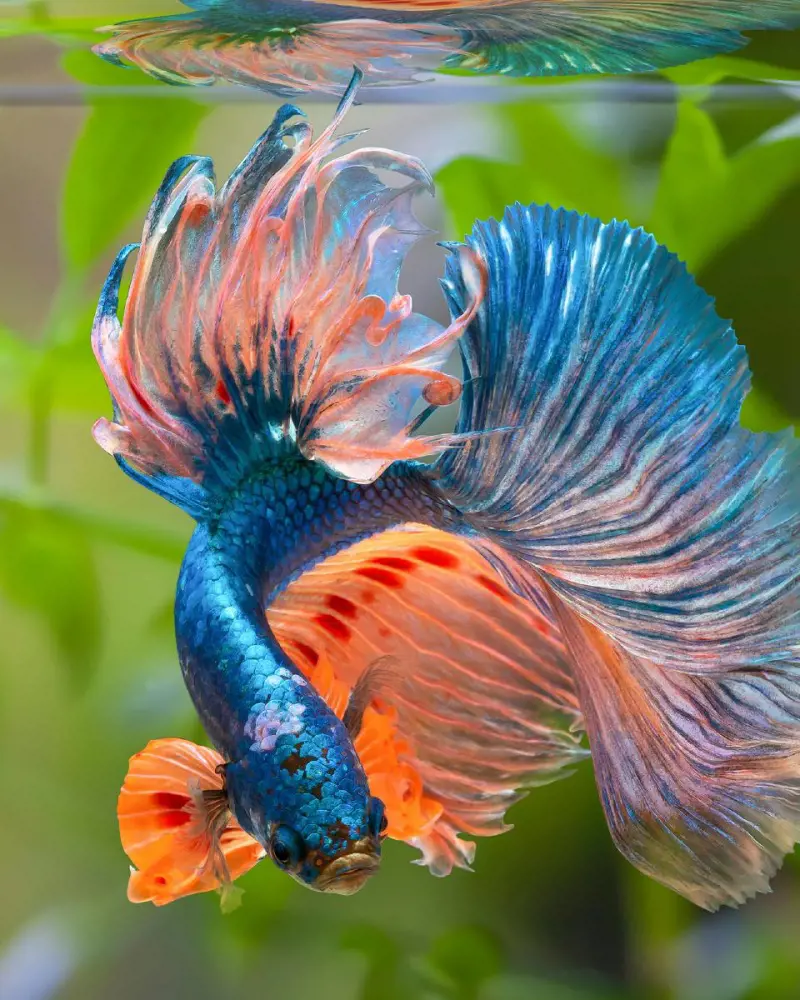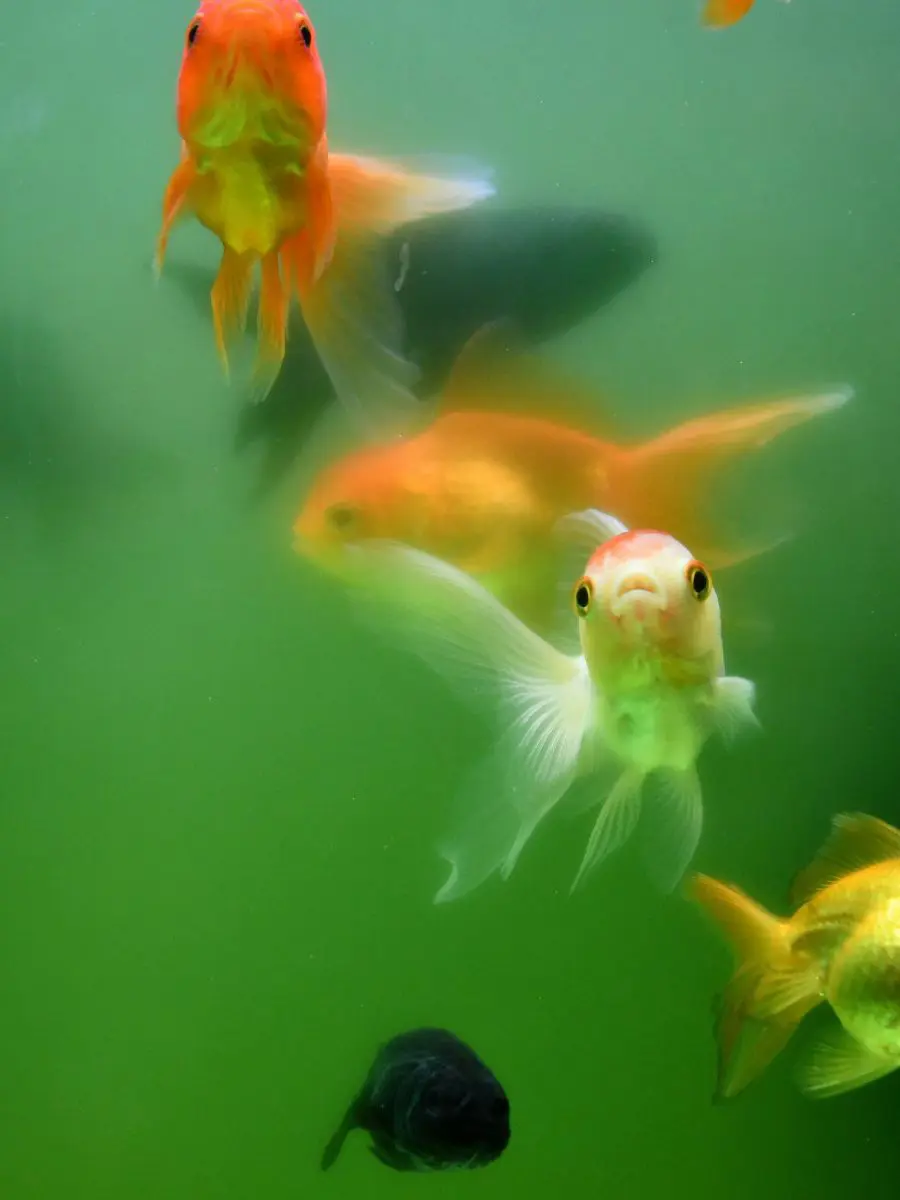


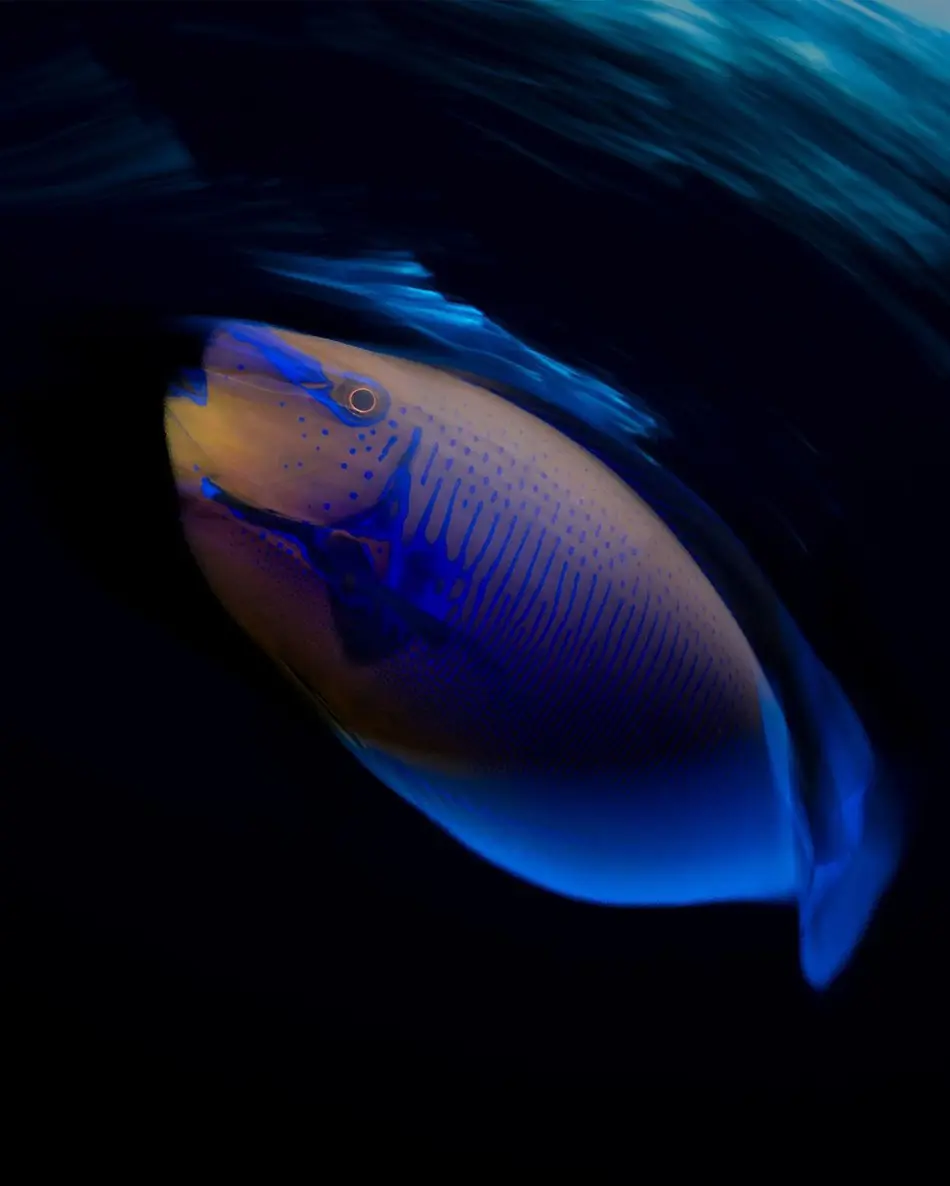
The Blue Tang is the most commonly encountered marine fish in domestic aquariums due to its vibrantly bright blue color and lively overall nature. It requires much more to maintain than just basic knowledge of its needs and compatible companions.
These are very active fish, and thus their behavior pattern is quite different from the rest and their needs thus extend beyond the standard care practices in most marine species. From the tank setup to water conditions, dietary preferences, and social interaction, every aspect of their care has to be meticulously thought out and tailored accordingly.
This alongside ensuring a clean environment and the right choice of tankmates can go a long way in ensuring peace in the aquarium.
Setting Up the Ideal Tank
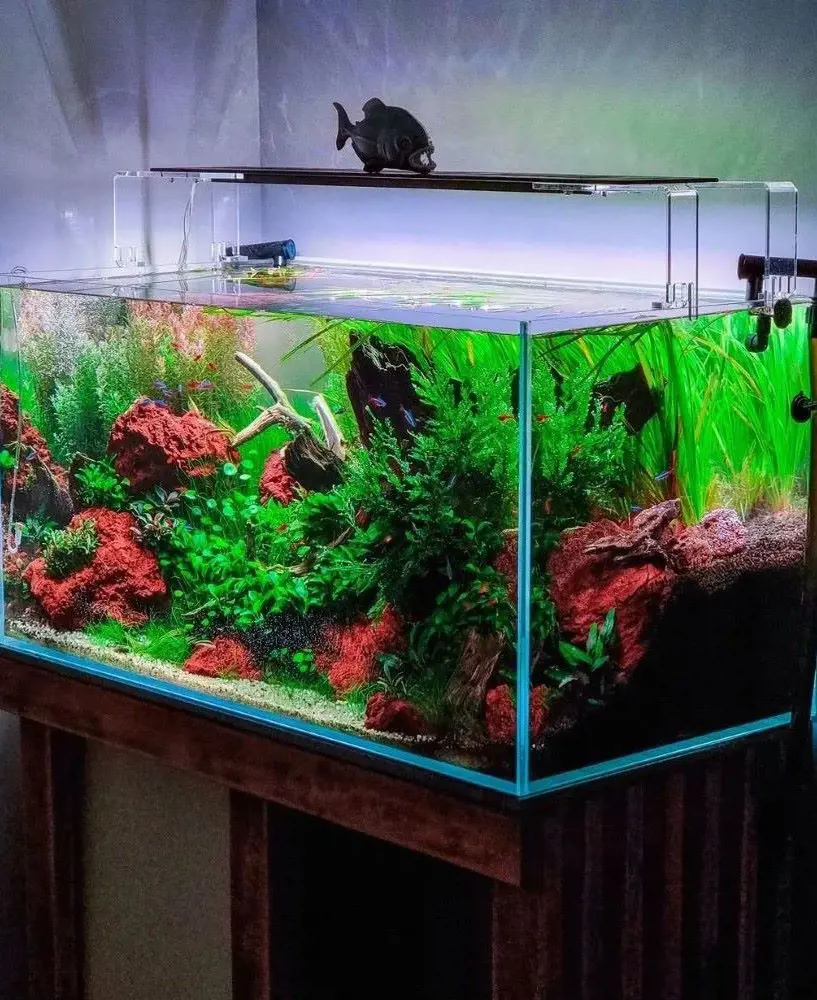
One of the prerequisites of keeping your Blue Tang healthy is to provide them with an ideal environment, they will need an ample tank at a minimum capacity of 75 gallons, to accommodate their active swimming habits and growth potential.
With an aquarium providing good aeration and vigorous water flow, conditions will be close to those that they experience naturally, and thus their health will be good, the blue tang requires a stable water condition with 72-78°F temperature and pH 8.1-8.4.
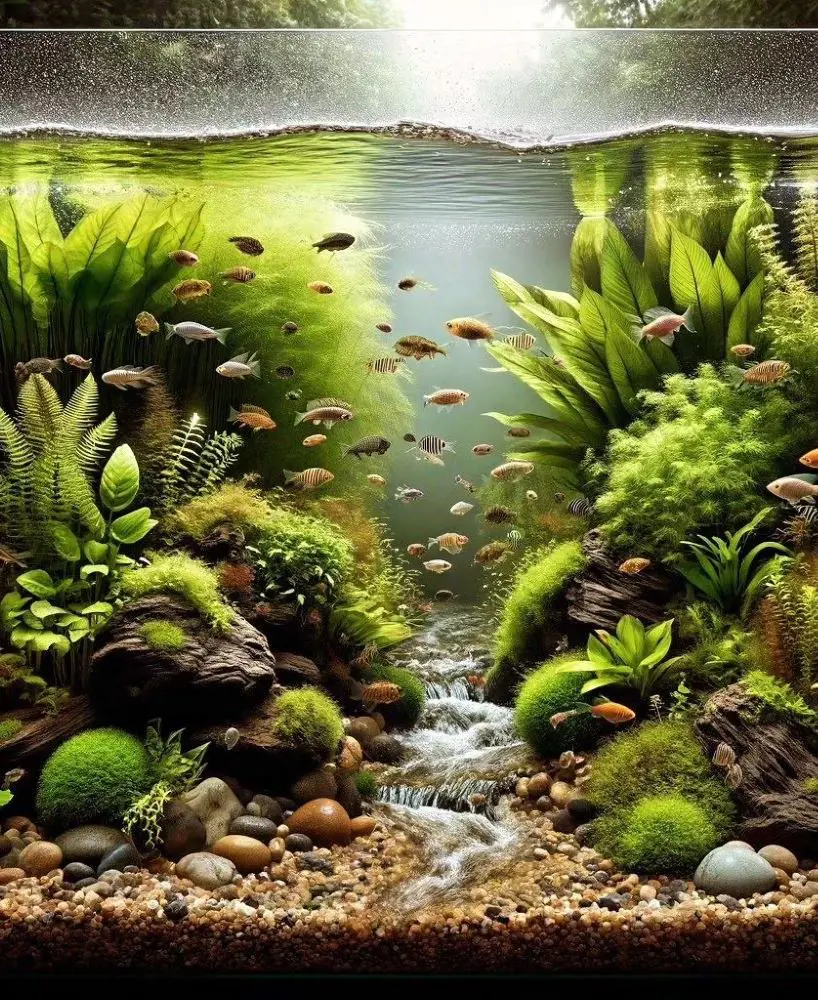
Provide them with many hiding places like live rocks and coral formations, so they may feel safe, hence stressed less good quality water changes and proper filtration will maintain good water quality for your Blue Tang fish to be healthy and happy.
Feeding the Blue Tang
A proper diet is very instrumental to health and vivacity in life, the simple, basic needs of nutrition, frequency of feeding, and tips toward a balanced diet that will bring out the vibrancy and liveliness of your Blue Tang in a saltwater aquarium.
Dietary Needs: As primarily herbivorous, tangs will require the bulk of their diet to consist of algae and sea-based vegetables like nori. A mix of flakes, pellets, and fresh vegetables of decent quality will be enough to sustain general health.
Supplementing Diet: It is also possible to add some frozen or live foods like brine shrimp or other shrimp over their basic staple for extra nutrition and they can be fed once in a while to act as supplements to their normal diet for additional nourishment.
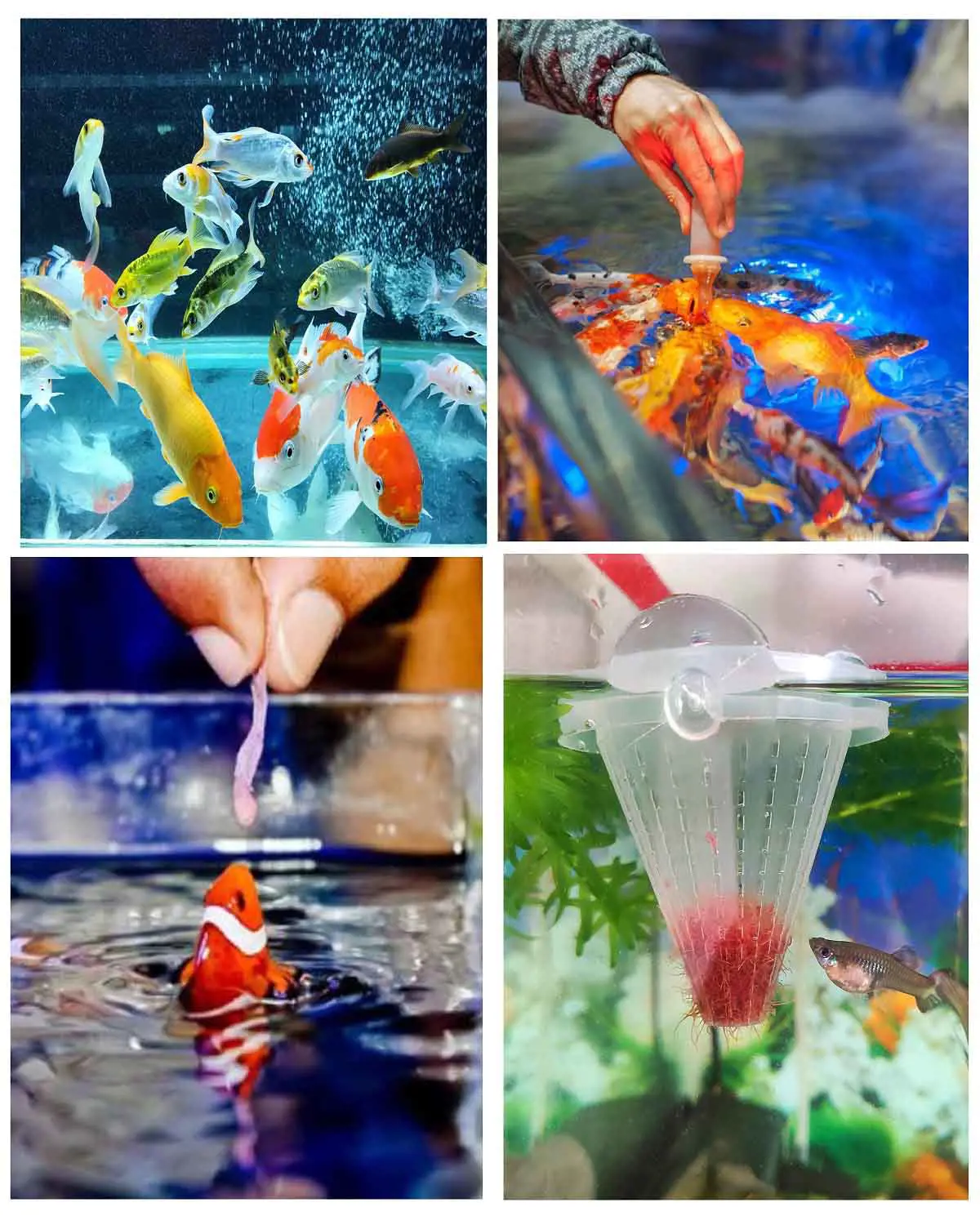
Frequency of Feeding: Feed your Blue Tang small portions several times per day, rather than one single large feeding, this will allow them to retain their health and activity by simulating natural grazing.
Avoid Overfeeding: This will result in poor water quality, along with several other health issues and observe them while eating and remove the leftovers to assure a clean environment for them.
Understanding Blue Tang Behavior
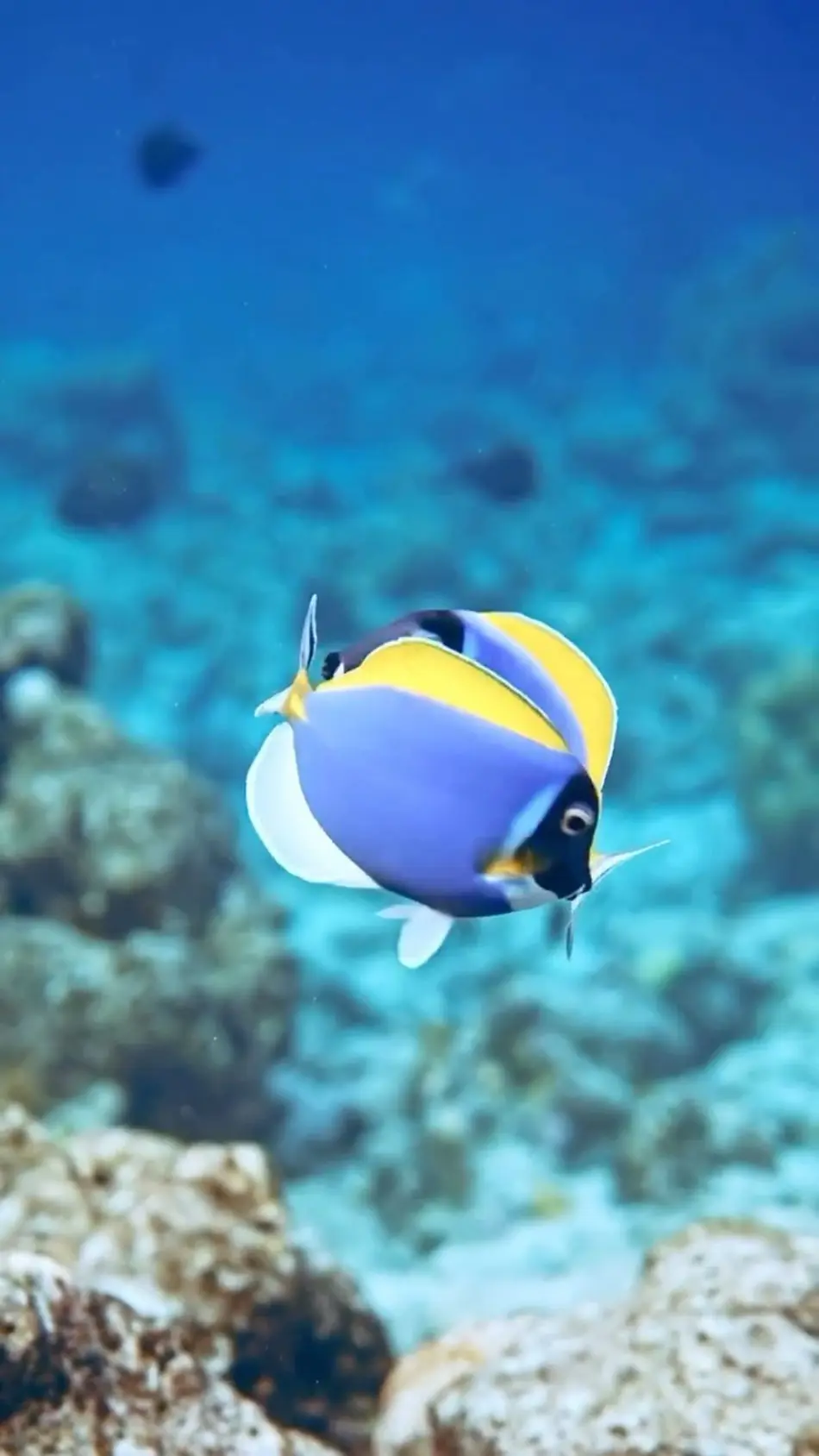
Active, social, and graceful in their swim, the Blue Tang swims about in view and they can be initially somewhat shy but most often gain their confidence as they become accustomed to their surroundings.
This means that their behavior needs to be carefully monitored, as they do get stressed quite easily if the tank is overcrowded or if they do not have places to hide, since stress can foster the growth of marine ich, they must be kept in an environment that has as little stress as possible.
They do have some territorial behavior, mainly against other tangs, meaning it is best to have only one in a tank unless the aquarium is big enough for many tangs to swim without feeling their territory is being invaded.
Choosing Compatible Tank Mates
Choosing proper tankmates for your Blue Tang is a real guarantee for a non-aggressive and successful marine aquarium, this chapter will expose you to the best companions that can live with Blue Tangs in harmony, thus enabling you to create a balanced community where each species can thrive.
Peaceful Fish
In the cases in which you decide to select species that will be put into a tank with your fish, you will desire that they be accompanied by peaceful species that have no violent behavior, these peaceful marine species would then be clownfish, gobies, and wrasses, which appear to agree with them as they are said to be less aggressive, yet flexible in shared space.
These are peaceful fish that do not give way to stress or problems in a tank and with peaceful species, one has a stable and serene environment where all inhabitants get to thrive without being at risk from aggression or territorial disputes.
Keeping Away Aggressive Fish
As much as these peaceful species are ideal companions for Blue Tangs, it is equally important not to pair them with aggressive fish, and some species of triggerfish, some large angelfish, and others may turn out to be territorial and cause agitation in the tank so this could then be quite stressful and even harmful to the Blue Tang.
Normally, aggressive fish depict their behavior through chasing or nipping other fish, something they do in the wild to catch their prey, using the very same behavior that disrupts the harmony in an aquarium, this will ensure the good health and safety of your fish so keep them away from aggressive species, and have tank mates that would provide a peaceful, balanced environment in the aquarium.
Invertebrates as Tank Mates
Invertebrates make great tank mates for housing a Blue Tang and the cleaner shrimp, snails, and other invertebrates not only go well with the Blue Tangs peacefully but also help in cleaning up the remains in the tank.
When invertebrates consume food in the form of algae, they clean up excess food, developing a much healthier and balanced ecosystem, invertebrates won't bother the fish and are good tank-mates that will further ensure the health of the tank while providing a stress-free for the Blue Tang.
Group Dynamics
Whenever you introduce a few fish to your aquarium, consider group dynamics to avoid territorial disputes between fish that are incompatible, and introducing all-new tankmates at the same time reduces potential cases of aggression, as no single fish will have had enough time to dominate over others.
Add many spots for hiding and open swimming spaces around the tank to provide for all the inhabitants and even more in general, these features will calm by providing the fish a retreat, an area for exploration, and an environment through which to achieve a peaceable and balanced community in which your Blue Tang and its friends can live harmoniously.
Maintaining Water Quality
The quality of water should be kept at high standards for a healthy fish, use a good filtration system to remove waste and other toxins from the water and such fish are the first to tell if the water conditions are poor, thus requiring constant monitoring and maintenance.
Regulated water changes should be done to ensure that the water used in the environment remains clean and stable, test the parameters of the water as well weekly to ascertain that this is at its most ideal for them.
Ammonia and nitrite should always be zero, while nitrate should be at a low level, a protein skimmer may also be installed to deteriorate water quality by removing organic compounds before they decompose into toxic matter.
Prevention and Treatment
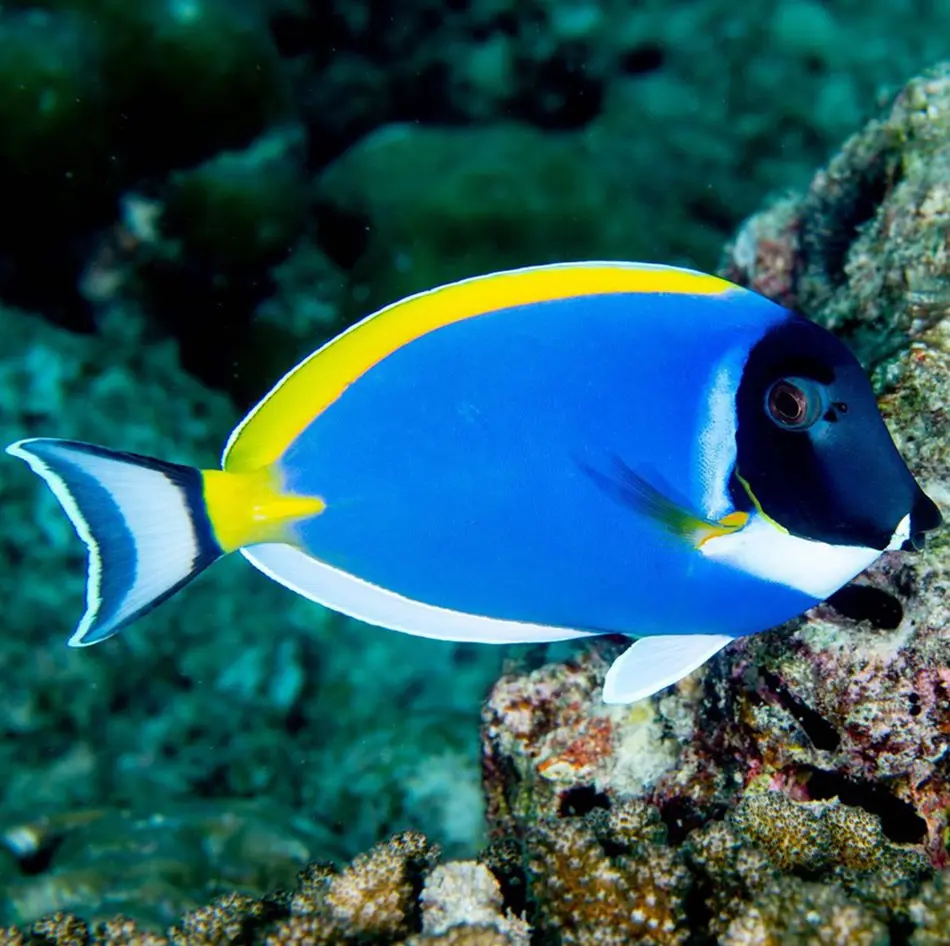
Fitness does not equate to only nutrition with ample clean water which is free from diseases, the subsection below highlights some of the methods of identification, prevention, and treatment against common diseases that might afflict your Blue Tang in staying healthy, strong, and colorful within your aquarium.
Common diseases: The Blue Tang is very prone to marine ich and other parasitic diseases, especially when stressed, it is important to detect the disease in its earliest stages of development and institute treatment to minimize the potential damage and to keep your tank in good health.
Isolate New Arrivals: Whenever you have new fish, always quarantine them without direct addition to your main tank, this will prevent the diseases from reaching and, on the other hand, will provide time to notice any sickness from the new fish.
Provide stress-free environments: Stress is the major cause of diseases so provide more hiding space and avoid overcrowding, as well as maintain stable water conditions, which in turn will reduce their stress levels.
Effective Treatments: White spots and other sure signs may be treated in your fish with copper-based medicine or any other as recommended for fish of the sea. You must always follow the directions and monitor your fish while being treated.
Selecting the Right Equipment
Always equip your tank with proper equipment to create a healthy environment for them and you will want one of high quality to maintain a fixed temperature of the water and fluctuations stress out the fish, and in turn, bring about diseases.
This is meant to provide suitable lighting in the tank while encouraging the growth of algae, the wave maker functions to produce some type of water movement, akin to the ocean currents that they are used to, which work to keep the fish in good health.
These shall also need a proper filtration system to make sure the water will be clean and clear, and a protein skimmer that will help remove any organic waste to maintain water quality, always check and maintain your equipment regularly so they can function properly in keeping your fish environment stable and healthy.
Breeding Blue Tangs
The breeding of Blue Tangs is challenging and this part of the portfolio explains the fundamentals and guidelines for successful breeding, starting from environmental preparation to very sensitive fish at very tender ages of its life in rearing.
Challenges of Breeding: Breeding blue tangs is always difficult since it simulates the needs of their habitat and spawning conditions and almost all successful breeding reports have been recorded in large, well-established tanks with stable parameters in water.
Mating Behavior: The male Blue Tang develops brighter coloration and then proceeds with courtship displays to woo females during breeding periods and this can be done with a peaceful tank that allows for many hiding places, thereby encouraging such breeding-related natural behaviors.
Care of Larvae: If breeding is successful, larvae will hatch and will need good quality water and appropriate feeding, the larvae are very sensitive to special diets, in the form of microalgae or plankton, to grow up and survive.
Juvenile Rearing: Raise your young blue tang in an environment that will keep them safe feed them the nutrition that they need and grow them in a predator-free aquarium with food and proper care for them to grow.
Monitoring Health
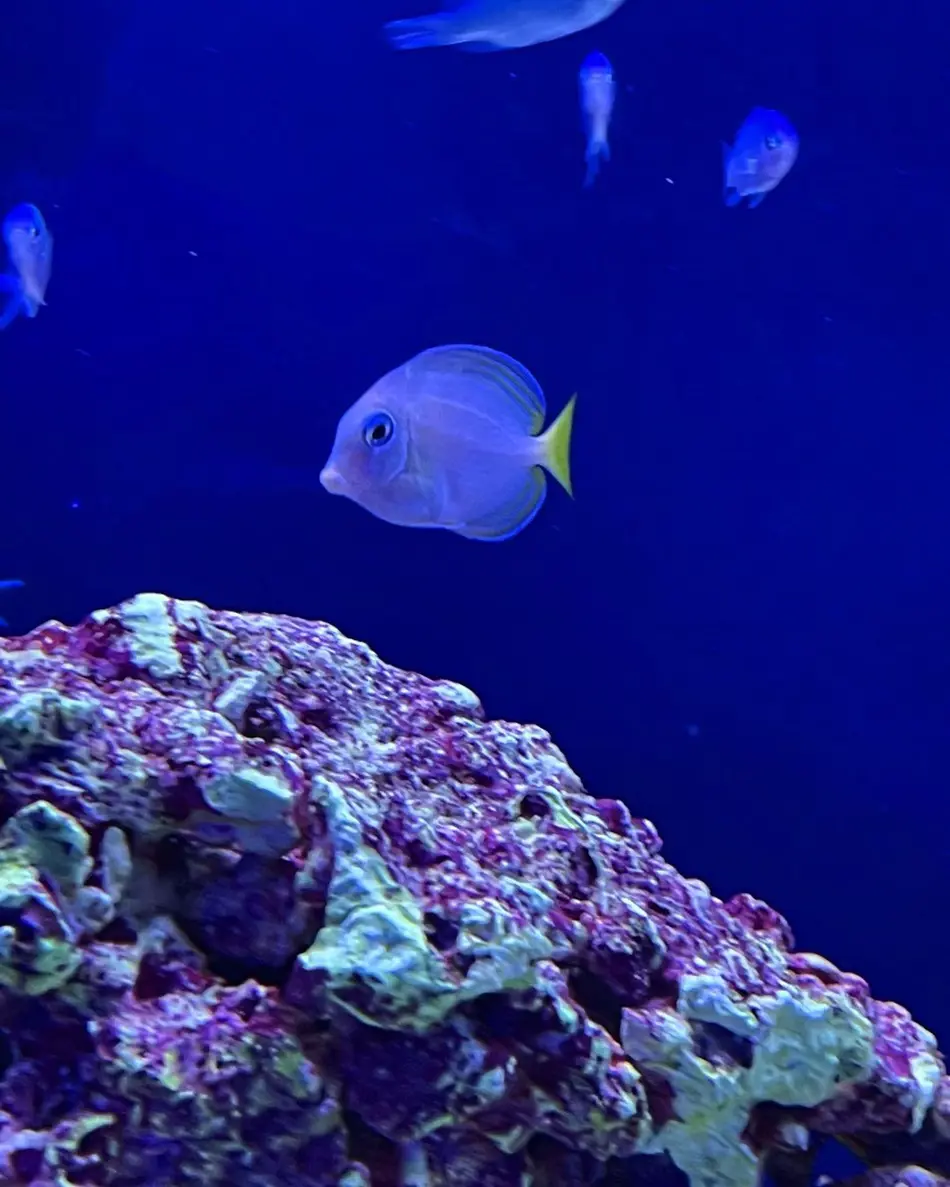
This makes the monitoring of the health of your fish while in an aquarium very critical to its welfare and the fish should be checked daily for any stress, disease, or other irregular behavior and monitor behavioral changes like lethargy, loss of appetite, and strange swimming, as these may prove to be indicative warning signs of some emerging problems.
Watch out for physical cues like color changes, for it would naturally mean that it is under stress or diseased, you would be forewarned early of any problem that would be corrected before things spiral out of control, maintaining an environment stable and healthy for you.
If any of those readings fall out-of-range, immediate action using water changes, adjusting filtration, and chemical treatments to stabilize conditions should be taken, and maintaining good water quality is essential in preventing your Blue Tang from becoming stressed or sick and is the guarantee that it will thrive in its environment.
Aggression and Compatibility
It means bringing control to the aggression of your fish, which is very essential for a harmonious environment within a tank, this section gives information on how one recognizes and deals with aggressive behavior and gives tips on compatibility with other tank inhabitants to ensure a peaceful marine community.
Understanding Territorial Behavior
The Blue Tang is a territorial fish, particularly when housed with other tangs or fish of similar shape and size, such behavior can create problems if the tank is not properly set up for stocking these fish with territorial instincts and space must be provided so that each fish can have an area it can call its own without intruding on another's space.
Create many refuges and visual obstacles like boulders and corals allowing the fish to continuously evade direct encounters, the fish will withdraw and feel safe, lowering the stress and leading to a more calming and synchronous aquarium, the key to successfully keeping a harmonious aquarium is by preemptively selecting the appropriate tankmates.
Never Add Too Many at Once
Another way of minimizing the risks involved with this combination would be to introduce the new tank mates gradually such as introducing them in a quarantine tank first and then introducing them into a main tank, or else providing barriers within the main tank for gradual acclimatization.
This is important since, during this process, the behavior of the fish must be continuously monitored, if there is any increased aggression, address it quickly so that it will not add stress to every living creature inside the tank and make a smooth transition.
Handling Bursts of Aggression
A few of the next steps may be taken to reestablish calm in the event aggression remains continuous, one excellent strategy with tank layout restyling that could break down established territories and confuse aggressive fish goes to a great extent in hitting a reset button on social dynamics.
You might also want to try separating the aggressive fish from other fish for some time by placing it in a different tank or by placing a tank divider, and while it cools off, most often the Blue Tang will be able to calm it down, therefore reducing its aggressiveness when reintroduced into the community.