

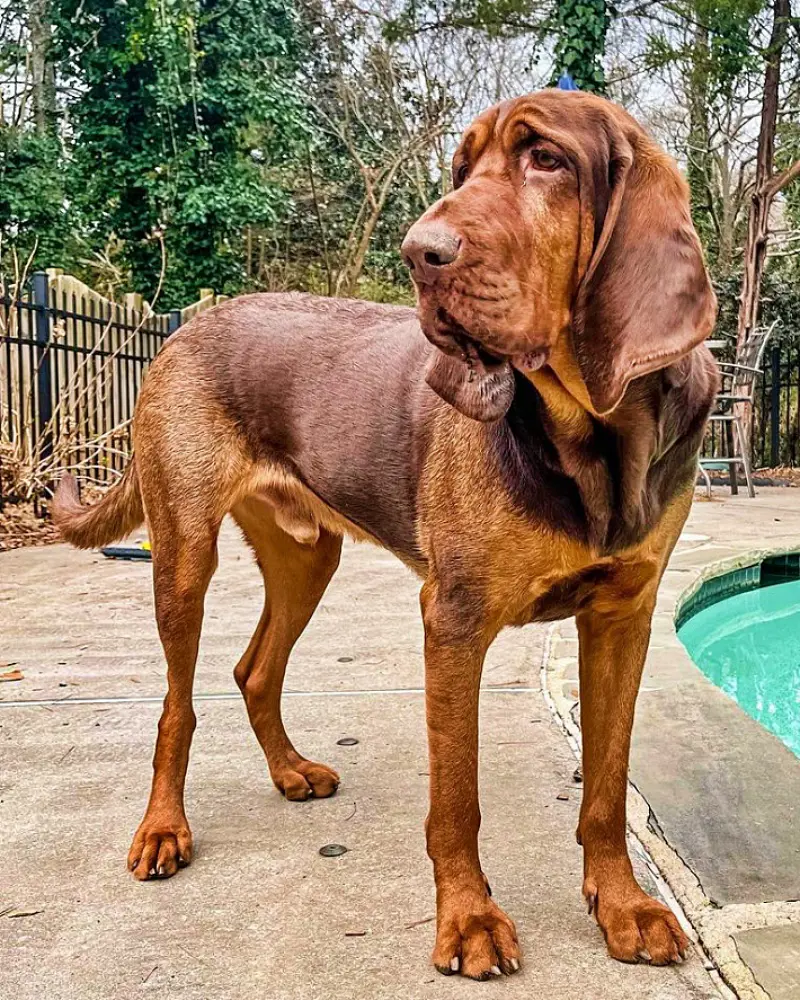
The bloodhound dogs, with their adorable wrinkled face and droopy ears, carry with them a fascinating history and remarkable abilities. Originating from Belgium, these noble hounds were historically prized for their skill in trailing game and criminals alike.
These canines are renowned for their unparalleled sense of smell and ability to track scents unmatched in the canine world. Apart from their physical prowess, these giants have a softer side to them, which makes them prized companions.
A Brief Overview
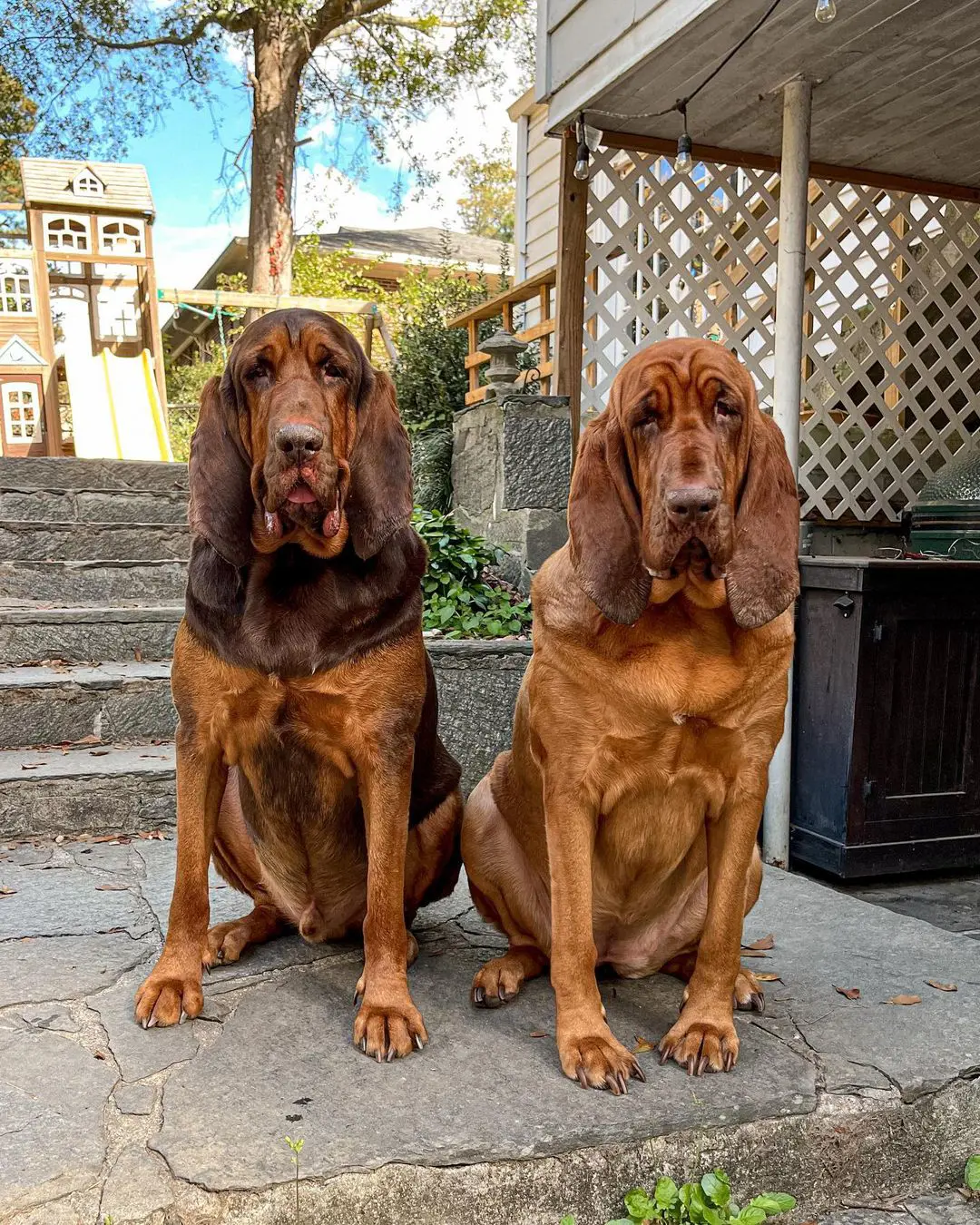
Breed Group: Hound
Origin: Belgium
Size: 23-27 inches
Weight: Male: 80-110 pounds
Lifespan: 10-12 years
Coat Type: Short, smooth
Temperament: Gentle, affectionate, patient, loyal
Bloodhound History
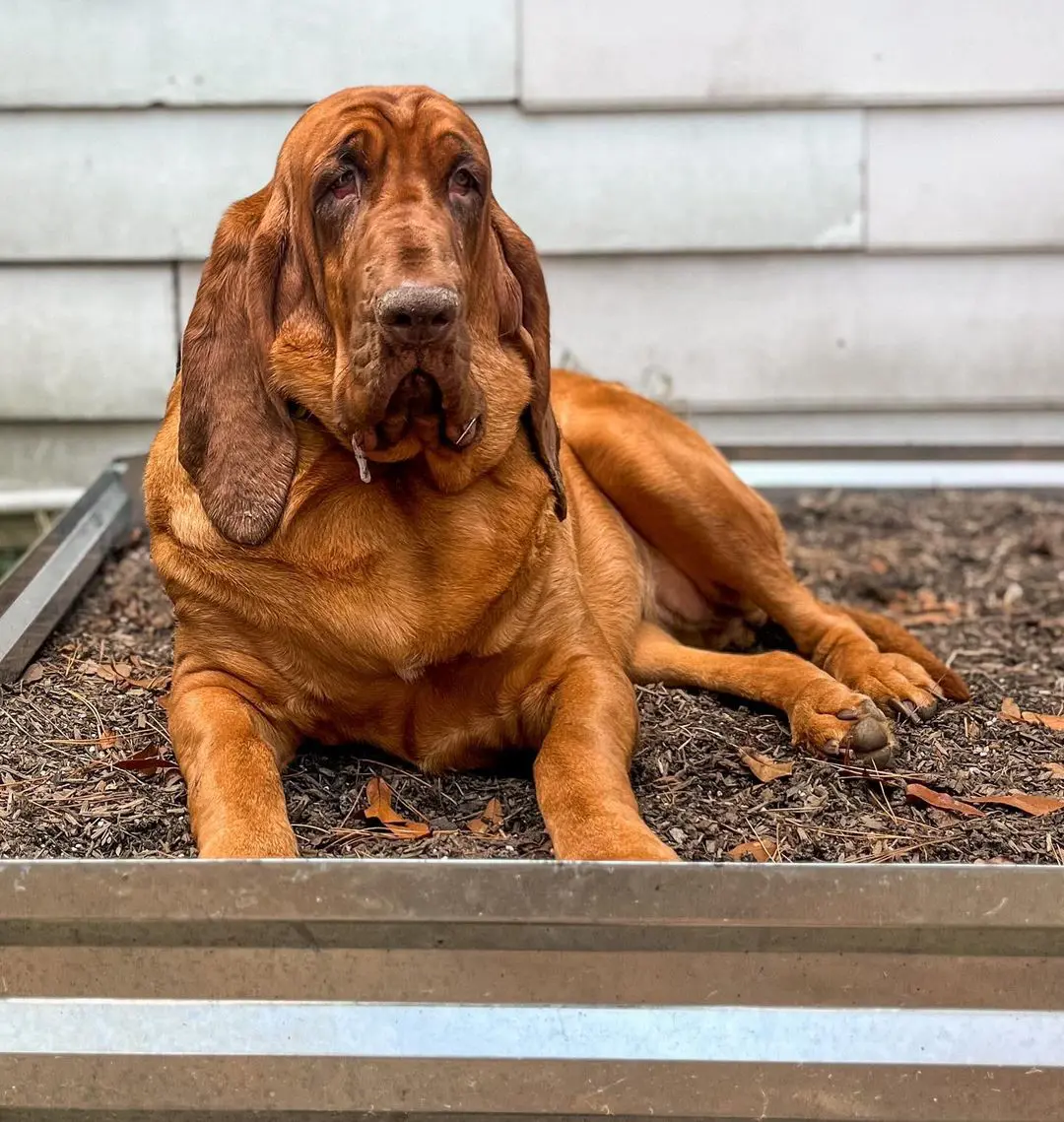
Bloodhound dogs originated from Belgium in the Middle Ages and were bred by monks for tracking purposes. The name of these canines is believed to have come from their noble status, as they were often kept by royals and nobles for hunting deer and boar.
These dogs were selectively bred over generations to enhance their olfactory capabilities, stamina and tracking instincts. Their exceptional sense of smell and tenacity made them invaluable assets in the pursuit of the game.
Oldest Police Dogs
Bloodhounds were used by police as early as the late 19th century, making them one of the oldest breeds used in law enforcement. Their keen sense of smell and unwavering determination made them indispensable in tracking down criminals, fugitives, and missing persons.
Throughout history, Bloodhounds played pivotal roles in solving crimes and locating individuals, earning them a revered status among police forces. Even today, the Blood hound dog continues to serve in law enforcement agencies worldwide.
Remarkable Tracking Skills
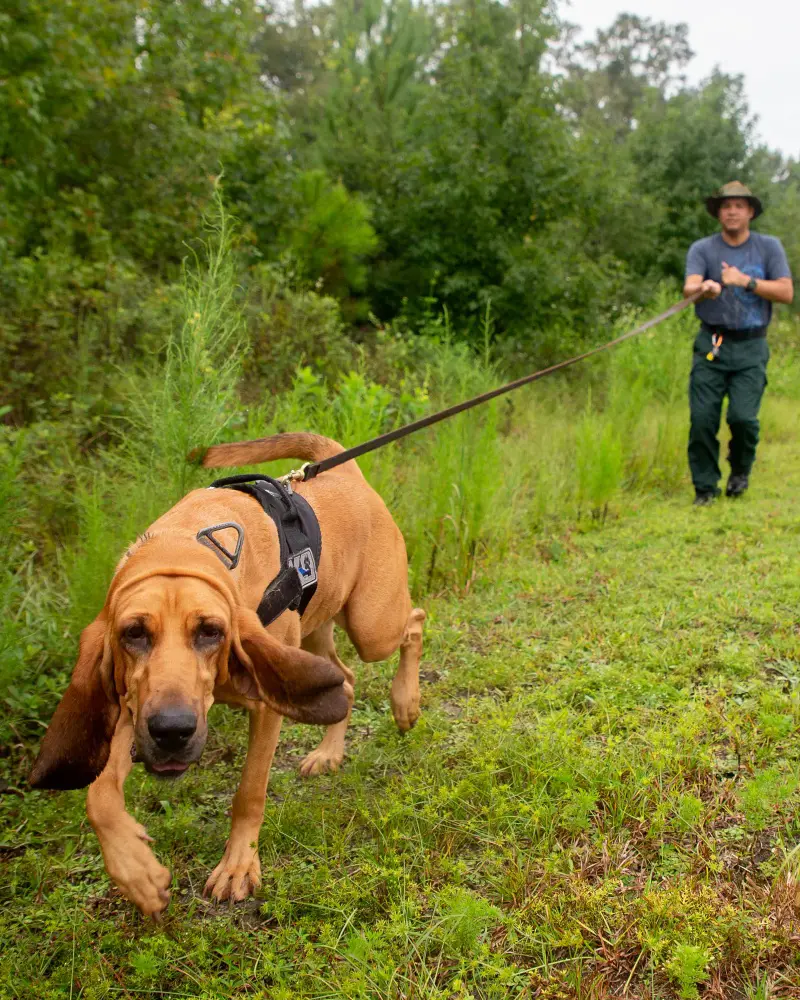
The Bloodhound breed possesses approximately 300 million scent receptors, making them one of the best tracking dogs in the world. Their ability to follow scents over vast distances and varied terrain is unparalleled.
Blood hound dogs have been used to track various scents including humans, animals, and even lost items. These canines have been employed in search and rescue operations, criminal investigations, and even finding lost individuals for centuries.
Fun Fact: A famous Bloodhound named Nick Carter helped solve over 600 cases during his career in the early 20th century.
Gentle Giants
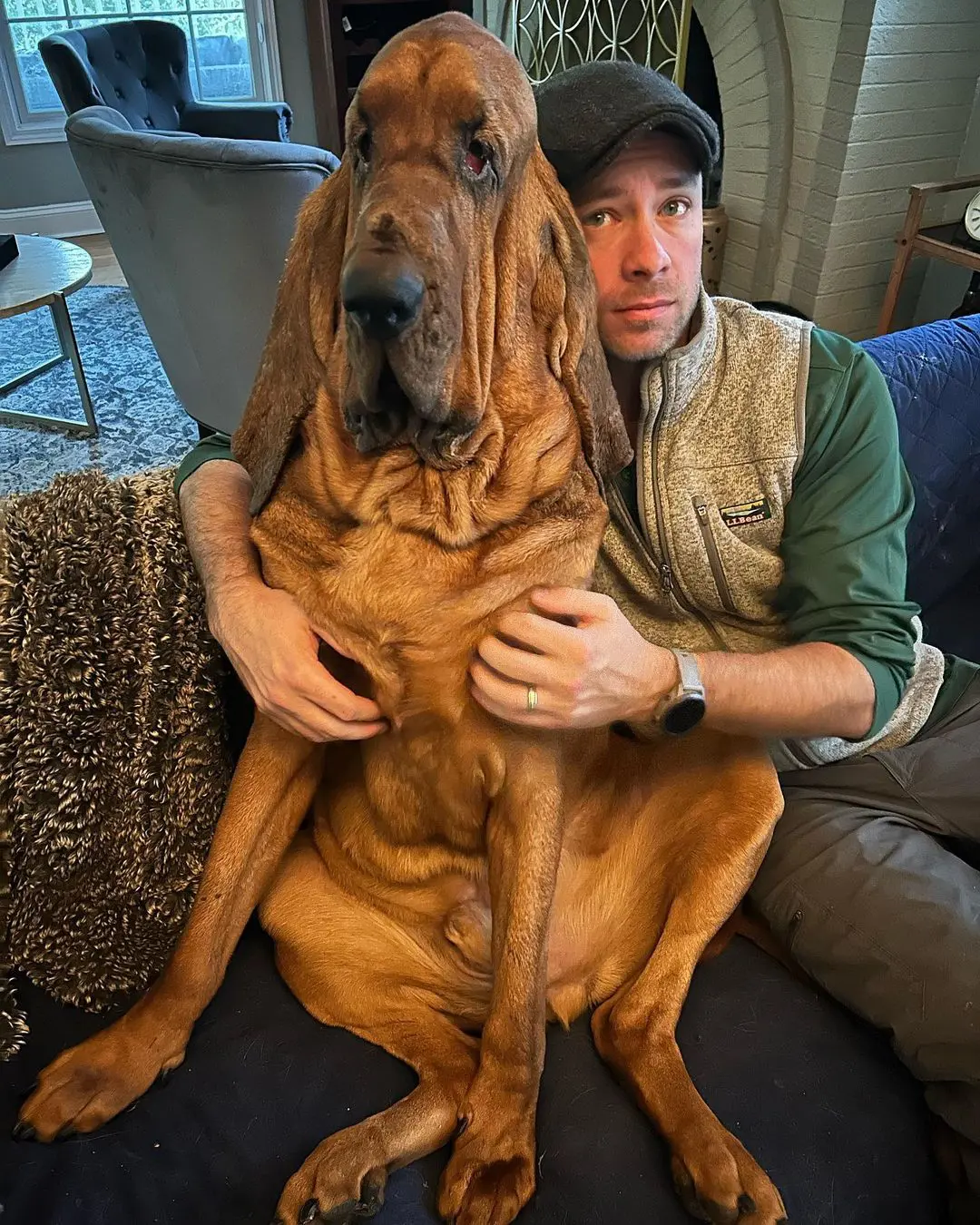
The Bloodhounds are majestic canines standing 23 to 27 inches tall at the shoulder, which puts them in the same group as the Saint Bernards. These giant canines weigh anywhere from 80 to 110 pounds on average.
Despite their imposing stature, Bloodhounds are incredibly gentle and affectionate and tend to form strong bonds with their families. Their size can be intimidating to some but their kind and patient nature make them wonderful companions.
Distinctive Features
Coat Type
Bloodhounds boast a distinctive coat that is short, dense, and somewhat rough to the touch. Their coat is designed to protect from various weather conditions while also being relatively easy to maintain.
The texture of their fur helps repel dirt and debris, making grooming a simpler task compared to breeds with longer or more intricate coats. While their coat is typically black and tan, it can also appear in the liver and tan, although these variations are less common.
Wrinkled Skin
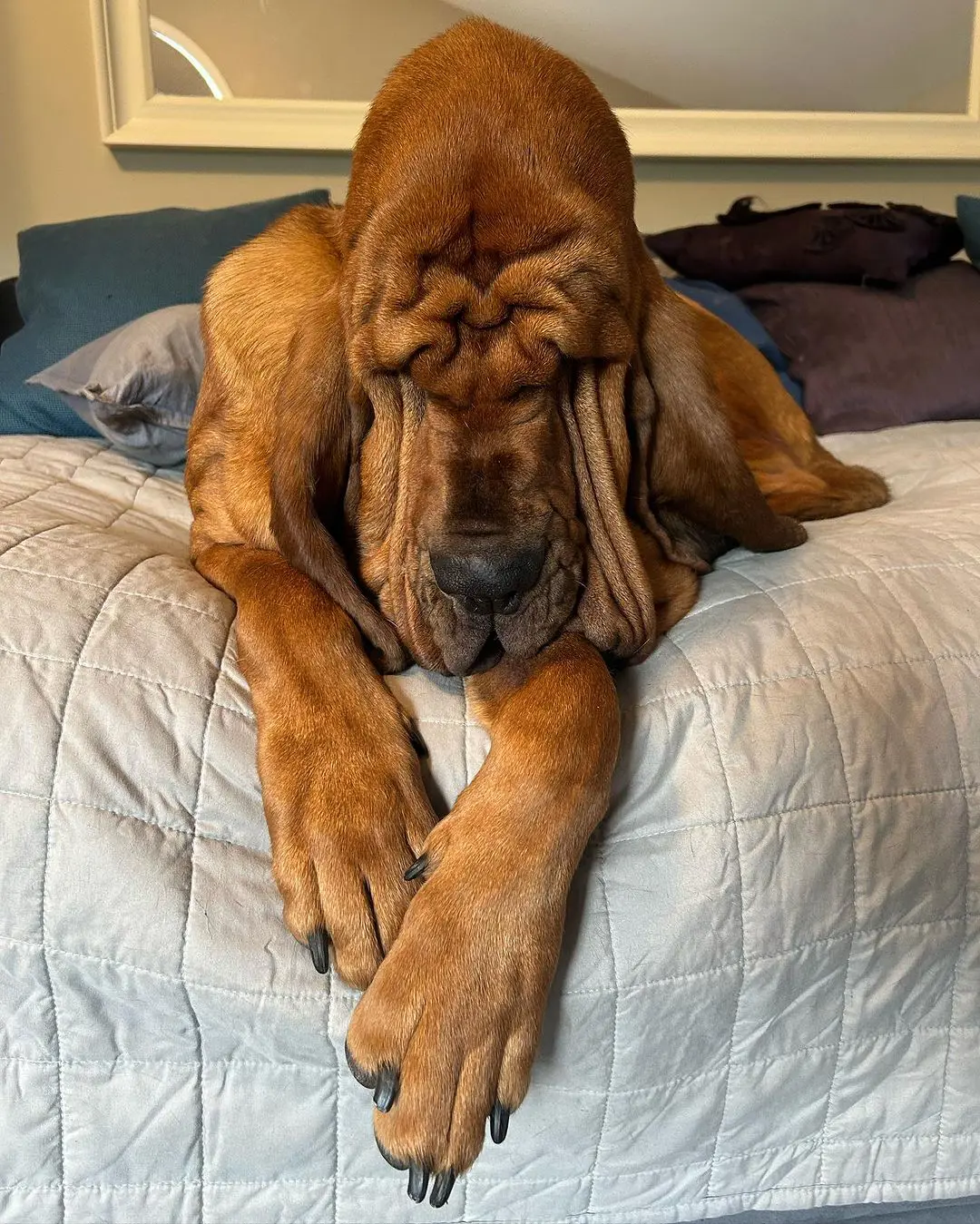
One of the most charming features of Bloodhounds is their famously wrinkled skin, which adds to their endearing personality. These deep wrinkles, particularly around the face and neck, serve a practical purpose in tracking and hunting.
Despite their practical function, these wrinkles also contribute to the Bloodhound's adorable and droopy expression. This feature has affectionately earned them the nickname of 'Slobber Hound' among pet enthusiasts.
Long, Droopy Ears
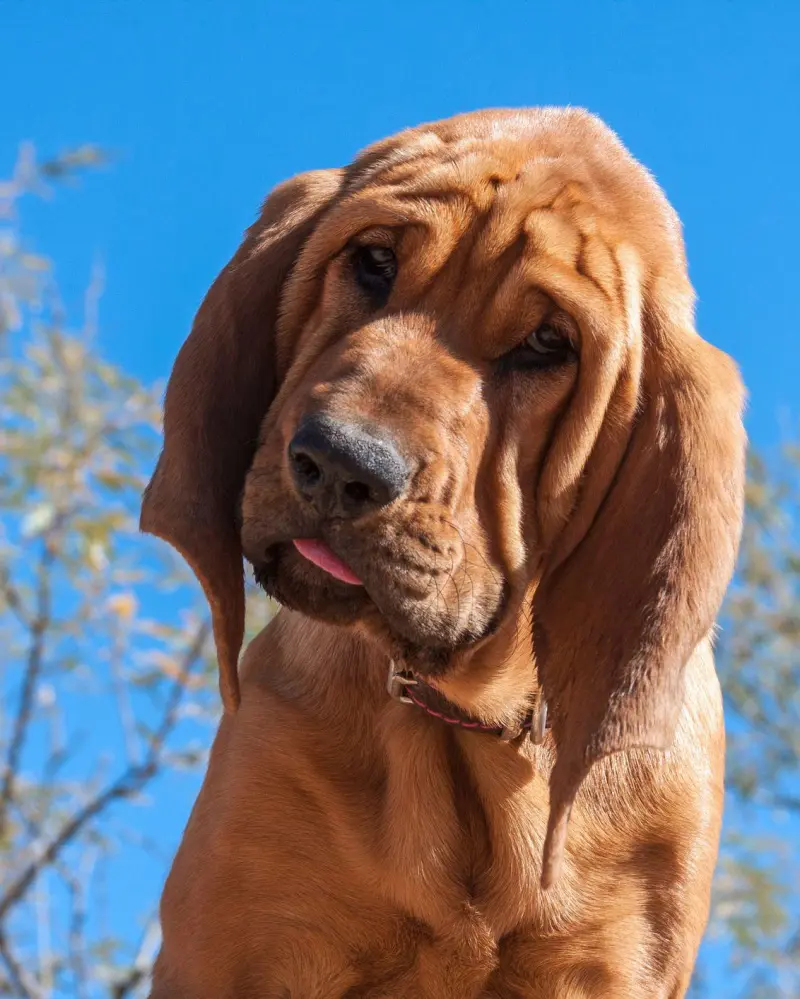
One of the most iconic features of Bloodhounds is their long, droopy ears which give them a unique look. These pendulous ears, known as "leathers," help funnel scent particles toward the dog's nose as they track a trail.
When a Bloodhound is on the scent of something, their ears swing and sway, capturing and channeling scent toward their highly sensitive olfactory receptors. Beyond their functional role, these long velvety ears are undeniably charming and endearing.
Deep Bark
Bloodhounds are renowned for their deep, melodious bark, which is as distinctive as their appearance. When they vocalize, it is a low, sonorous sound that carries far and wide, making them excellent watchdogs.
This deep bark is a part of their natural instinct as scent hounds, as it helps them communicate with their handlers while on the trail or during search and rescue missions. It adds to their regal presence and contributes to their reputation.
Bloodhound Companionship
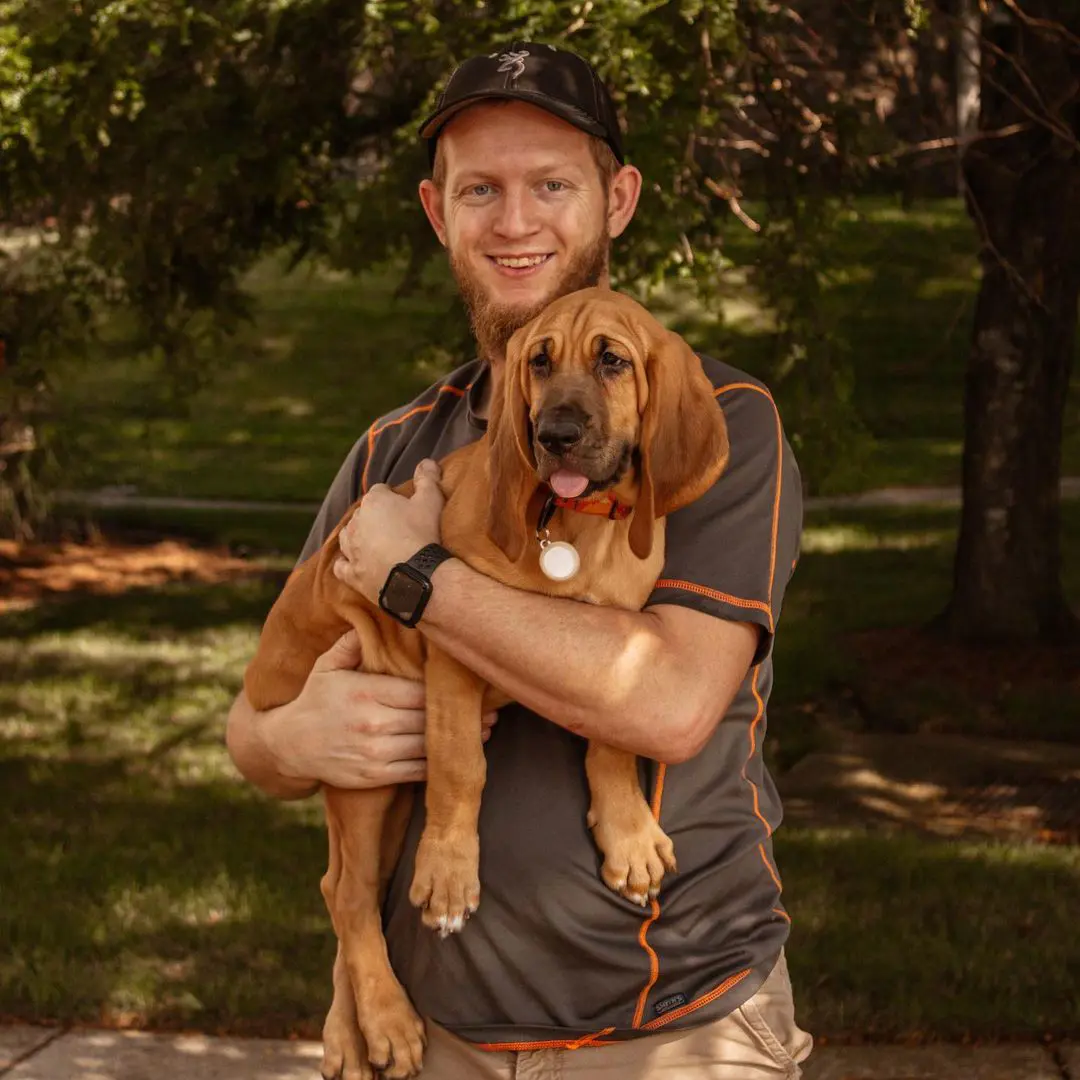
Renowned for its gentle demeanor and unwavering devotion to its human family, this dog breed offers companionship that is both steadfast and heartwarming. The bond they forge with their owners truly transcends words.
Here are some endearing personality traits of the Bloodhounds which makes them invaluable companions.
Gentle And Affectionate Disposition
The gentle and affectionate nature of the Bloodhound is a hallmark trait that endears it to all who encounter this beloved breed. Their large, soulful eyes reflect their tender-hearted disposition, often melting the hearts of those around them.
Whether lounging at home with their human family or meeting new friends at the park, they exude warmth and affection in every interaction. Despite their impressive size and strength, they possess a remarkable gentleness.
Child-Friendly Nature
Renowned for its tolerance and calm demeanor, the Bloodhound forms strong bonds with children often becoming their loyal and protective playmates. Despite their imposing size, Bloodhounds possess a natural instinct to be gentle around little ones.
These dogs demonstrate a remarkable understanding of children's needs and emotions. Their affectionate nature shines through as they eagerly offer comforting cuddles and gentle licks, forging deep and lasting friendships.
Sensitivity
Bloodhounds possess a surprising sensitivity that adds depth to their character and strengthens their bonds with their human companions. Despite their robust appearance, these gentle giants are attuned to the emotions of those around them.
Whether sensing sadness, fear, or joy, these dogs react with remarkable sensitivity, offering comfort and solace through their reassuring presence. Their keen intuition allows them to pick up on subtle cues from their owners, providing unwavering support and companionship during both challenging and joyful moments.
Bloodhound Lifespan
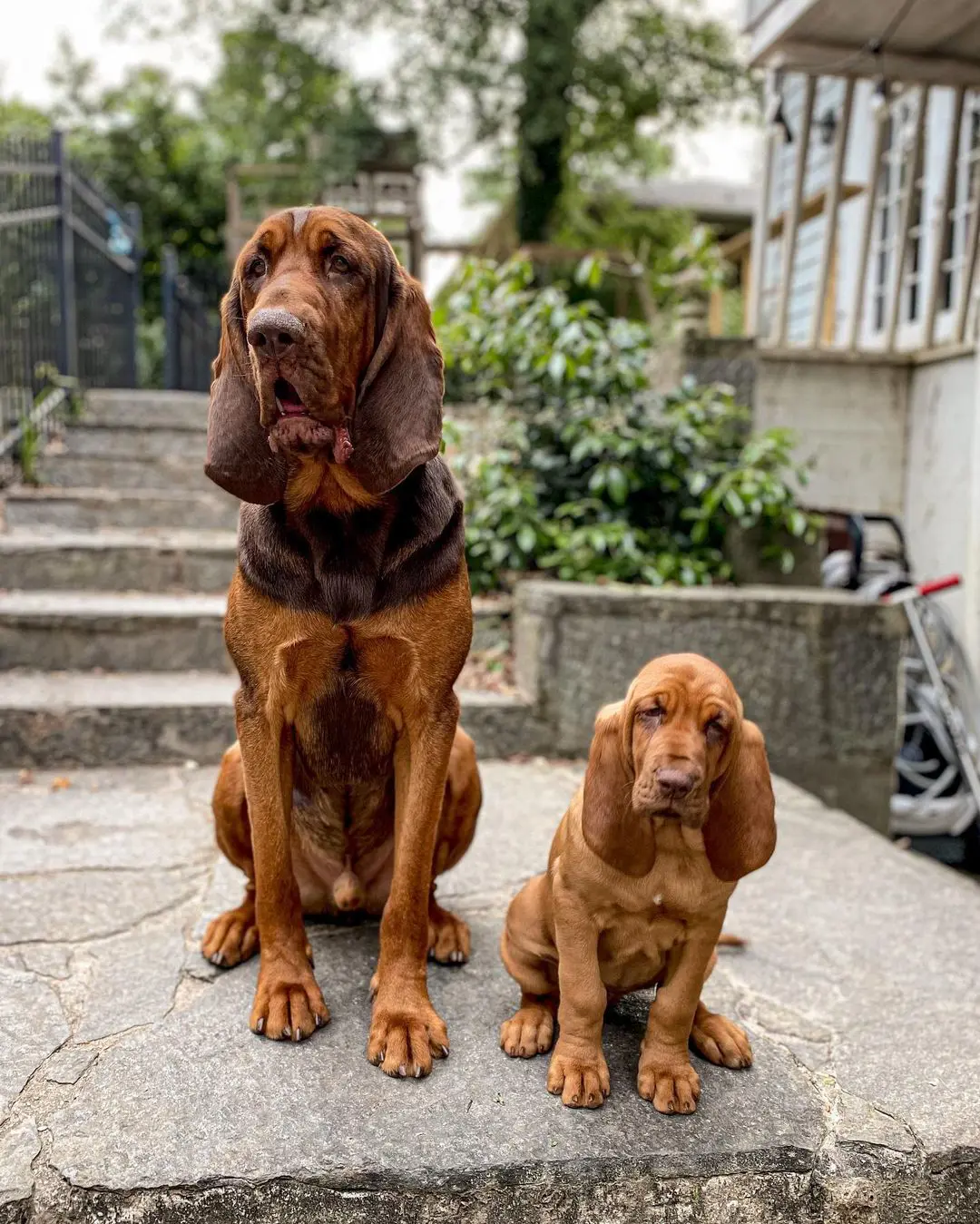
The lifespan of a Bloodhound typically ranges from 8 to 12 years, although some may live longer with proper care and genetics. This is a relatively shorter time period compared to other breeds like the American Staffordshire.
Despite their relatively shorter lifespan compared to smaller breeds, the time spent with a Bloodhound is filled with unwavering loyalty, endless affection, and memorable adventures which makes every moment cherished.
Exercise Needs
Bloodhounds are moderate to high-energy dogs with moderate exercise needs, just like the Great Pyrenees. While they enjoy lounging around the house, they also benefit from regular outdoor activities to keep them mentally and physically stimulated.
A couple of brisk walks per day along with playtime in a secure area are usually sufficient to meet their exercise requirements. These canines have a strong instinctual drive to track scents, so engaging them in activities like scent work, tracking or obedience training can be both fulfilling and mentally challenging for them.
Sleep Lovers
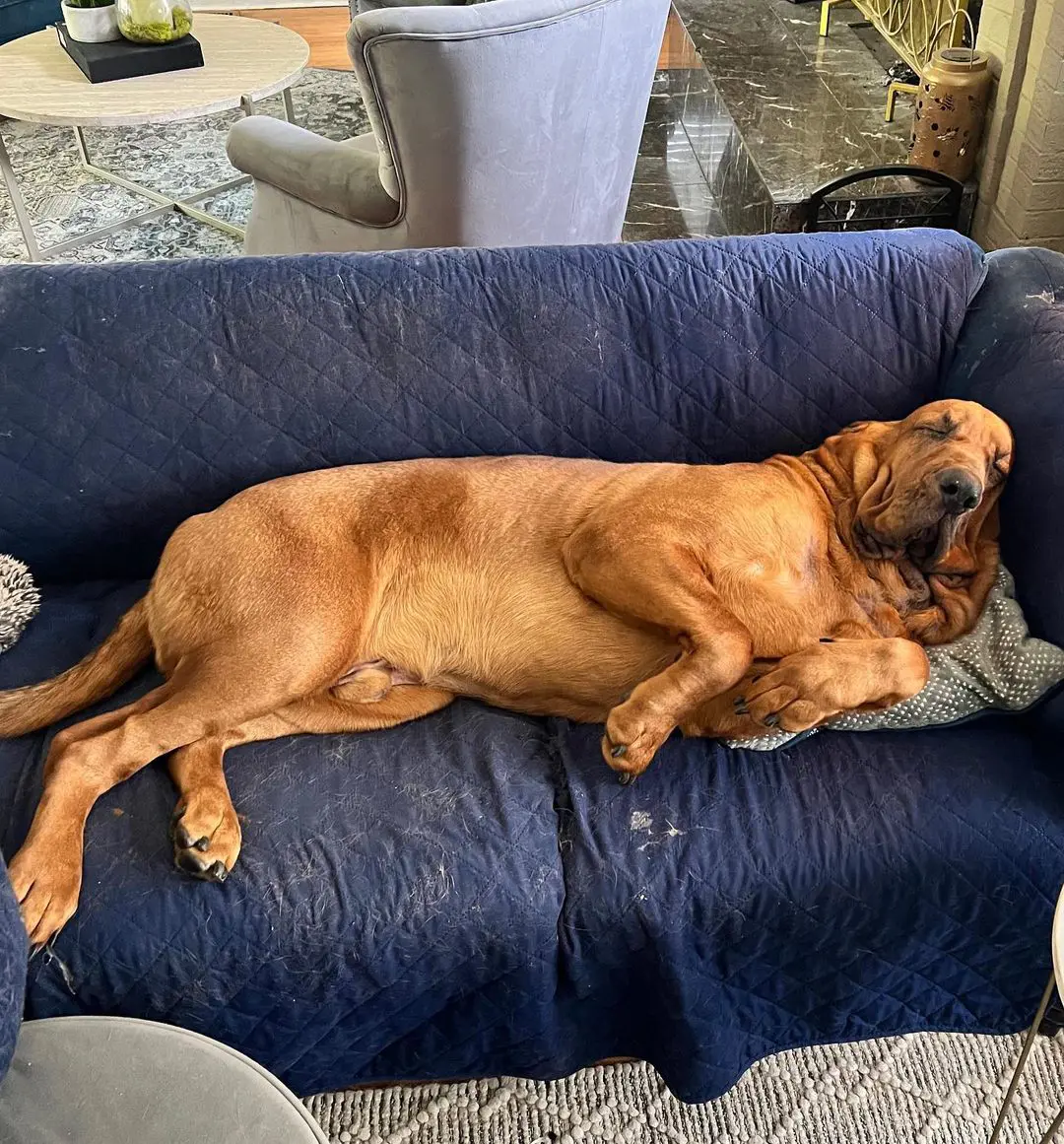
Bloodhounds enjoy lounging and sleeping, often referred to as 'couch potatoes' when indoors. These gentle giants can easily spend a significant portion of their day snoozing, sometimes up to 16 hours or more.
Their laid-back demeanor and calm disposition contribute to their affinity for lounging and resting. It is not uncommon to find a Bloodhound curled up in a cozy spot, snoring contentedly away.
Training Challenges
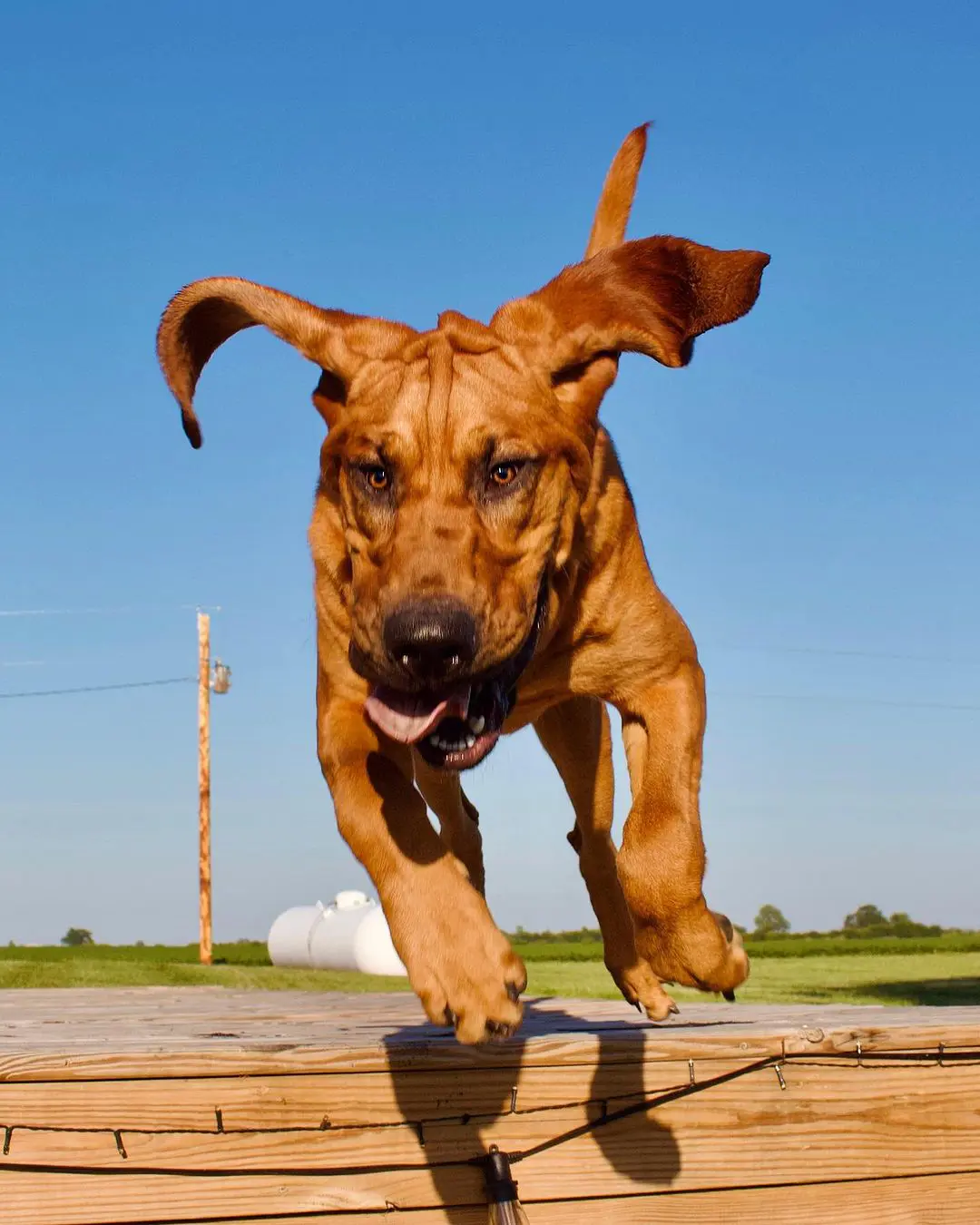
Bloodhounds are intelligent dogs, but they can also be independent and stubborn, which can make training a bit challenging. Consistency, patience, and positive reinforcement techniques are key when it comes to training these scent-driven hounds.
Here are some useful tips to train your pup:
- Early socialization and obedience training are highly recommended to help them develop good manners and become well-adjusted companions.
- Using treats, praise, and toys as rewards for desired behaviors can motivate them during training.
- Consistent training routines, combined with plenty of mental stimulation and exercise, will help channel their energy positively.
- Patience, persistence, and a gentle approach are the keys to successfully train your Bloodhound.
Common Health Issues
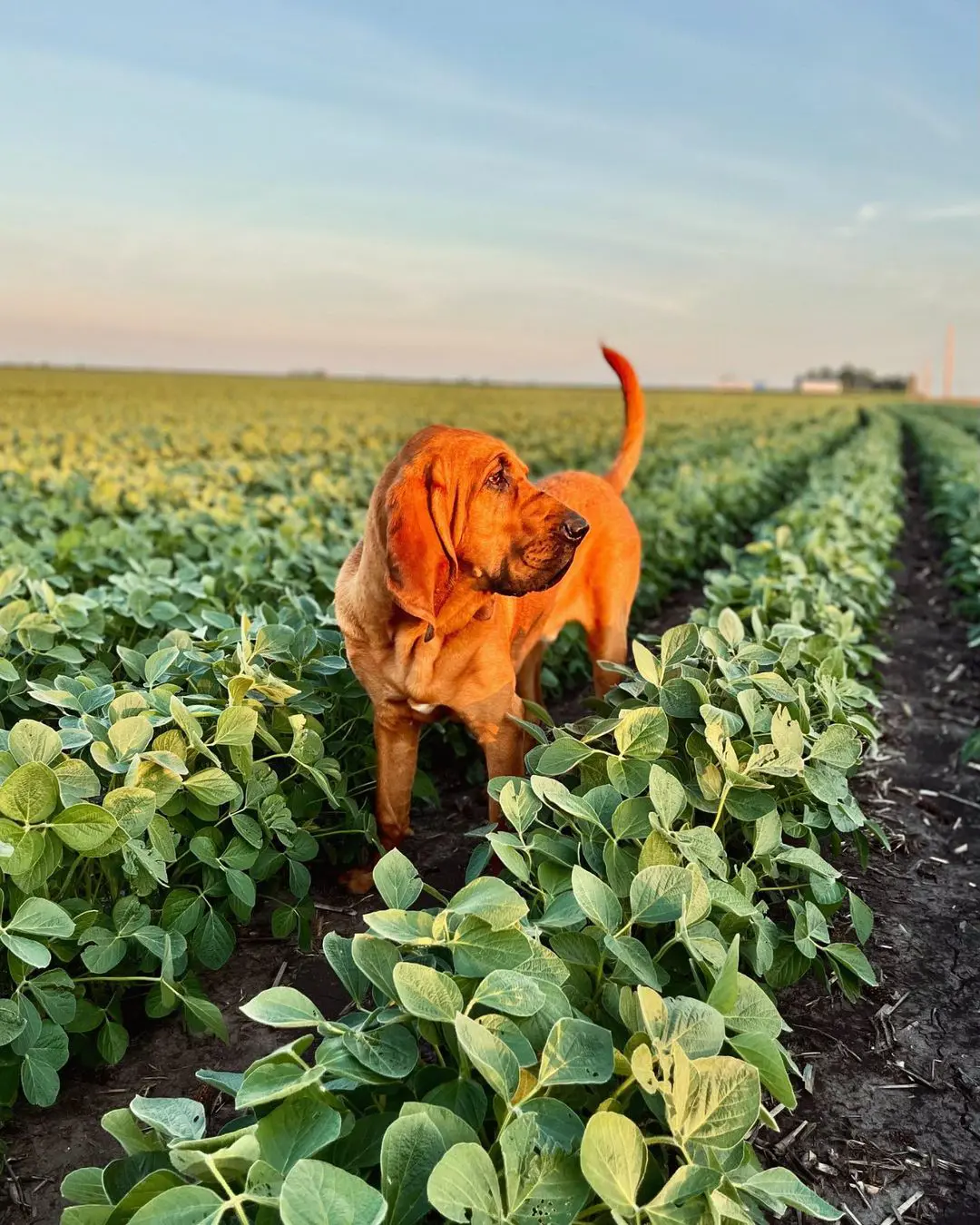
The Bloodhound dogs are majestic creatures with impressive stature and generally boast robust health. However, at time they may be susceptible to some issues as listed below:
- Hip Dysplasia - A genetic condition where the hip joint doesn't develop properly, leading to discomfort and mobility issues.
- Entropion - A condition where the eyelids roll inward, causing irritation and potential damage to the eye.
- Ectropion - The opposite of entropion where the eyelids roll outward, resulting in eye exposure and potential irritation.
- Gastric Dilatation Volvulus (GDV) - Commonly known as bloat, this is a serious condition where the stomach fills with gas and twists, requiring immediate veterinary attention.
- Otitis Externa - Ear infections can occur due to the Bloodhound's large, droopy ears, especially if they are not kept clean and dry.
- Skin Allergies - Bloodhounds may be prone to allergies, which can manifest as itching, redness, and irritation of the skin.
Note: Bloodhounds are notorious for their drooling tendencies which can be attributed to their loose, pendulous lips and jowls. This breed's drooling propensity stems from their anatomy and genetics rather than any health issues.
High Maintenance Dogs
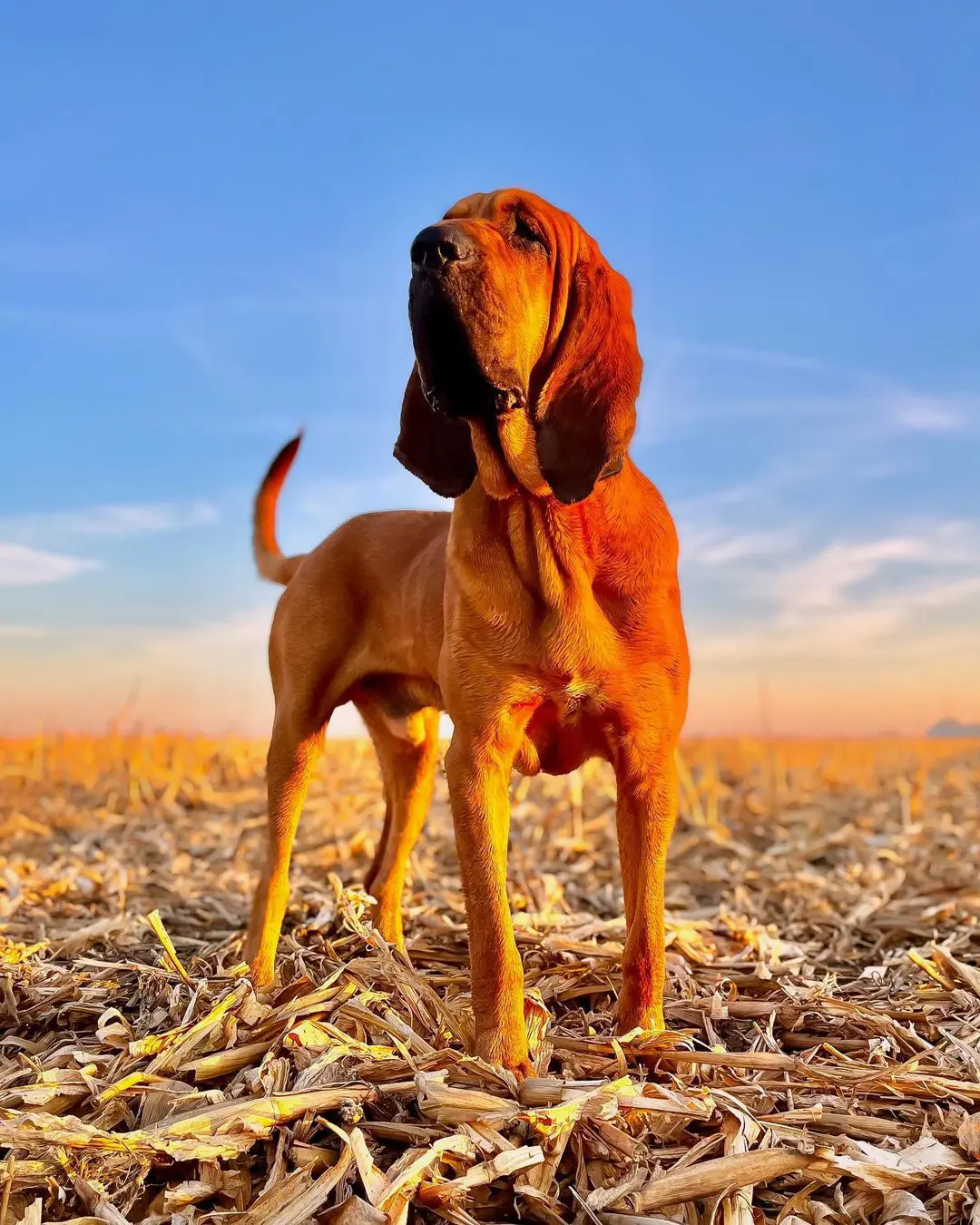
Bloodhounds can be considered high-maintenance dogs due to several factors. Firstly, they have a strong instinct for tracking scents, requiring ample mental and physical stimulation to prevent boredom and destructive behavior.
Additionally, their drooling tendencies necessitate regular cleaning to maintain cleanliness and prevent odor. Grooming their dense, short coat is relatively straightforward, but their long ears require frequent cleaning to prevent infections.
Care For The Bloodhounds
Caring for a Bloodhound involves several key aspects to ensure their well-being and happiness.
Grooming
1. Daily Brushing - Use a soft-bristled brush to remove loose hair and debris from your Bloodhound's coat. This helps minimize shedding and keeps their fur clean and healthy.
2. Ear Care - Check your pup's ears daily for any signs of wax buildup, redness, or irritation. Use a veterinarian-recommended ear cleaning solution and cotton balls to gently clean the ears and prevent infections.
3. Drool Management - Bloodhounds are notorious for their drooling, so keep a clean cloth or towel handy to wipe their mouth throughout the day. This helps prevent skin irritation and keeps them comfortable.
4. Bathing - Bathe your pup as needed, typically every 4-6 weeks or when they become dirty or smelly. Use a gentle dog shampoo formulated for their coat type and rinse thoroughly to remove all soap residue.
Feeding
Offer high-quality, age-appropriate dog food in two meals per day to maintain a healthy weight. Ensure access to fresh water at all times.
Mental Stimulation
Provide puzzle toys, scent games, or training activities to keep their minds engaged and prevent boredom.
Health Check
Regularly inspect your Bloodhound for any signs of illness or injury. Schedule annual vet check-ups for vaccinations, dental care, and overall health assessments.
Before Buying Or Adopting A Bloodhound
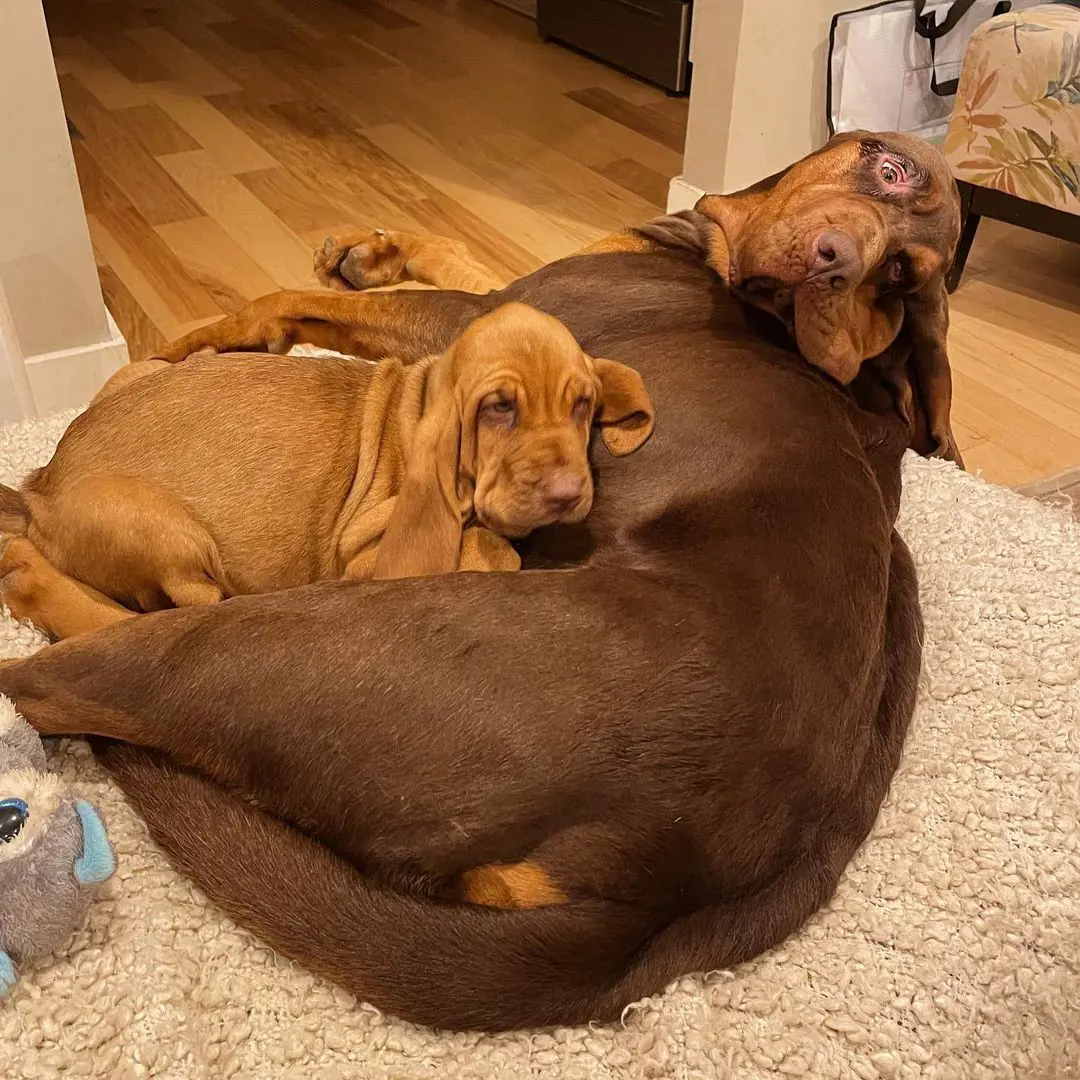
- Buying Price: $500 - $1,200
- Adoption Fee: $100 - $350
For any pet enthusiast who is hoping to get yourself a Bloodhound, it is crucial to find reputable breeders who prioritize the health and well-being of their dogs. Here are some organizations and resources that can help:
1. American Kennel Club (AKC): The AKC is a well-known organization that maintains a list of breeders who adhere to their standards and guidelines for responsible breeding practices.
2. Bloodhound Club of America (BCA): This national club for Bloodhounds can provide valuable information and referrals to reputable breeders who are members and follow the club's code of ethics.
3. United Bloodhound Club (UBC): Another organization dedicated to promoting the breed, the UBC may have breeder referrals and resources for those interested in acquiring a Bloodhound.