

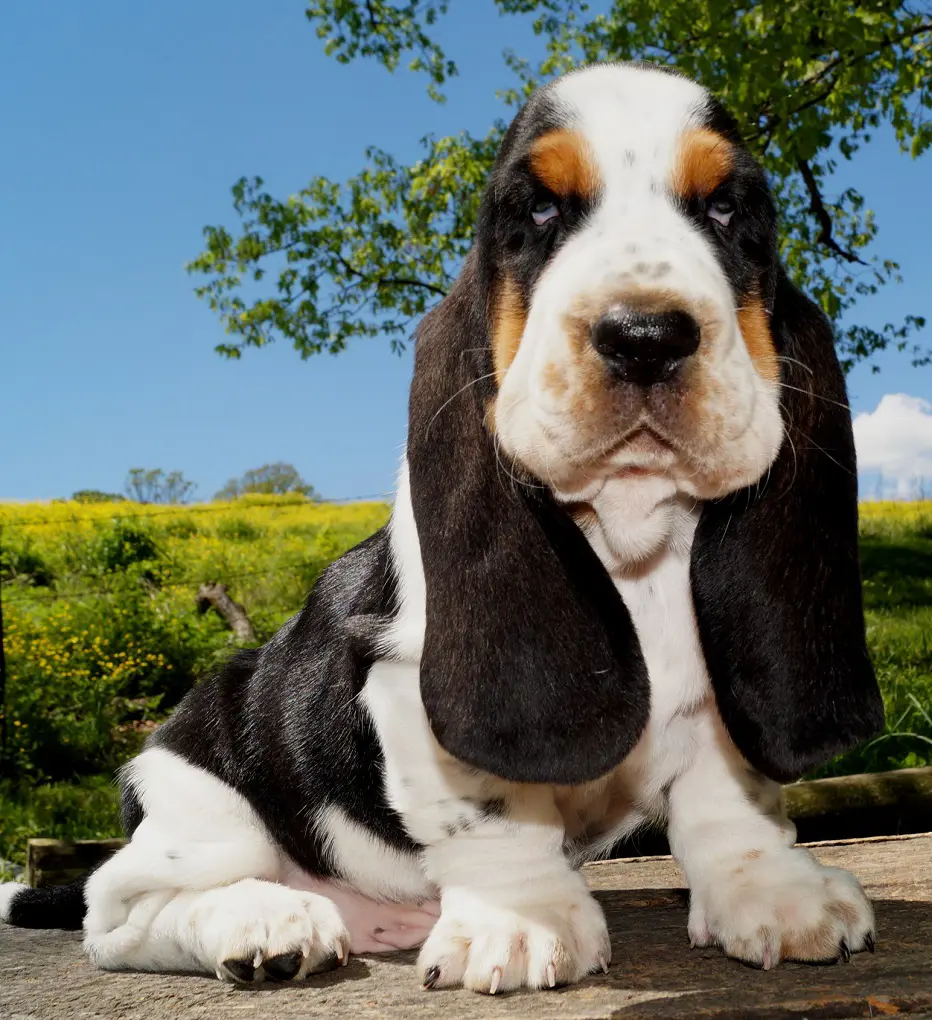
The Basset Hound is a unique breed with long ears, drooping eyes, and an innocent look. They originated in France to hunt small prey, such as rabbits, by making use of their keen sense of smell and low-lying physique.
Basset Hounds are remarkably resilient and can follow odors for extended periods, even though their legs are short. They are wonderful friends because of their kind and amiable nature. Their independence, meanwhile, can make training difficult.
Overview of the Basset Hound Dog
Here is an overview of the dog breed Basset Hound:
- Origin: France
- Size: Medium; typically 20-35 kg (45-70 lbs)
- Height: 28-38 cm (11-15 inches)
- Lifespan: 10-12 years
- Coat: Short, smooth, and dense
- Color: Variety of colors, often tri-colored (black, white, tan)
- Distinctive Features: Long ears, droopy eyes, wrinkled skin
- Temperament: Gentle, friendly, affectionate, loyal
- Exercise Needs: Moderate; daily walks and playtime
- Training: Stubborn, requires patience and consistency
- Grooming: Regular ear cleaning, brushing, and skin care
- Health Concerns: Ear infections, obesity, hip dysplasia
- Best For: Families, single owners, apartments, houses
- Purpose: Originally hunting; now mainly companionship
- Special Skills: Exceptional scent-tracking ability
History of Basset Hounds
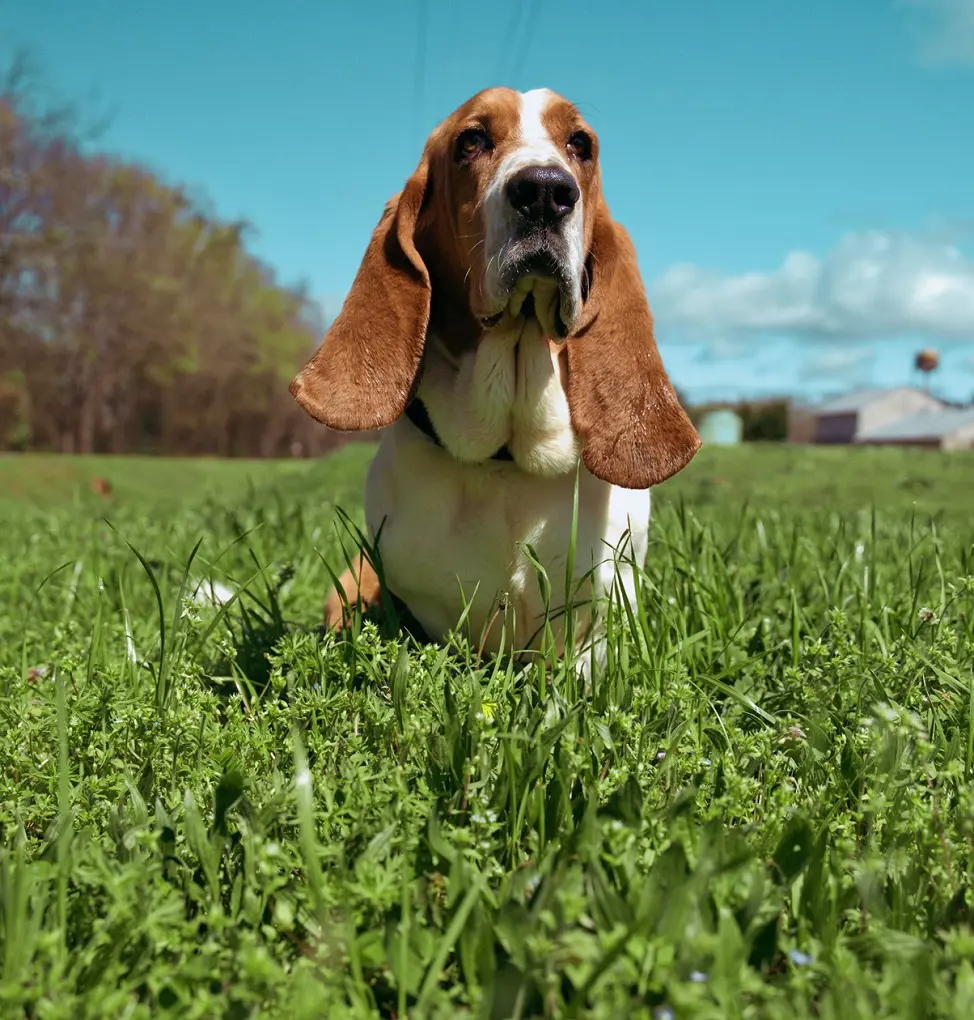
The Basset Hound has a lengthy history that dates back to France in the sixth century. They were highly valued for their ability to hunt on foot in deep undergrowth, especially for rabbits and foxes.
It is believed that these short-legged hounds were descended from St. Hubert's Hounds, maybe through a mutation in Norman Staghounds.
In the 16th century, the first accounts of "Basset"-type dogs appeared, and by the 18th century, French nobles were fond of them. The popularity of the Basset increased as hunting shifted from horseback to foot after the French Revolution.
The late 19th century saw a boom in interest in the breed on the other side of the English Channel. The English Basset, as opposed to its French cousin, was largely established in 1866 thanks to the importation of Basset Normands by Lord Galway.
Acknowledged by the American Kennel Club in 1885, the Basset Hound's distinct blend of exceptional hunting skills, amiable disposition, and distinctively drooping eyes cemented its status as a cherished breed across the globe.
Characteristics of Basset Dog
These small dogs have distinct characteristics that add to their appeal. Some of such features include:
Lowrider Stance
The lowrider stance of the Basset Hound is one of its distinguishing features. Their distinct physique, which consists of long backs and small legs, has various benefits for their historical function as scenthounds.
Their lengthened back gives them plenty of room for robust lungs, which are essential for trailing prey over long distances, and their lower center of gravity makes it easy for them to move through dense undergrowth. But it's crucial to keep in mind that this cute body also poses a possible health risk.
For Basset Hounds, it is imperative to maintain a healthy weight since too much strain on their lengthened backs can result in intervertebral disc damage.
The Drool Factor
The tendency of the Basset Hound to drool is one of its cutest, but perhaps messy, traits. This is a result of their distinct anatomy rather than just a quirk. Their mouth and jowls are covered in loose skin, which collects saliva in pockets and causes frequent dribbles.
Their long, floppy ears can also block airflow around the mouth, which increases the production of saliva. Although this characteristic might not appeal to everyone, the Basset breed has an innate charm.
Having a drool cloth on hand becomes a little inconvenient for loyal owners who enjoy the company of these adorable hounds.
Velvety Ears
The Basset Hound's distinctive silky ears add more to its appeal than just a little. These lengthy, floppy appendages have two very important functions. First of all, their huge surface area serves as a smell trap, gathering and directing odor particles straight into the dog's keen nose.
This improved scenting skill comes in very handy when they're hunting. Second, the velvety, soft texture shields the ears from trash and thorns that are often encountered when hunting animals through deep foliage.
The velvety ears of the Basset Hound are essentially a practical wonder that is ideally suited to their scenthound ancestry.
Short and Sweet Coat
Their coat is as carefree as their disposition. These hounds have short, sleek coats, in contrast to breeds with long, flowing hair. This means that there is less need for grooming. It only takes a few minutes a week, maybe twice a week, to brush your hair to keep it sleek and free of stray hair.
In addition to drying rapidly after bathing or being caught in the rain, their short fur also lessens the need for frequent grooming. Owners of Basset Hounds may spend more time with their cherished companion and less time grooming their dogs thanks to their low-maintenance coats.
Personality of Basset Hound Dog Breeds
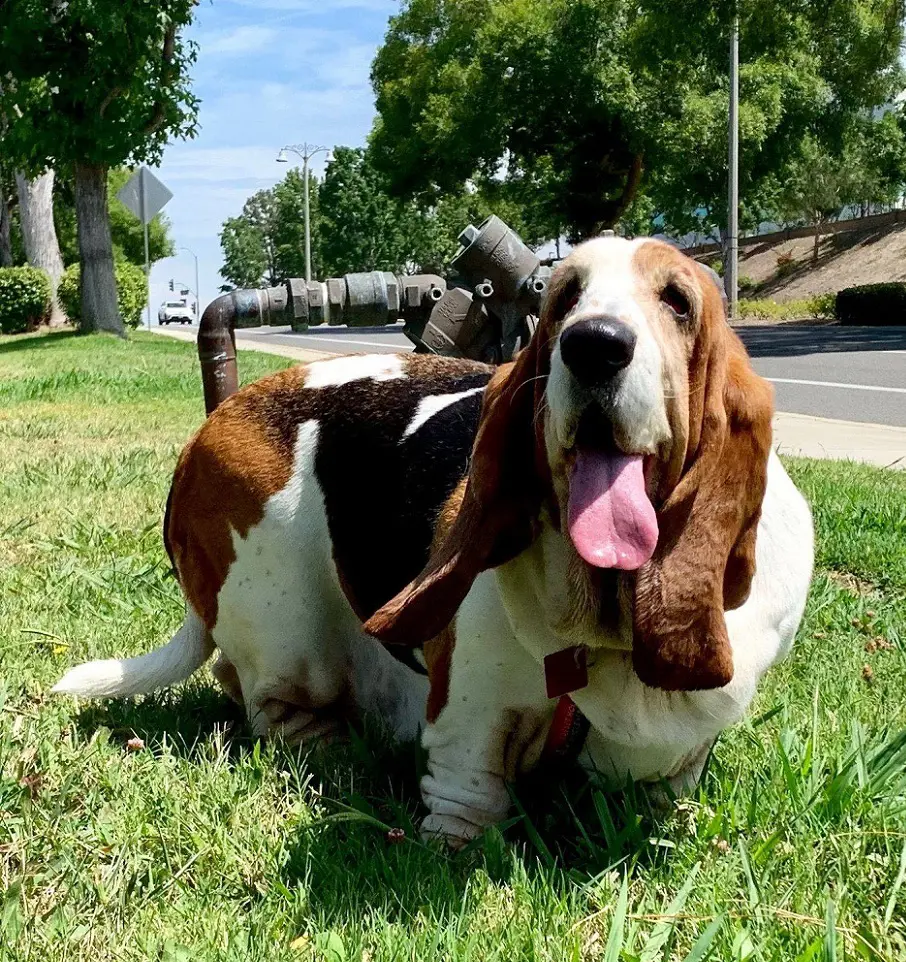
The following traits indicate the personality of Basset Hound dogs:
Gentle Giants
The outgoing personality of a Basset Hound personifies what it means to be a Gentle Giant. These hounds are quite gentle and level-headed, and they thrive on love and company.
They make excellent companions in many homes since they enjoy spending time with their families and are generally gentle with kids. They get along nicely with other animals in multi-pet households because of their kind disposition.
Despite the occasional glimpse of their hunting background, their general personality is one of calm and steadfast loyalty.
The Stubborn Streak
When it comes to personality, Basset Hounds have two sides to their tale: independence and dependency. During training, this same quality that sets them apart as hunters may come out as stubbornness.
Owners must exercise patience and positive reinforcement strategies as their minds are fixed on following intriguing odors and their wishes.
Conventional orders might not always work right away, but innovative training techniques that play on their fondness for food and praise can successfully channel their independent nature into obedient behavior.
The Vocal Chord
A distinctive sound made by Basset Hounds is frequently referred to as a "bay." It is through this distinctive, loud bark that they communicate primarily. Although not a sign of violence, their tendency to bark requires appropriate training to avoid making too much noise.
Treating excessive barking requires an understanding of the motivations behind the vocalizations, such as excitement, boredom, or warning of impending danger.
Owners of Basset Hounds can create clear communication and sustain a calm home environment by using consistent training techniques that emphasize positive reinforcement.
Caring and Grooming of Basset Hound
Given their kind disposition and easy-care coat, basset hounds might seem like carefree companions. To maintain their health and well-being, though, their special physical characteristics call for particular maintenance procedures.
Bathing: Considering their propensity for oily skin and potential yeast overgrowth, Basset Hounds, in contrast to many other breeds, benefit from routine baths, usually every 1-2 weeks. It is advised to use a medicated or hypoallergenic shampoo designed for sensitive skin.
Ear care: Moisture and infection thrive in their long, floppy ears. Cleaning once a week with a solution suggested by a veterinarian is crucial. It's also essential to regularly check for redness, odor, or discharge.
Nail Trimming: Regular nail trims are essential to avoid overgrown claws, which can be uncomfortable and affect one's walk. It is advised to use appropriate clippers made for large dogs because of their thick nails.
Training
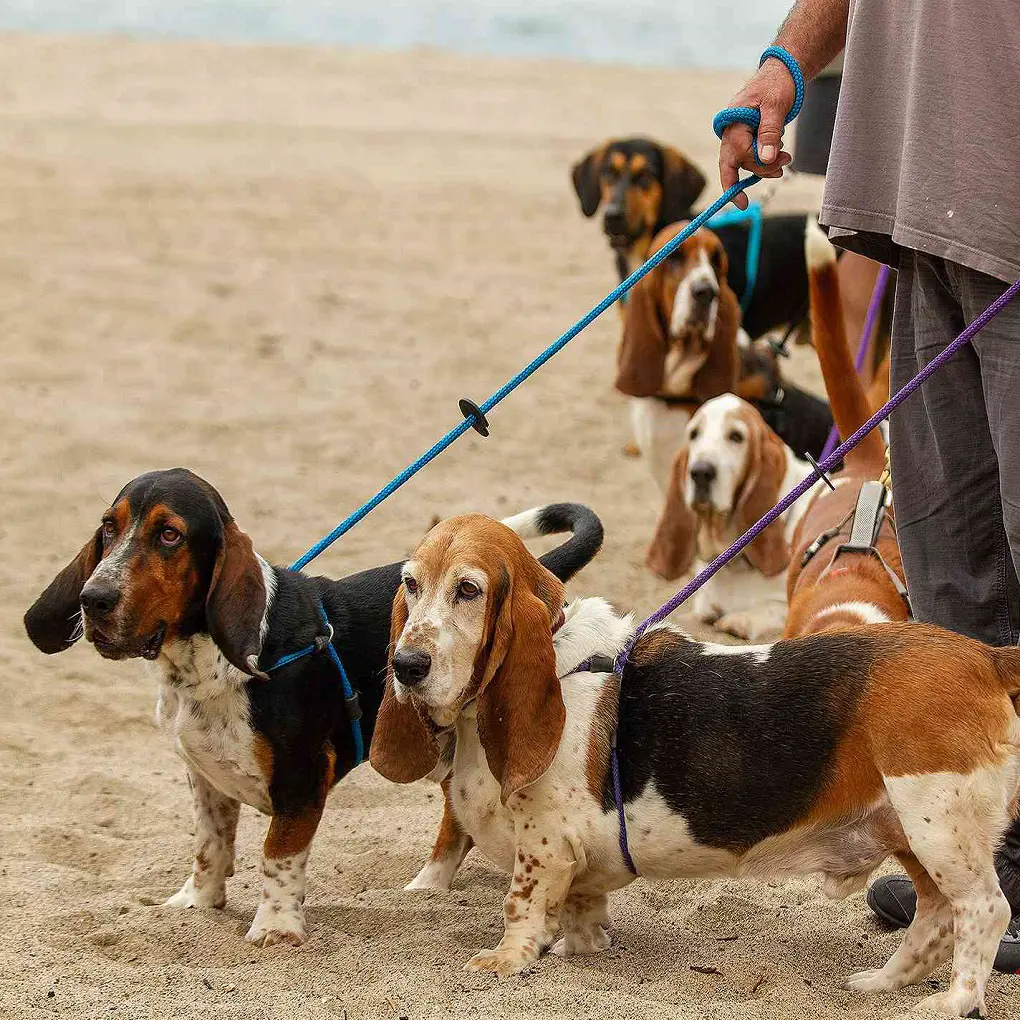
Despite their overwhelming appeal, Basset Hounds have a strong sense of independence that comes from their scenthound ancestry. In training, this independence can often appear as stubbornness.
Achieving achievement requires the use of positive reinforcement. Due to their strong desire for food, Basset Hounds react incredibly well to praise and treats for excellent conduct. Training sessions should be brief, targeted, and held in a setting free from distractions to optimize their learning capacity.
Their keen sense of smell requires innovative training techniques. Using a harness and leash training is essential to controlling their inclination to follow scents when out on walks.
Furthermore, providing interactive toys and scent games to stimulate their keen noses gives them the mental stimulation they require to remain focused and happy during training.
Exercise
Despite their easygoing nature, Basset Hounds nevertheless need to engage in moderate daily activity to keep their physical and mental well-being. They need walks to maintain their exceptional sense of smell in addition to being physically fit.
Older Basset Hounds and hot weather can benefit from shorter, more frequent walks. Apart from strolls, playing in a fenced-in yard offers a secure environment where they may let off steam and indulge their innate curiosity. Fencing is vital because of their strong noses and propensity for roaming.
Puzzle feeders and scent games are great ways to keep their minds active. A Basset Hound that finds a balance between exercise and rest will be happy and healthy, combining their love of leisure with their need for activity.
Lifespan
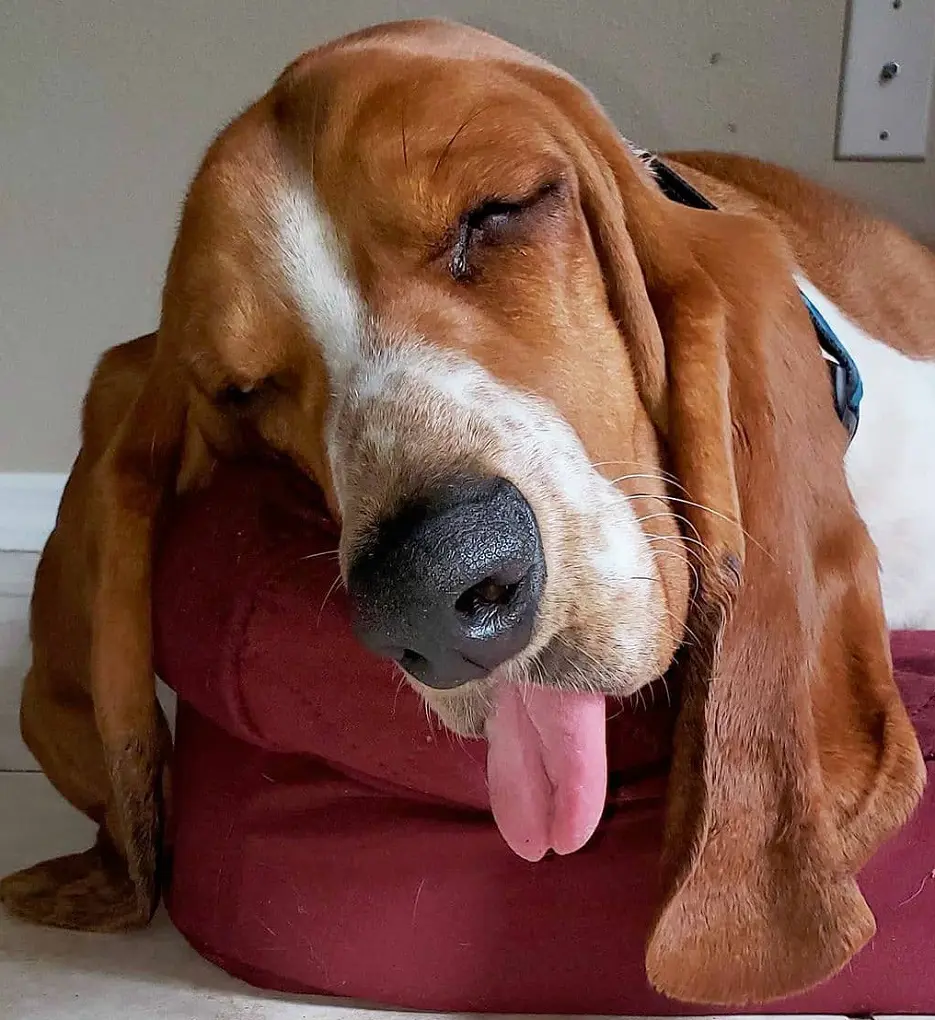
A Basset Hound typically spans between eight and twelve years. Some Basset Hounds, however, may outlive this average and live to be ripe old ages of 14 to 17 years old with the right care and a little bit of good fortune.
A Basset Hound's lifetime is largely determined by genetics, with some inherited diseases having the ability to shorten life spans. On the other hand, responsible pet ownership practices have a big impact on their well-being.
A well-balanced diet, frequent veterinary examinations, preventative healthcare measures, and upholding a healthy weight can all help a cherished Basset Hound companion live a longer, healthier life.
Nutritional Needs
Even with their easygoing nature, basset hounds have surprisingly high nutritional needs. It is essential to comprehend these needs to maintain optimum health and avoid the weight-related problems that are typical of this breed.
Nutrient Balance
A Basset Hound’s dietary requirements are based on a well-balanced diet that includes complex carbs, moderate fats, and high-quality protein. Lean meats and plant-based substitutes are excellent sources of protein, which is essential for the growth and repair of muscles.
Good fats, derived from certain plant oils or animal sources, help the body absorb vitamins and provide you with long-lasting energy. For these energetic dogs, complex carbohydrates, found in whole grains and vegetables, provide a consistent supply of energy.
Dietary Considerations
The dietary requirements of a Basset Hound are influenced by various factors. While older Basset Hounds may benefit from a lower-calorie, joint-supporting formula, puppies need a diet designed for growth.
For the treatment of any breed-specific health issues, such as allergies, that might require unique diet choices, speaking with a veterinarian is essential.
Common Health Problems
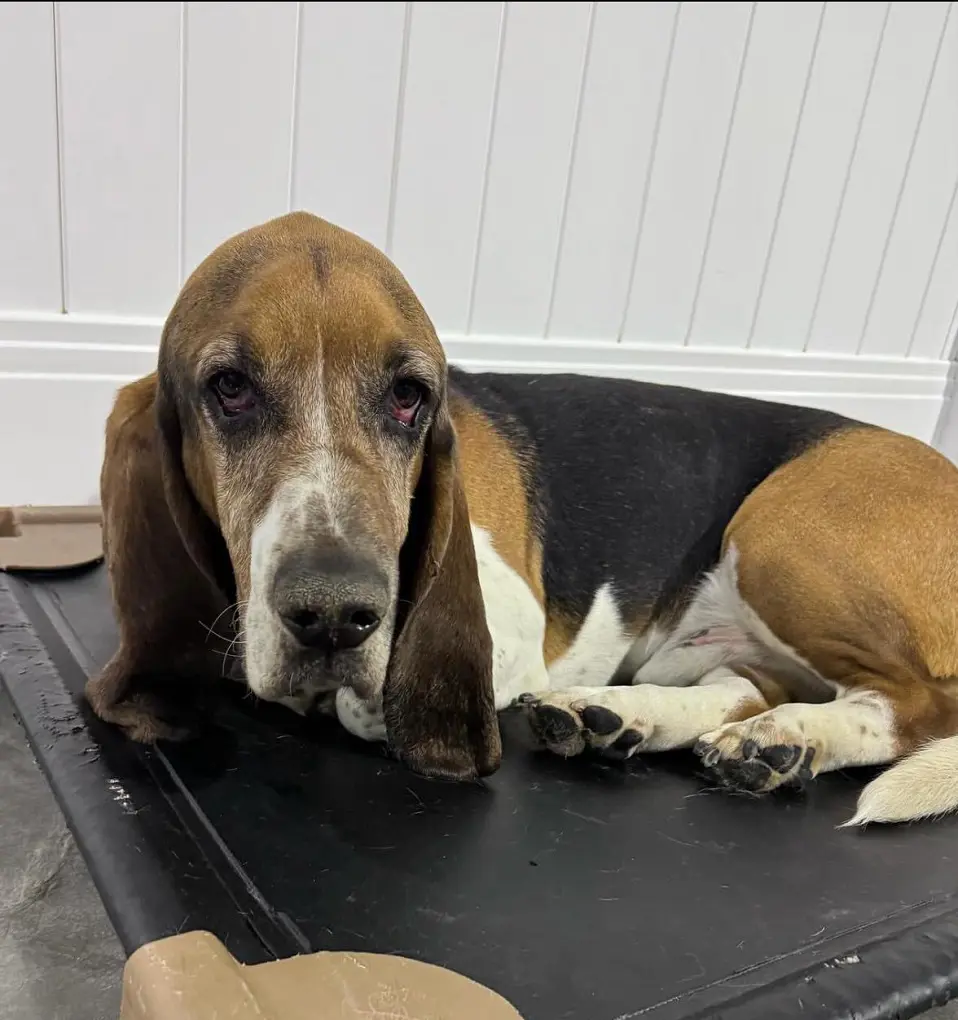
Like many purebred dogs, dog bassets might inherit specific health issues even though they are generally healthy. Before breeding, conscientious breeders check parent dogs for genetic markers as a preventative measure.
- Joint Dysplasia: This deformity of the joints can be painful and restrict range of motion. Surgery can be required in extreme cases to enhance your dog's comfort.
- Hypothyroidism: This disorder causes the body to produce insufficient amounts of vital hormones, which can cause weight gain, fatigue, and problems with the skin and coat. This illness can be efficiently managed with an early diagnosis and medication-assisted treatment.
- Glaucoma: This excruciating condition of the eyes builds up pressure inside the eyes and necessitates quick veterinary care. To protect vision, early detection and treatment are essential.
- Luxating Patella: This ailment results in the kneecap popping out of position, much like a human dislocated kneecap. Options for treatment change according to severity.
- Bleeding Disorders: Blood clotting can be impacted by diseases such as von Willebrand disease and platelet disorders. To reduce the possibility of bleeding, owners should take preventative measures.
Dog Breeds Basset Hound Facts
Remarkable Nose
Only the Bloodhound has a more keen sense of smell than Basset Hounds. Their noses are quite powerful; they have about 220 million scent receptors.
Because of their low body height and great sense of smell, they are excellent trackers that can detect and follow scents that are days old.
Hollywood Stars
There is a noticeable amount of Basset Hounds in popular culture. They have become favorites in TV series, films, and ads due to their distinctive, drooping look and melancholy eyes.
Famous Basset Hounds include the mascot of the shoe company Hush Puppies and "Flash" from the television show The Dukes of Hazzard.
Long Ears and Wrinkles
The loose, wrinkled skin and long, floppy ears of the Basset Hound are not just artistic features. They can track scents with the help of these features.
Their wrinkles trap the fragrance around their faces, making it simpler for them to follow a scent trail, while their long ears sweep the ground, releasing aromas.