

 Bristlenose Plecostomus, 2) Siamese Algae Eater, 3) Otocinclus Catfish, 4) Farlowella Catfish, 5) Chinese Algae Eater, and more.)
The lush greenery of algae in an aquarium can transform it into a vibrant underwater ecosystem, but unchecked growth poses risks to fish health. Algae formation is spurred by factors like excess light, nutrients, and poor water conditions.
Left uncontrolled, algae can harm the aquatic environment, deplete oxygen, and compromise the well-being of fish. Enter the unsung heroes of aquariums – algae-eating fish. Among them, the Reticulated Hillstream Loach stands out, effortlessly managing algae proliferation.
Here are some more algae eater fish that can solve the problem of overgrown algae.
1. Bristlenose Plecostomus
The Bristlenose Plecostomus is highly effective in controlling algae growth in aquariums. Known for its voracious appetite and bristle-like appendages, this algae eating fish grazes on various forms of algae.
Moreover, the Plecostomus efficiently tackles algae on plants, rocks, and glass. Another benefit of adding this algae feeder fish is that it is compatible with diverse tank conditions and can peacefully coexist with other species.
2. Siamese Algae Eater
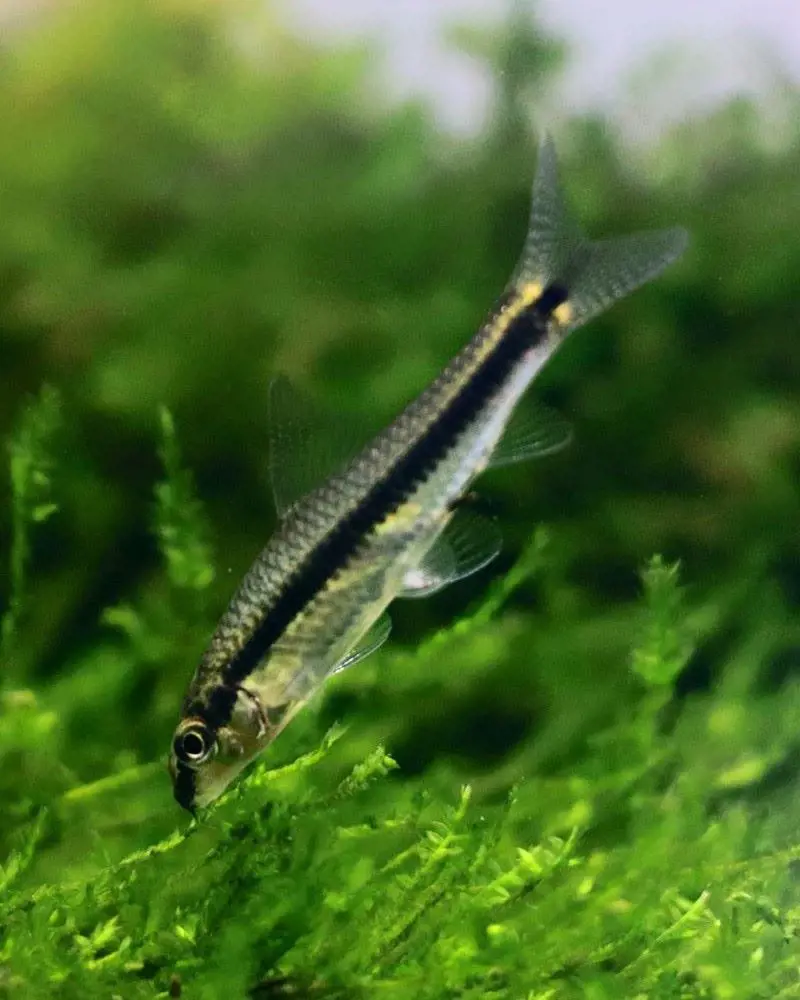
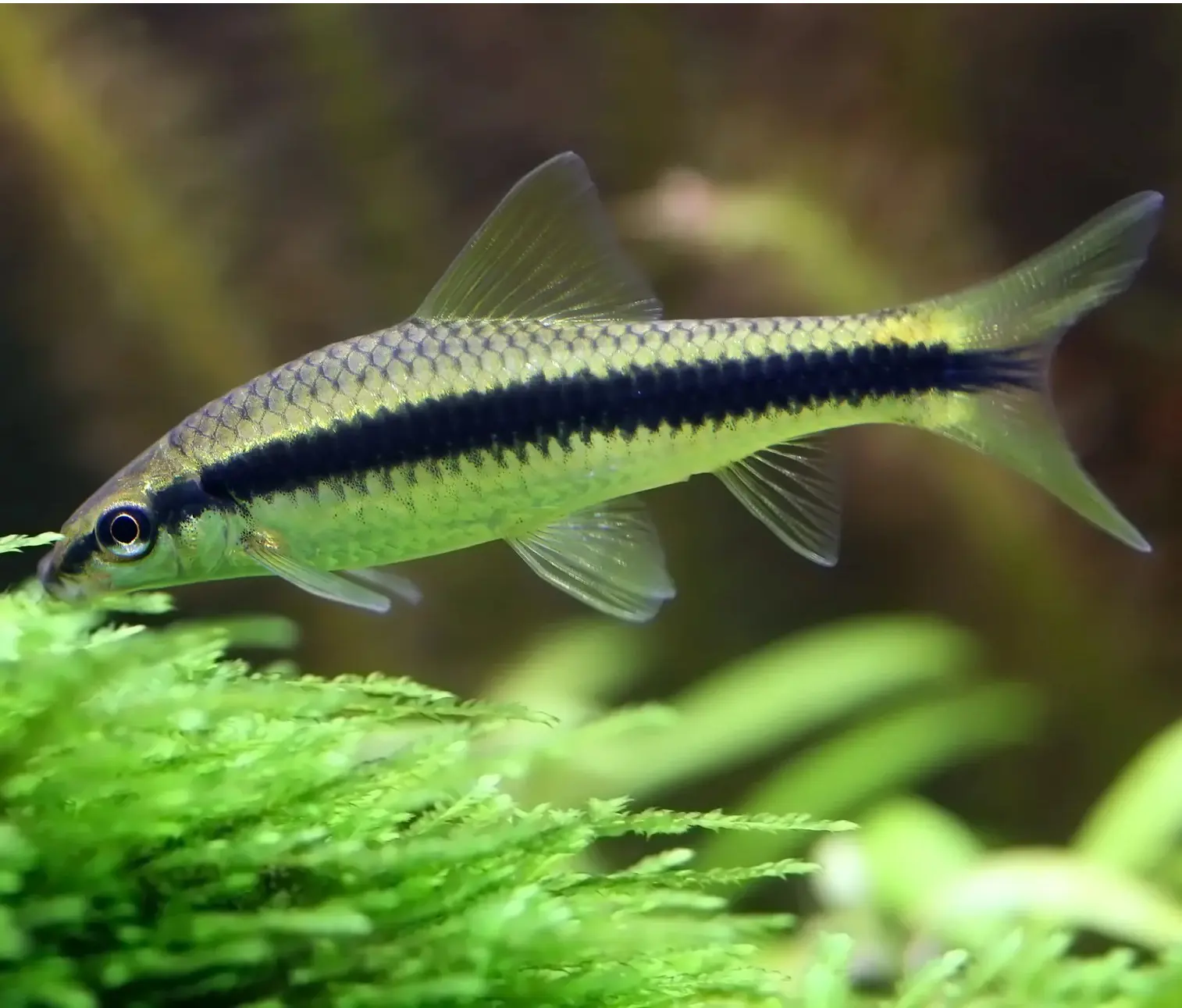
Contrary to its name, the Siamese Algae Eater (SAE) is omnivorous; it can consume algae, phytoplankton, and even zooplankton. Recognized for its algae-eating prowess, this fish is particularly effective in maintaining a clean tank by controlling algae growth on various surfaces.
Its hardy nature and compatibility with different tank conditions make it a popular choice among aquarists. Regularly feasting on unwanted algae, the SAE contributes to a well-balanced and aesthetically pleasing aquatic environment.
3. Otocinclus Catfish
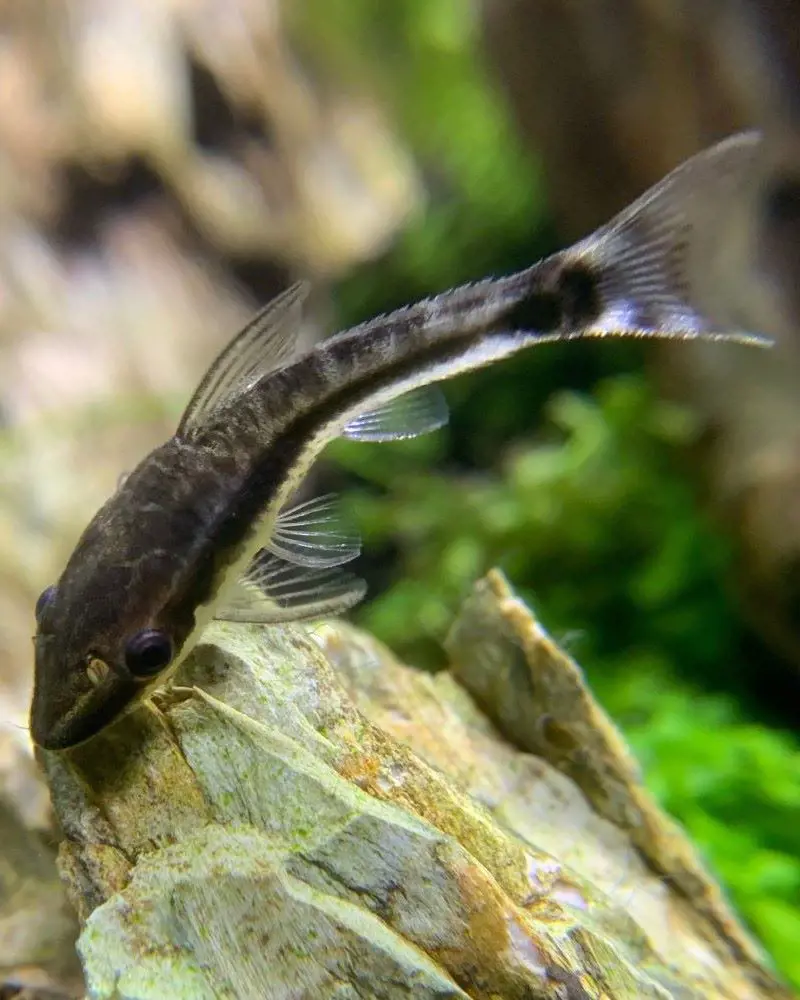
The Otocinclus Catfish is a small, peaceful freshwater fish renowned for its exceptional algae-eating abilities. With a big appetite for algae, these catfish thrive on maintaining aquariums free of unwanted algae growth and are considered some of the best algae eaters.
While their primary diet consists of algae, it's crucial to supplement their diet in captivity with quality fish foods to ensure optimal health. These social creatures prefer living in groups and exhibit a pacific temperament.
4. Farlowella Catfish
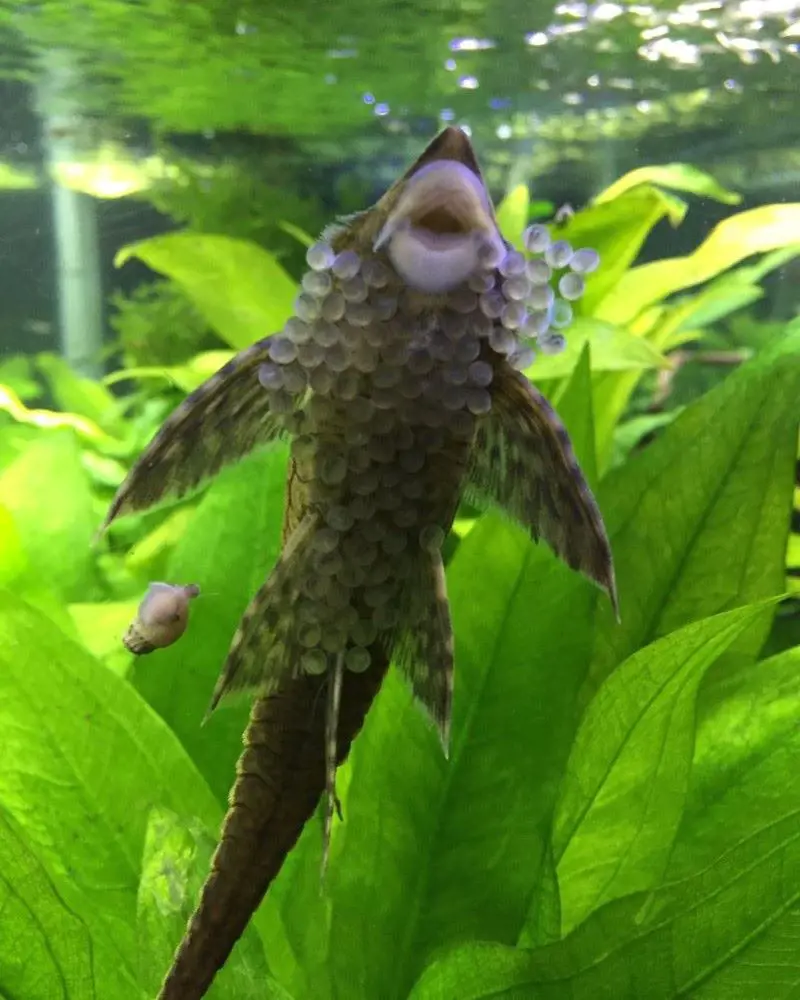
The Farlowella Catfish efficiently digests algae through its natural omnivorous diet. With a specialized mouth adapted for grazing, it easily consumes algae present in aquariums.
This catfish is adored for keeping tanks clean by feeding on excess algae. Pellets and algae wafers provide nutritious staples to these fish, supplementing their algae-rich diet.
5. Chinese Algae Eater
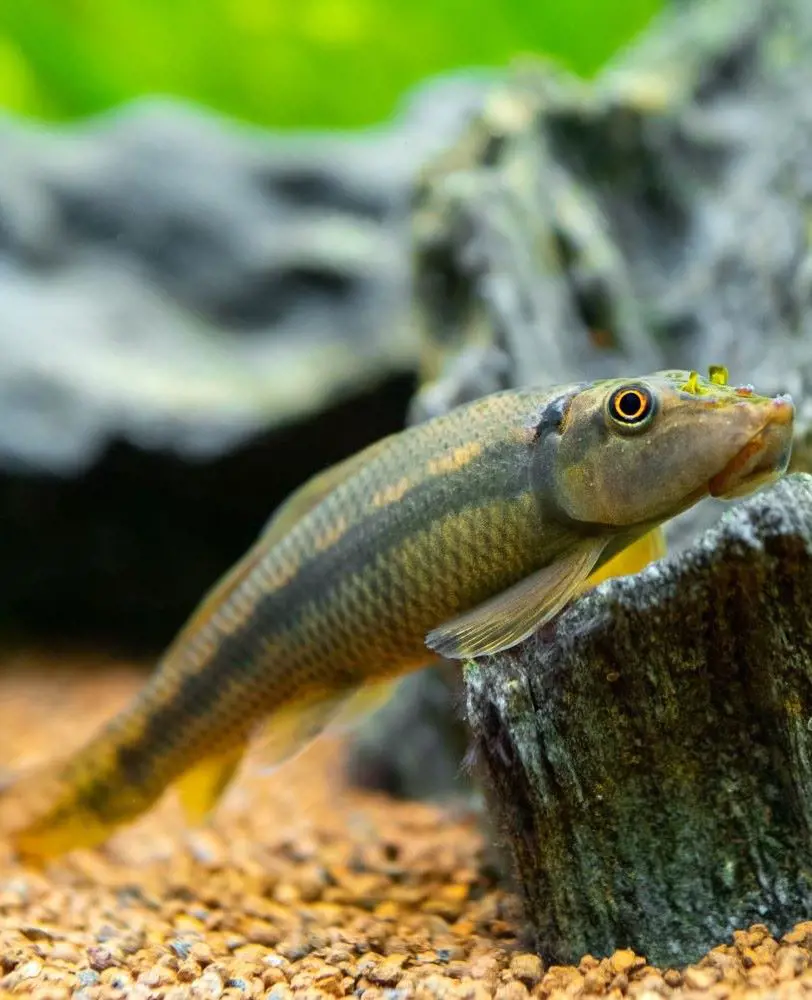
Also called the Gyrinocheilus aymonieri, the Chinese Algae Eater is considered a moderately effective algae eater and aquarium cleaner. While it consumes various types of algae, its efficacy depends on factors like tank size and maintenance
Additionally, this algae fish eater can also help control algae growth on glass, decorations, and plants. However, caution is advised as they may become aggressive as they mature, posing a threat to other tank mates.
6. Clown Plecos
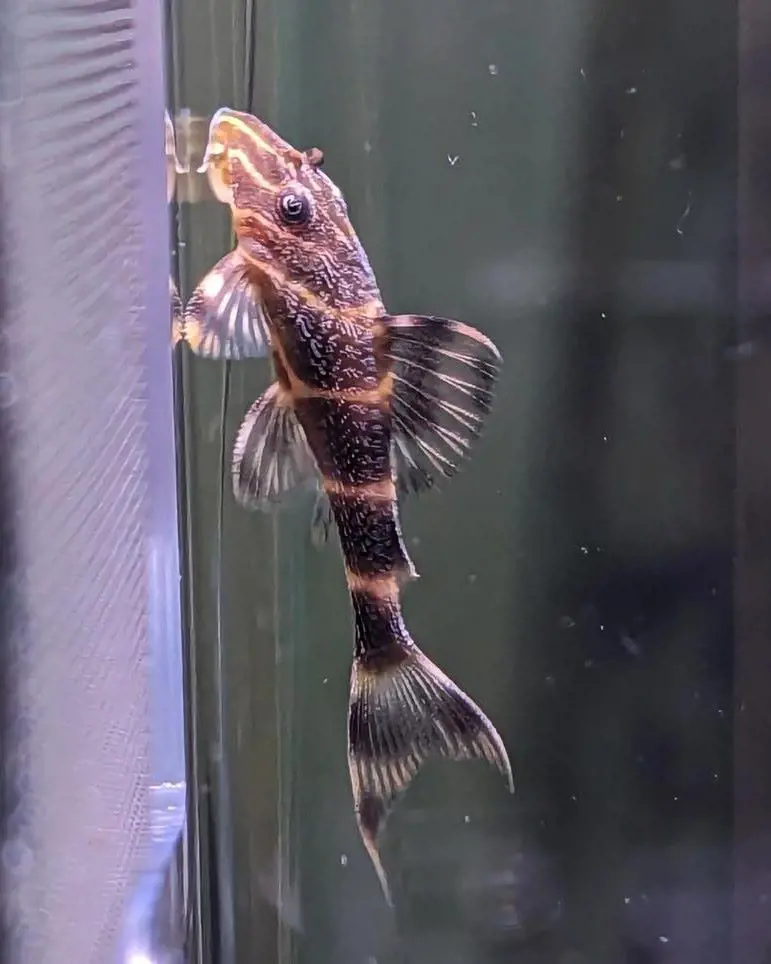
The Clown Pleco (Panaqolus maccus) is a freshwater fish known for its algae-eating abilities. It helps to control unwanted algae growth on aquarium surfaces, decorations, and plants.
Furthermore, its scavenging behavior aids in keeping the substrate clean by consuming leftover food and detritus. While primarily recognized for its ornamental value, the Clown Pleco serves as a valuable asset in the aquarium by promoting a visually appealing and well-maintained habitat.
7. Whiptail Catfish
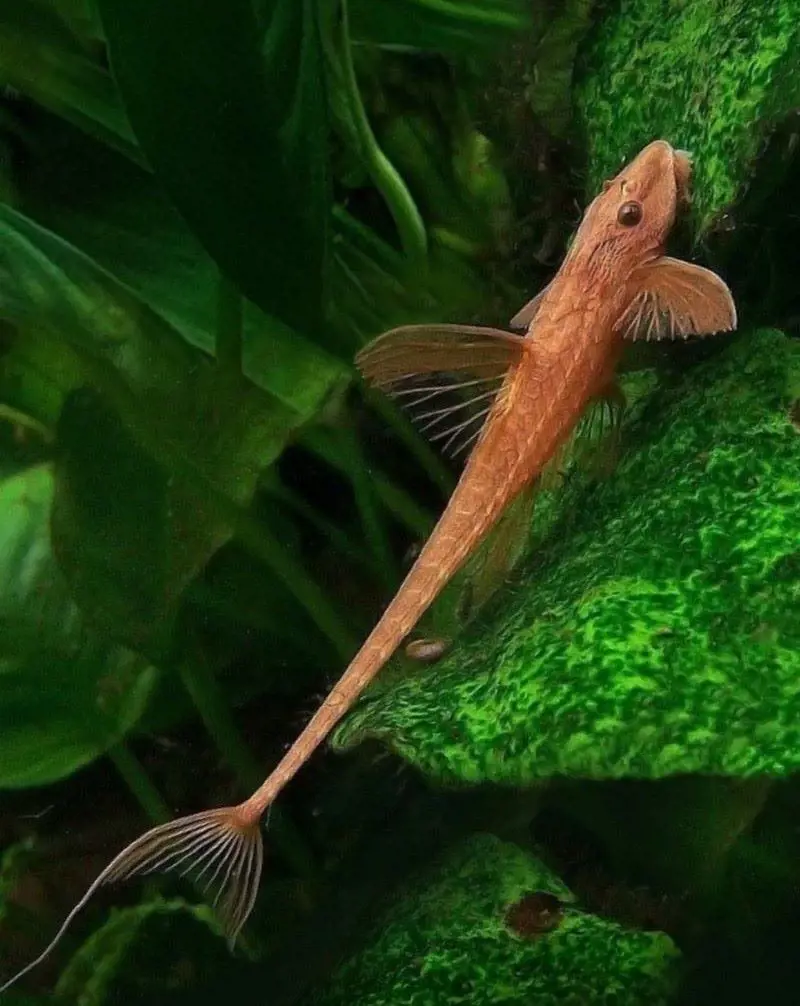
Characterized by its unique appearance with an elongated body and a whip-like tail, the Whiptail Catfish is an omnivorous species. Contrary to some misconceptions, they are not primarily algae eaters.
While this species often consumes algae, their diet leans towards being omnivores with a preference for carnivorous food. Catfish pellets, live or frozen foods like daphnia, and quality fish foods suit their dietary needs.
8. Amano Shrimp
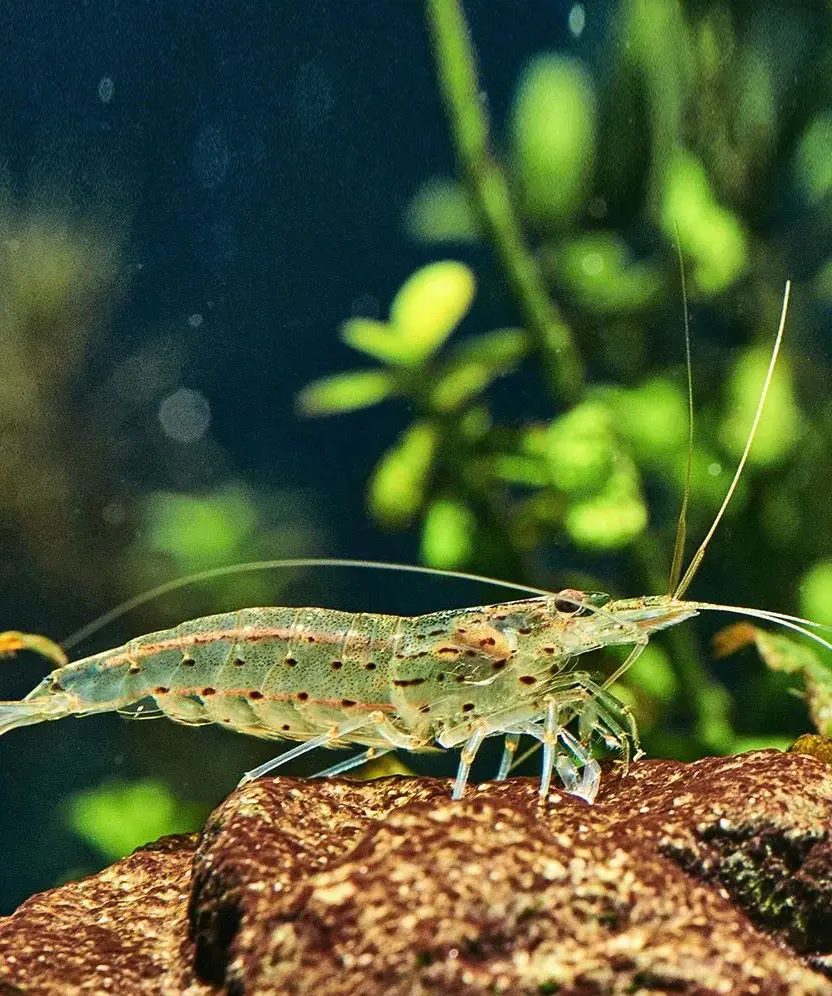
Amano Shrimp, renowned for their algae-consuming behavior, possess specialized digestive mechanisms that facilitate efficient algae digestion. Their mouthparts are adapted to scrape and consume algae, providing a natural and effective method for controlling algae growth in aquariums.
Likewise, the Amano Shrimp has a voracious appetite for various types of algae. Their digestive processes break down algae into essential nutrients, promoting optimal health.
9. Twig Catfish
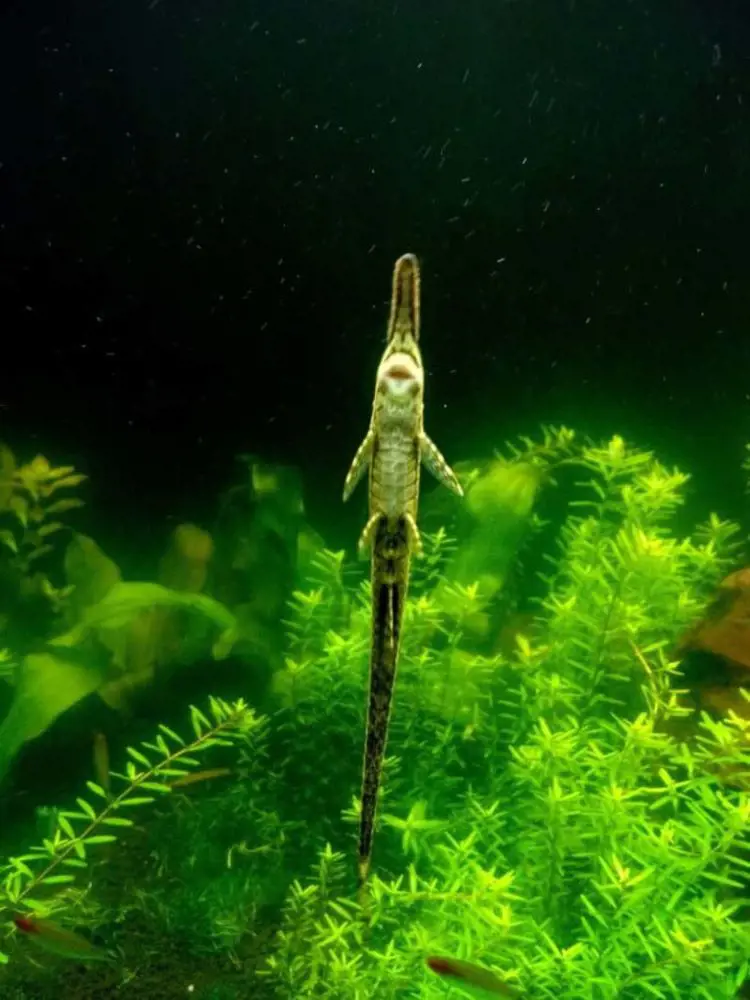
The Twig Catfish exhibits a distinctive appearance resembling slender twigs, featuring a long and thin body with a pronounced snout. This unique camouflage helps them blend seamlessly with their surroundings.
In addition to their intriguing appearance, the Twig Catfish also plays a significant role as algae eaters in aquariums. Native to freshwater habitats, they primarily feed on algae in the wild, making them valuable contributors to algae control.
10. Rubber Lip Pleco
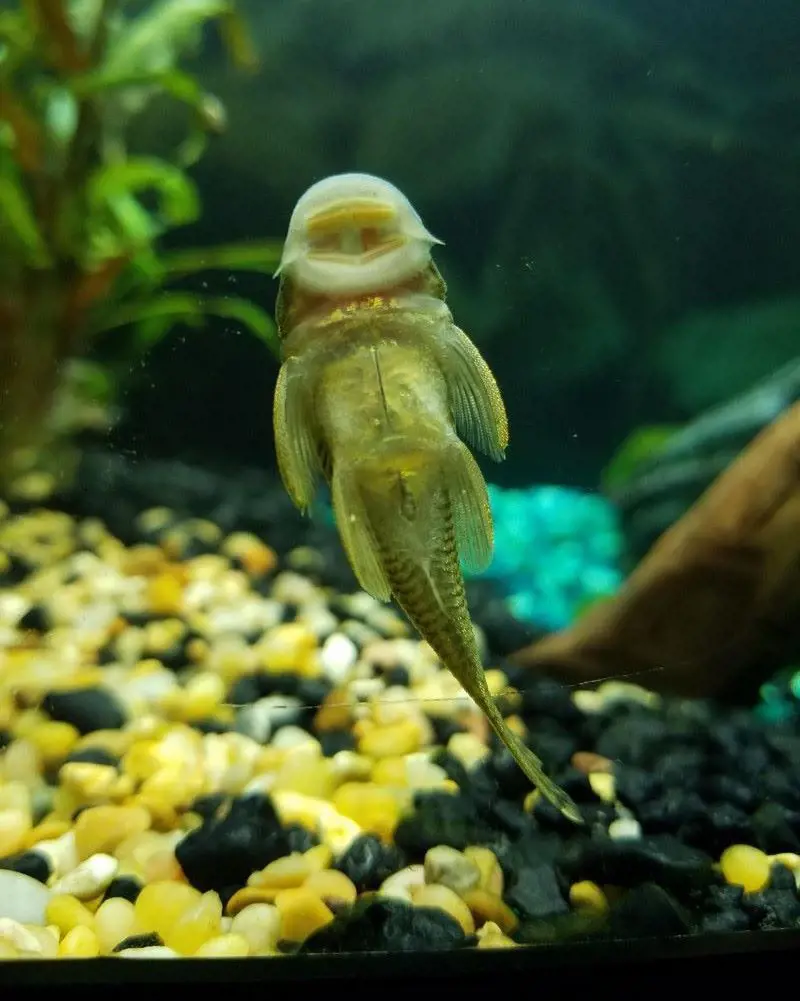
The Rubber Lip Pleco (Chaetostoma milesi) boasts unique lips that play a crucial role in its algae-eating habits. These specialized lips are adapted to feed on algae-covered surfaces in aquariums.
The distinctive shape and texture of the lips allow the Rubber Lip Pleco to effectively adhere to various surfaces, such as rocks and glass, while foraging for algae. The suction-like action generated by their lips aids in securing a firm grip on substrates, facilitating precise algae removal.
11. Hillstream Loach
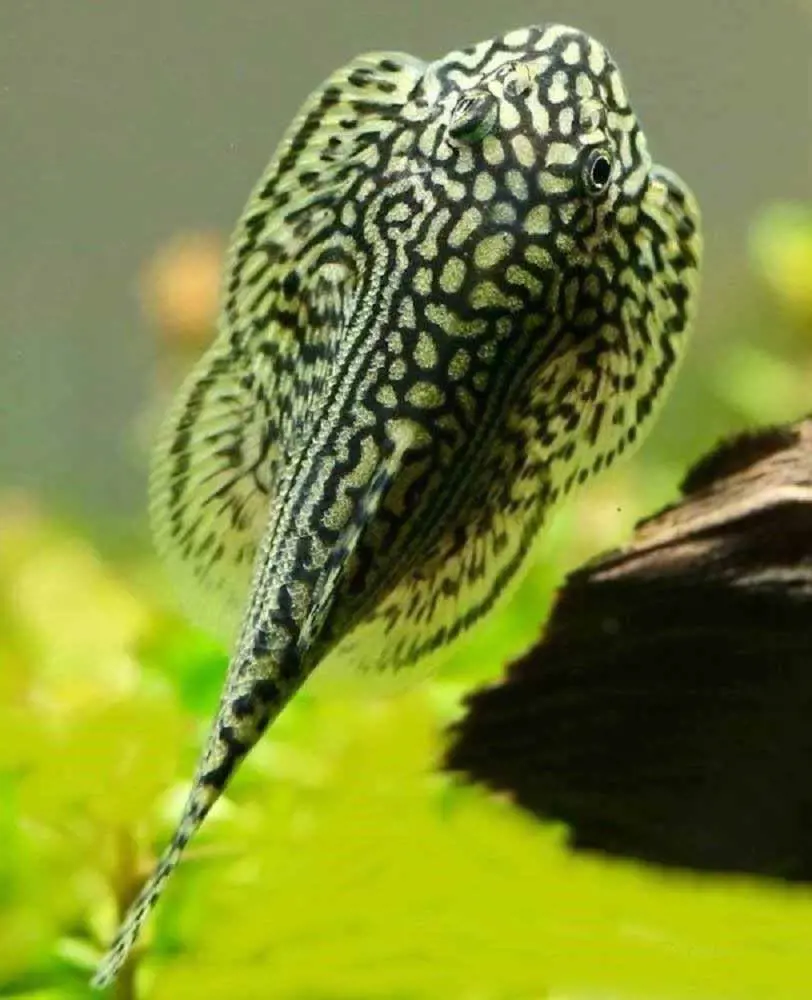
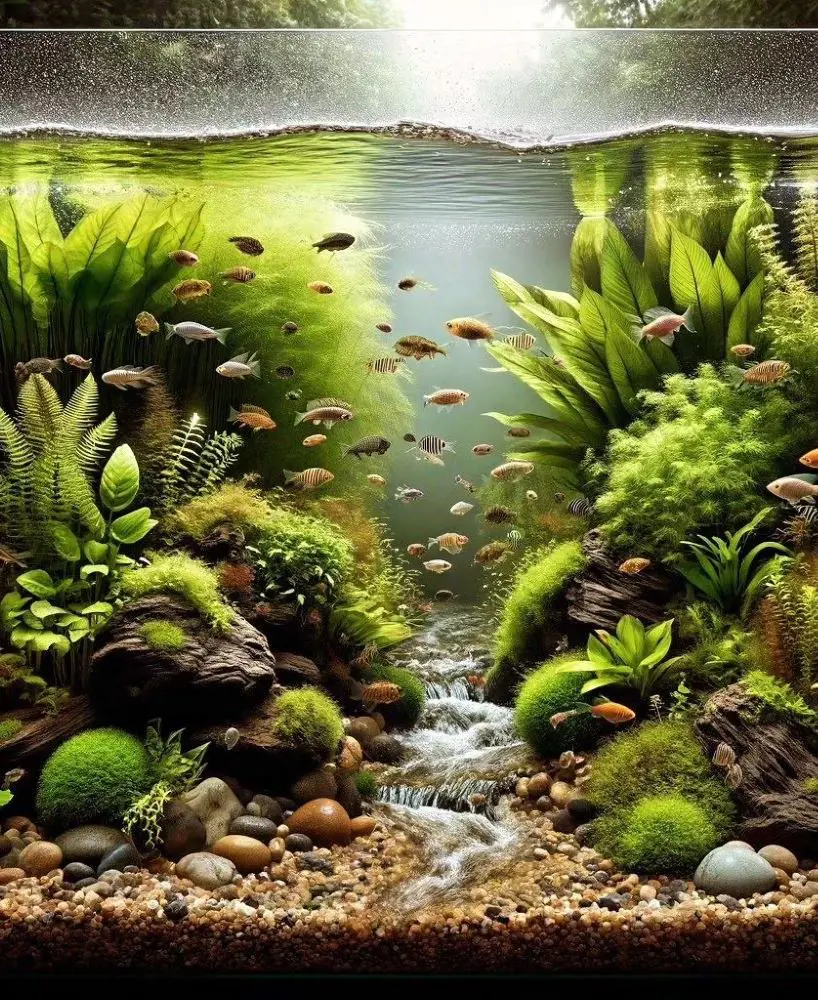
The Hillstream Loach (Sewellia lineolata) are good algae eaters and aquarium cleaners. With a preference for fast-flowing, well-oxygenated water, they primarily consume biofilm and specific types of algae.
Their efficiency in algae removal depends on tank conditions, and they may not be as potent as some other algae-eating species. Meanwhile, the loaches exhibit strong gripping abilities, using their mouths to scrape algae off surfaces such as rocks and plant leaves.
12. Golden Algae Eater
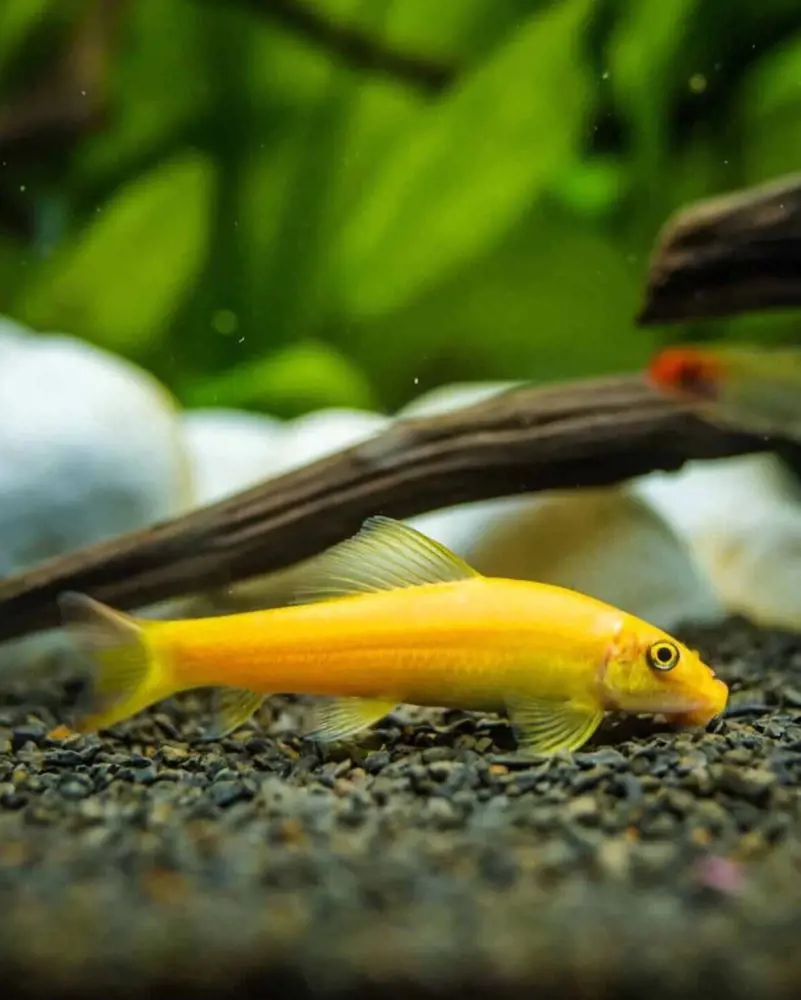
The Golden Algae Eater primarily consumes various forms of algae, including those on rocks, plants, driftwood, and aquarium glass. As predominantly herbivorous fish, they thrive on the algae that naturally grows in aquatic environments.
In the wild, their diet consists mainly of algae found on different surfaces, contributing to their role as effective algae cleaners. While algae serve as their main food source, these fish are also known to accept high-quality dry and frozen foods.
13. Red-Tailed Black Shark
Also called the Epalzeorhynchos bicolor, the Red-Tailed Black Shark is a striking freshwater fish. In its natural habitat, these fish that eat algae are omnivorous, consuming a varied diet that includes plants, insects, worms, and crustaceans.
While they may nibble on algae, it constitutes only a part of their overall nutritional requirements. In aquariums, their diet should be supplemented with high-quality pellets and flakes, considering their bottom-feeding nature.
14. American Flagfish
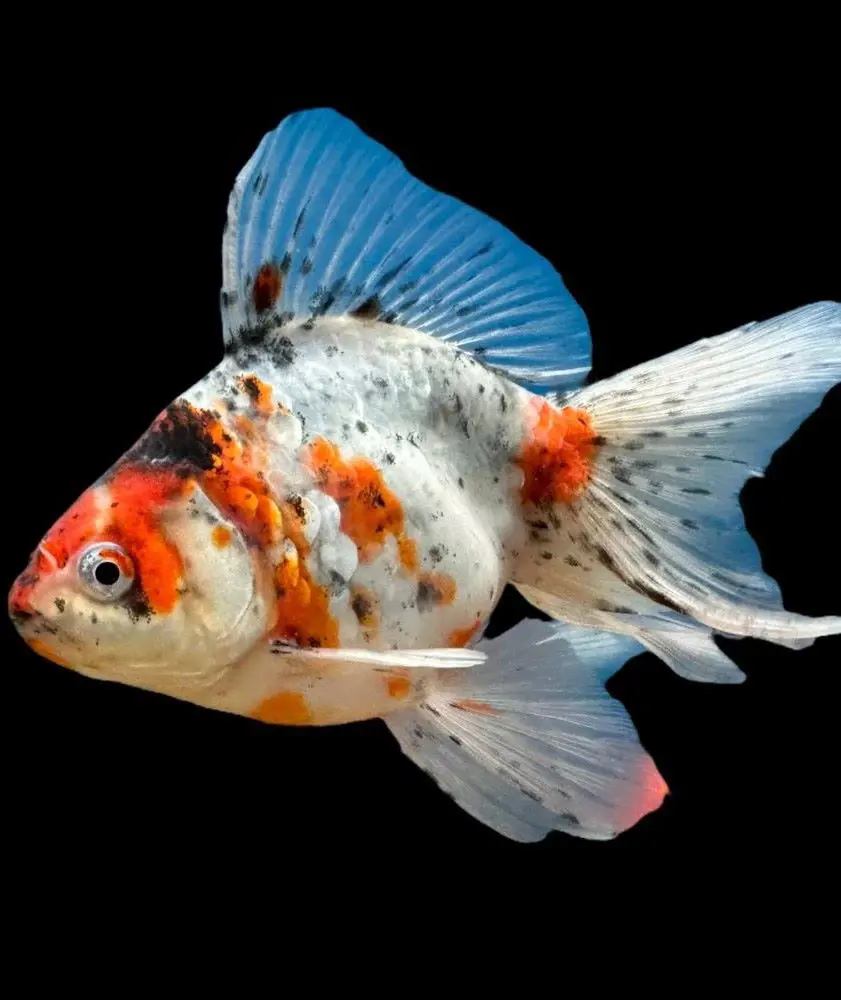
The American Flagfish has a unique appearance, consisting of vibrant colors and patterns resembling the American flag. Males display bold red and blue markings, creating a patriotic aesthetic.
Additionally, their importance as algae eaters stems from their craving for various types of algae, especially black beard algae. Recognized as one of the few species capable of consuming this pesky algae, the American Flagfish enhances visual appeal and effectively controls algae growth.
15. Mollies
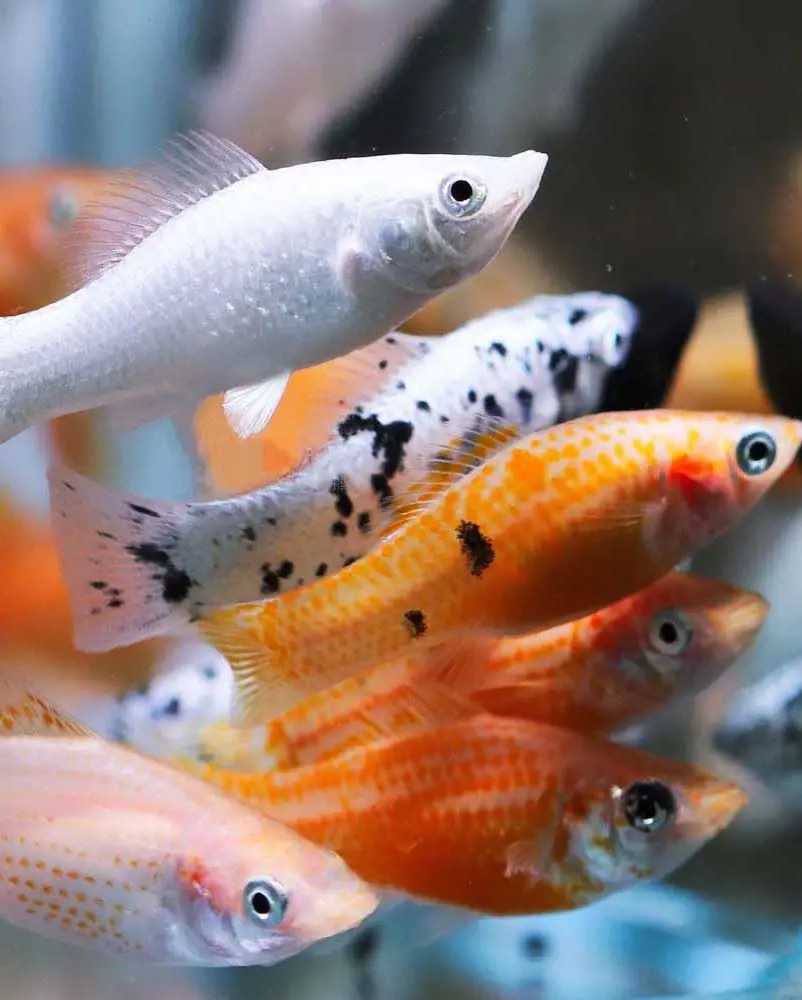
Certain subspecies of Mollies, such as the Black Molly, are known to feed on algae. Considered a peaceful and adaptable subspecies, this aquarium algae eater particularly targets tank algae.
Mollies are effective grazers, feeding on algae present on tank surfaces. Their diet consists of a mix of plant matter, algae, and invertebrates in the wild. Keeping Black Mollies in aquariums helps maintain a balanced ecosystem by curbing algae growth.
16. Rosy Barb
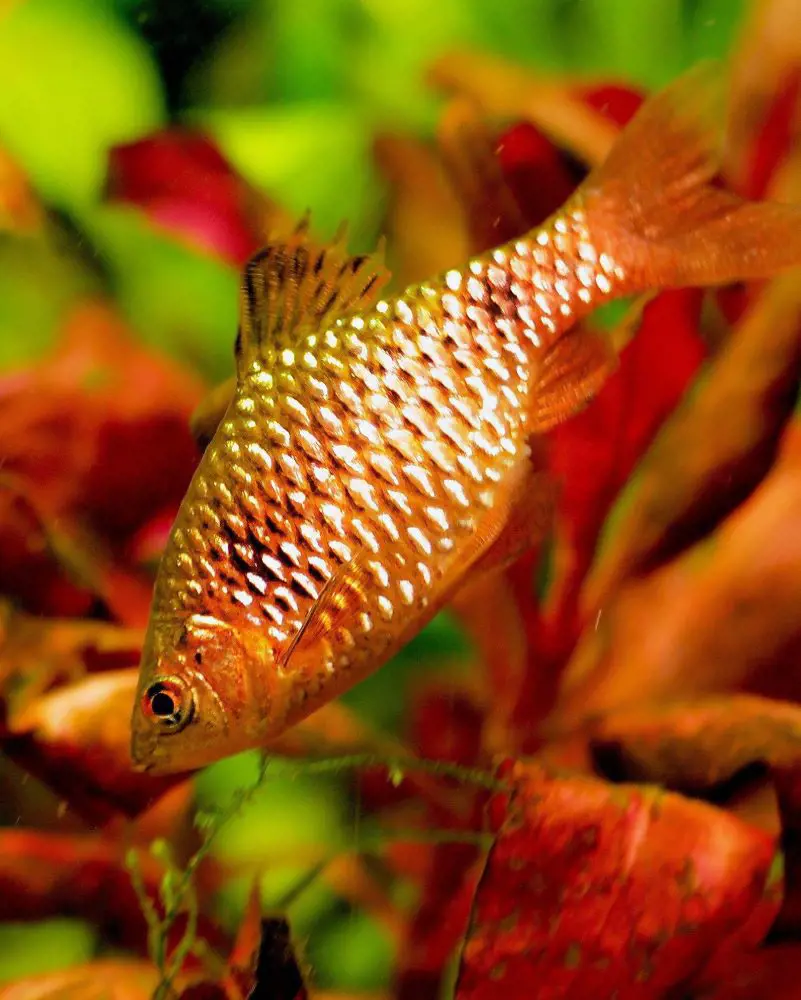
Rosy Barbs have a natural inclination towards algae consumption, contributing to their diet as omnivores. Their digestive system is adapted to process plant matter, including algae.
Rosy Barbs exhibit a behavior of picking and grazing on surfaces, which involves consuming algae. The structure of their digestive tract allows the efficient breakdown of algae, extracting nutrients essential for their well-being.
17. Cherry Shrimp
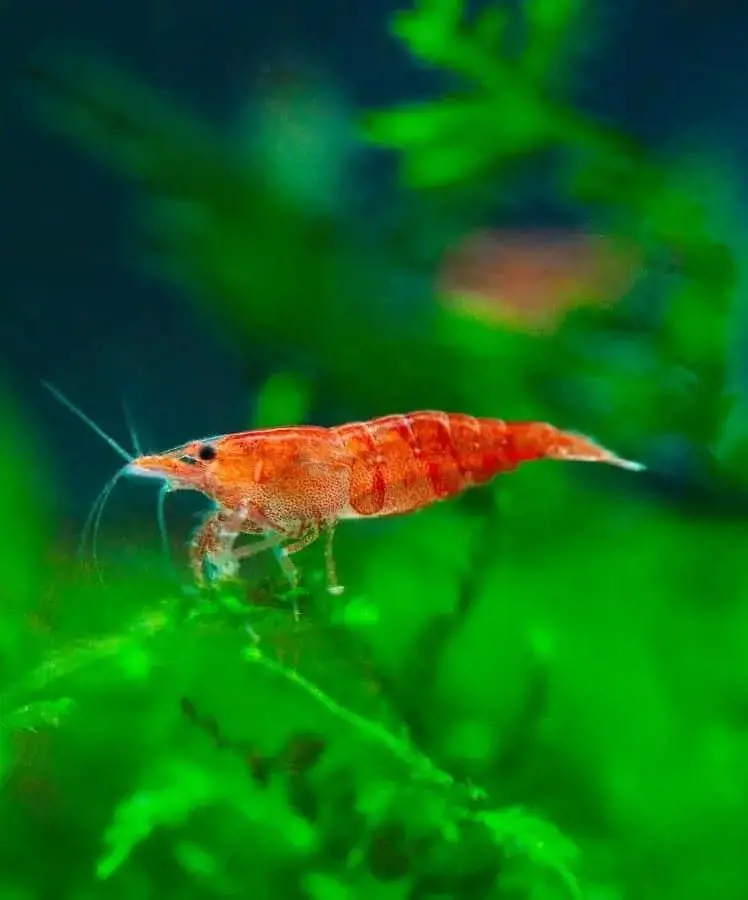
Red Cherry Shrimp can consume various types of algae, including green, brown, and hair algae. They are particularly efficient at grazing on biofilm, soft algae, and detritus present on aquarium surfaces.
While these algae eaters fish show a preference for softer algae varieties, their diet is not limited to a specific type, allowing them to contribute to a balanced ecosystem by helping control multiple algae species.