

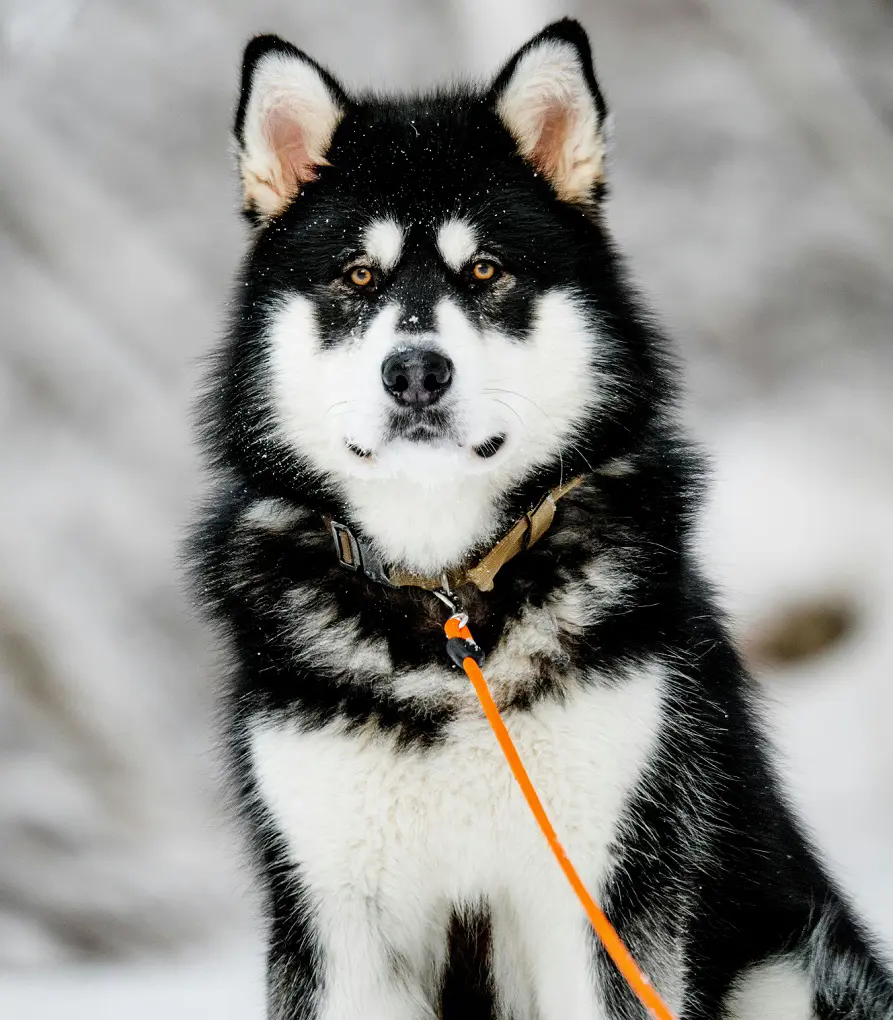
The tough and devoted Alaskan Malamute is a spitz-type dog with a thick double coat that is ideal for the hard Arctic climate. These magnificent canines, bred for stamina and power, have long pulled huge loads for the Alaskan Mahlemut people.
Malamutes are identified by their erect ears, plumed tails, and markings of grey, black, white, or sable. They weigh between 75 and 85 pounds and stand 23 to 25 inches tall. Though playful and affectionate, they maintain polite behavior.
Overview of Alaskan Malamutes
Here is an overview of Alaskan Malamute:
- Purpose: Bred for hauling heavy freight and assisting in hunting large game.
- Recognition: Recognized by the American Kennel Club (AKC) in 1935.
- Size: Males: 25 to 28 inches (height), 85 to 100 pounds (weight)/Females: 23 to 26 inches (height), 75 to 85 pounds (weight).
- Coat Type: Thick double coat.
- Colors: Black, gray, sable, red, often with white markings.
- Outer Coat: Coarse and stand off the body.
- Head: Broad with a distinctive color cap and well-defined stop.
- Eyes: Brown, almond-shaped, and expressive.
- Ears: Medium-sized, triangular, and set wide apart.
- Personality: Friendly, loyal, and affectionate.
- Behavior: Playful and strong-willed, with a gentle demeanor toward family.
- Energy Level: High, requiring regular exercise.
- Socialization: Gets along well with people and other dogs when properly socialized.
- Trainability: Intelligent but can be independent and stubborn.
- Lifespan: 10 to 14 years.
- Grooming Needs: Regular brushing to manage shedding, especially during seasonal changes.
- Suitability: Best suited for homes with space to roam, not ideal for apartments.
- Climate Tolerance: Highly tolerant of cold weather due to their thick coat.
History
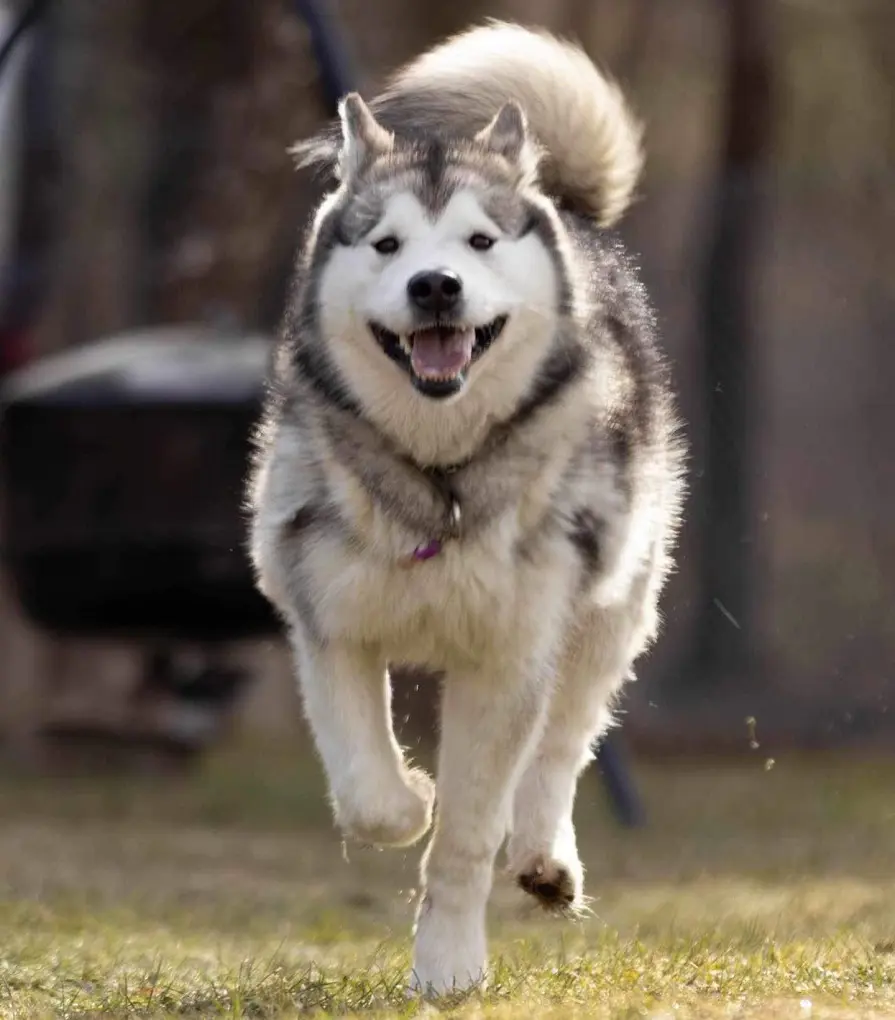
With a 5,000-year history, the Alaskan Malamute is one of the most beloved and ancient Arctic sled dogs. These dogs were created by the Mahlemut, an Inuit tribe from Alaska's Kotzebue Sound, and were essential to the group's existence.
They were bred for extraordinary strength, stamina, and the capacity to tow big objects over great distances in frigid, hostile conditions. As opposed to other sled dogs, malamutes were employed mostly for hauling cargo and supporting hunts for big game, like polar bears and seals.
As miners and settlers rushed to Alaska during the Gold Rush in the late 19th and early 20th centuries, there was an increase in demand for these sturdy canines. Because of its remote origins, the Alaskan Malamute's lineage stayed largely pure at this time, even when other dog breeds were introduced.
Breed standards were established as a result of attempts to maintain and promote the breed in the 1920s and 1930s. In 1935, the Alaskan Malamute received official recognition from the American Kennel Club (AKC).
In addition to being valued for their ability to labor, they are also cherished for being devoted and kind friends, upholding their tradition as representations of fortitude and tenacity in the Arctic.
Characteristics and Personality
This Alaskan Malamute dog is a powerful working dog breed from Alaska and possesses a distinct blend of physical and temperamental traits.
Strength and Endurance
The Alaskan Malamute's distinguishing feature is its outstanding physical ability. These strong dogs have broad chests, strong legs, and a thick double coat for insulation. They were bred to pull big loads in the harsh Arctic climate.
Their metabolism is geared toward endurance, powering their powerful physique. This demonstrates their extraordinary power and endurance and enables them to continuously pull large sleds over great distances.
Malamutes are actual working athletes who can excel in physically demanding occupations since they are not just robust but also developed for prolonged endurance.
Independent and Stubborn
The independent nature and often stubborn nature of the Alaskan Malamute are characteristics of their working-dog ancestry. Because they were bred to pull enormous loads with little guidance, malamutes are naturally intelligent and capable of independent thought.
But during training, this independence can show up as intransigence. Malamutes need patience, consistency, and positive reinforcement methods, unlike eager-to-please breeds.
Malamutes are remarkably trainable for seasoned dog owners who can prove they are worthy leaders. If a Malamute's owner tries to intimidate or force them, they will probably face opposition.
Digging
The working dog ancestry of the Alaskan Malamute is responsible for its remarkable digging ability. A robust frame and keen digging instincts characterize Malamutes, who was bred to tow huge cargo across the harsh Arctic.
This habit probably helped prehistoric Malamutes establish cool places to rest, store food for later use, or even flee from harm. But in a home environment, this engrained habit can seriously harm well-designed gardens and flowerbeds.
Acknowledging this innate tendency is essential for Malamute owners. Channeling this energy and safeguarding valuable landscaping can be achieved by providing dedicated digging pits filled with sand or dirt.
Friendly with Strangers
The temperament of the Alaskan Malamute is an interesting conundrum. They are recognized for their kind and amiable disposition despite their commanding stature and working dog ancestry.
Malamutes, in contrast to breeds designed for guarding, are more prone to wag their tails enthusiastically and greet guests in a lively manner. There is a catch to this innate kindness, though.
They might not be the best watchdogs because of their need to please everyone. Their lack of suspicion makes them unlikely to stop intruders, even though they might warn their owners of odd sounds.
Characteristics Ratings
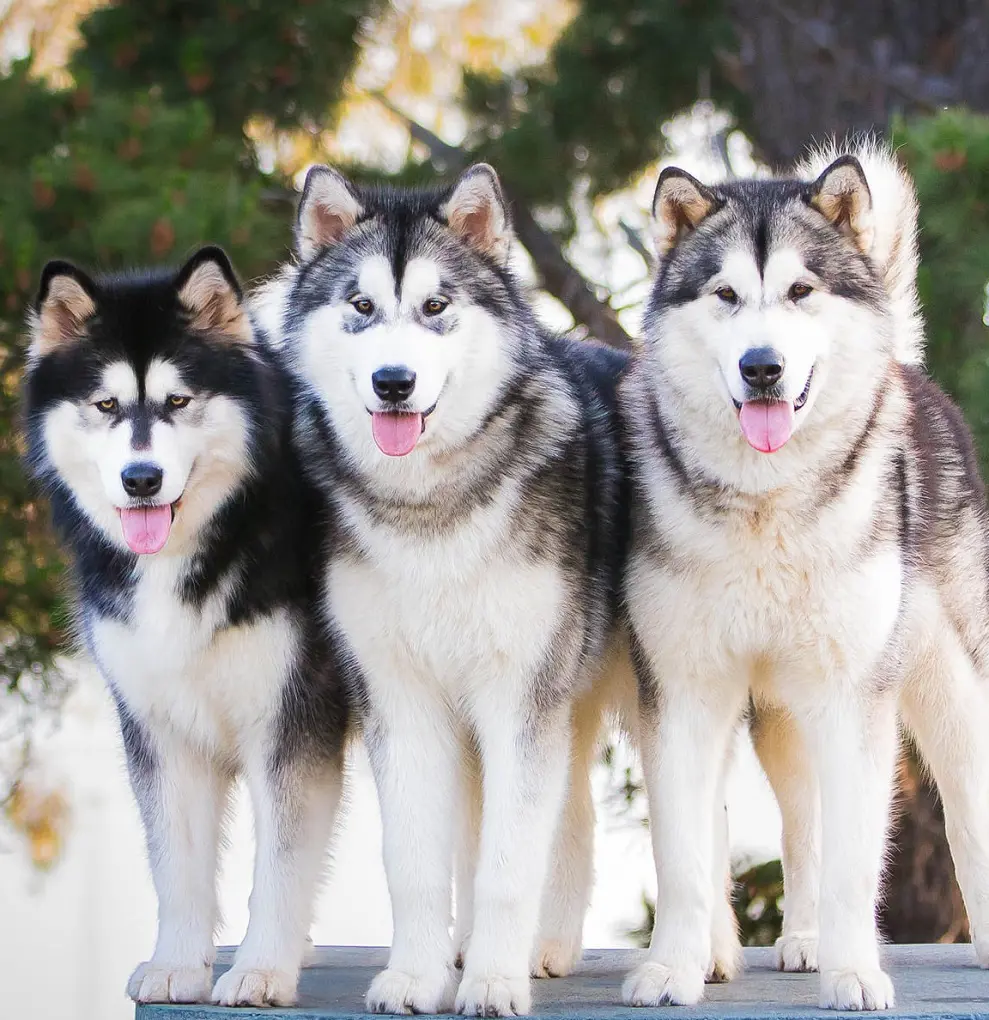
Alaskan Malamute's characteristic ratings are:
| Characteristic | Rating |
| Affectionate with Family | 5 |
| Good with Children | 4 |
| Friendliness to Strangers | 4 |
| Tolerates Other Dogs | 3 |
| Ease of Training | 3 |
| Energy Level | 5 |
| Playfulness | 5 |
| Shedding Level | 4 |
| Barking Tendency | 2 |
Caring and Grooming
Because of their magnificent double coat and ancestry as working dogs, Alaskan Malamutes require particular care and grooming to maintain their health and well-being.
- Brushing: Keeping a healthy coat and avoiding matting need consistent brushing. It is advised to brush every day in the spring and fall when hair sheds and once a week the rest of the year. The best equipment for this job is a slicker brush and an undercoat rake.
- Bathing: Malamutes do not require frequent bathing, in contrast to many other breeds. They are protected by their two coats and natural oils. Take baths just once every four to six weeks, or as often as necessary, and use a mild shampoo designed for two coats. Excessive sun exposure can deplete the skin's natural oils and cause dryness.
- Coat Blowing: Malamutes experience a tremendous "blowout" twice a year during which they lose a significant amount of undercoat. During this time, brushing is even more important to get rid of extra fur and avoid matting.
- Nail Trimming: Regular nail trimming helps to avoid pain and potential injury. For large dogs, choose a high-quality nail clipper that cuts nails straight across.
- Ear Cleaning: Weekly ear cleaning is recommended to help avoid infections. Avoid sticking cotton swabs too deeply into the ear canal and instead use the mild ear cleaning solution that your veterinarian recommends.
Exercise and Training
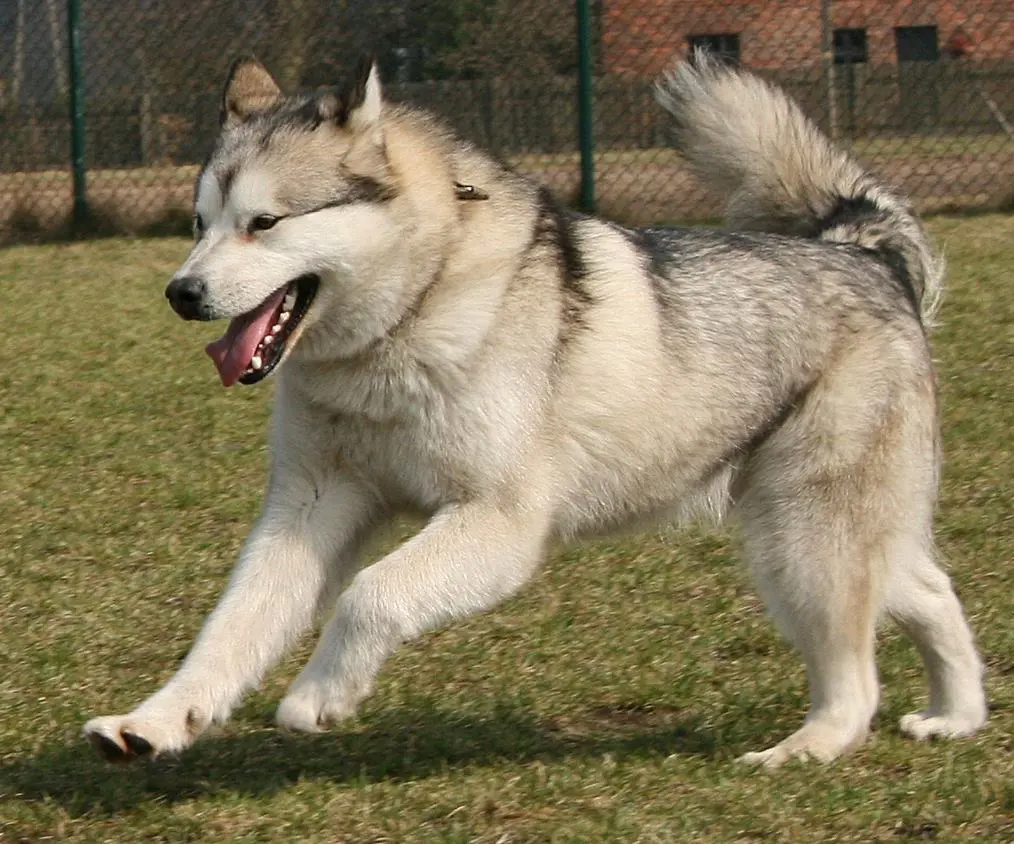
The remarkable endurance and working dog background of the Alaskan Malamute translate into a high demand for physical exercise. These strong canines, which were bred to pull big loads, have a lot of energy that needs to be released. Malamutes should ideally exercise for two hours a day at the very least.
Combinations of exercises like jogging (after fully grown), hiking, fast walks, dog sports like canicross (running with a dog), and bikejoring (bicycling with a dog pulling) can help achieve this.
Exercise should be restricted to the cooler parts of the day during hot weather to prevent their thick double coat from becoming overheated. Insufficient exercise can cause boredom and frustration in Malamutes, which can result in harmful habits like digging or chewing.
An Alaskan Malamute needs to be trained with patience, consistency, and a focus on positive reinforcement. These independent thinkers are smart, but they also have a stubborn side. Using harsh techniques or making harsh corrections will simply cause resistance.
It is significantly more successful to use positive reinforcement in the form of affection, praise, and treats. To stop undesirable behaviors like excessive barking or pulling on the leash, early socialization is essential. Although malamutes are eager to please, their independence demands that commands be given clearly and consistently.
To keep their attention, training sessions should be brief and interesting. Alaskan Malamute owners who place a high value on tolerance, encouragement, and regular training will reap the benefits of having a gentle and devoted friend.
Nutritional Needs
Alaskan Malamutes thrive on a nutritious diet customized to their requirements. Given their working dog heritage and a tendency for overconsumption, it is better to consume multiple smaller meals spaced out during the day rather than one or two large ones.
This method aids in the prevention of bloat, a dangerous digestive disorder that can develop in dogs who breathe in air when they are eating quickly. Establishing a consistent feeding schedule based on your Malamute's age, weight, and activity level requires speaking with a veterinarian.
This tailored strategy reduces the risk of obesity and the health issues that come with it while ensuring ideal nutrition.
Lifespan
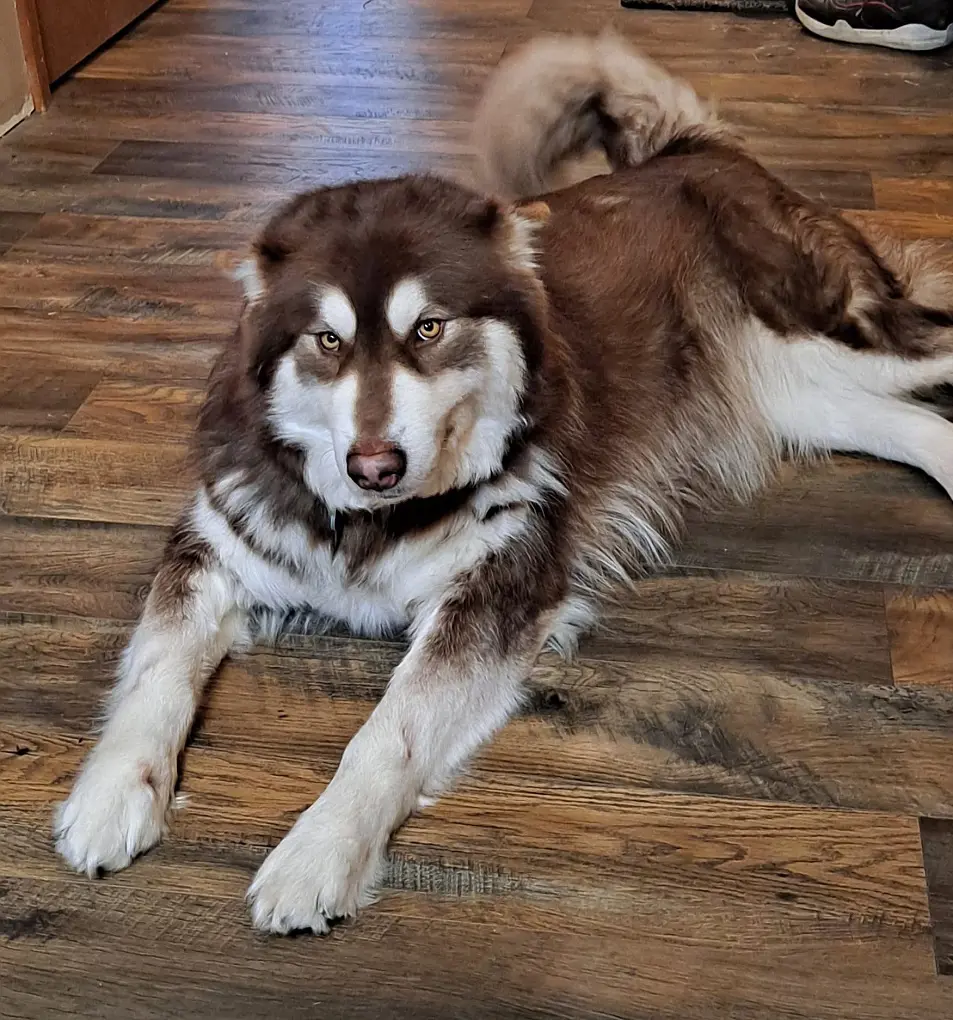
The Alaskan Malamute has a decent lifetime due to its remarkable strength and history as a potent hauler. These magnificent dogs have an average lifespan of 10 to 14 years. This range can be attributed to multiple things. A large part is genetics, and long life is encouraged by good breeding techniques.
Furthermore, appropriate veterinarian care which includes routine examinations, shots, and prophylactic drugs, is essential to preserving a Malamute's health and well-being for its lifetime. Also, a nutrient-dense diet, and activity levels suited for the breed can make a big difference in longevity.
Owners may optimize their Malamute's chances of living a long and happy life by giving them a loving home, careful attention, and a healthy lifestyle.
Common Health Problems
Alaskan Malamutes can be susceptible to some health problems they are:
- Ocular Disorders: Malamutes, especially the young ones that emerge between the ages of one and two, are susceptible to cataracts, a clouding of the eye lens that results in blindness. Frequent ocular examinations are essential for early detection.
- Skeletal Issues: Short or bent legs and other skeletal abnormalities are symptoms of chondrodysplasia, a hereditary disease that causes dwarfism. Likewise, pain, disability, and arthritis in later life can result from hip dysplasia, a heritable disorder where the hip joint loosens.
- Endocrine Dysfunction: Dry coat, weight gain, and hair loss are signs of hypothyroidism, which is brought on by an underactive thyroid gland.
- Visual Impairment: In strong sunlight, hemeralopia, also known as day blindness, impairs eyesight due to an increased sensitivity to light.
- Neurological Concerns: Polyneuropathy is a genetic ailment that affects the nervous system and causes gradual weakening.
Alaskan Malamute Facts
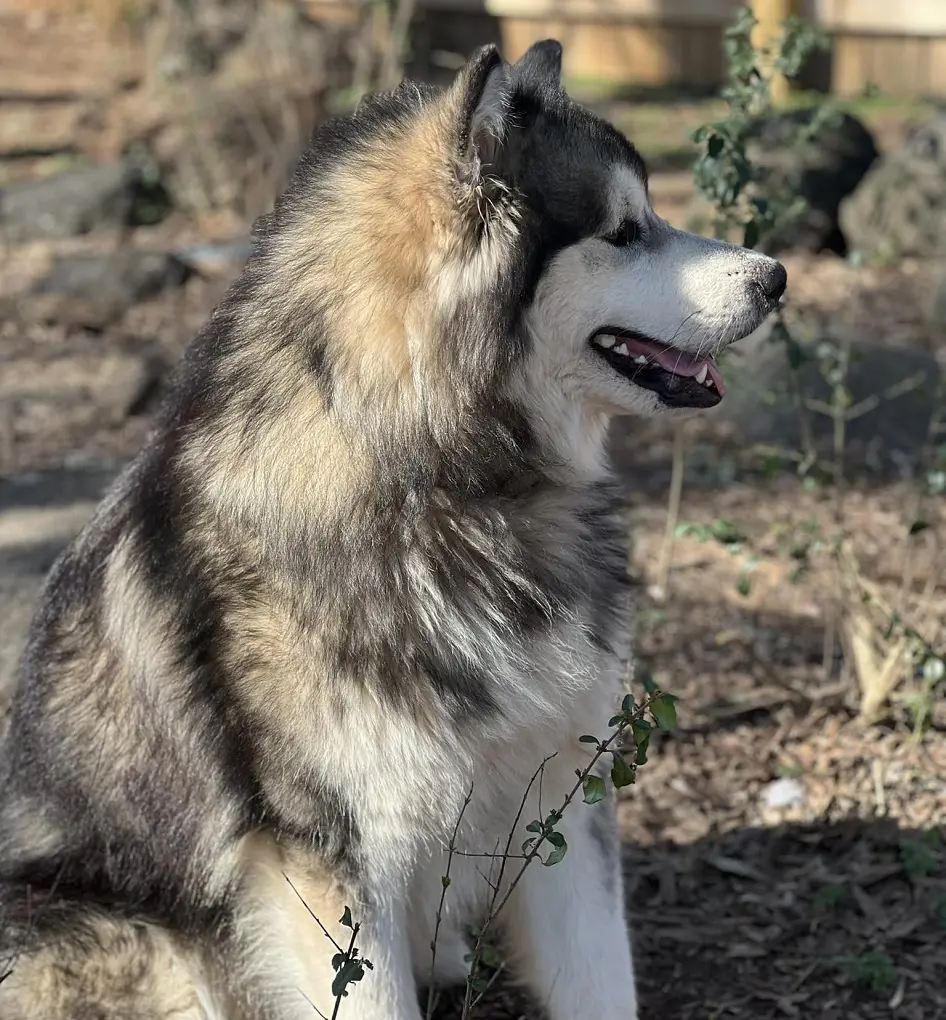
Some interesting facts about these cute Alaskan Malamute are:
Snow Seekers
The luxurious double coat of the Alaskan Malamute is not only a striking characteristic but also evidence of their ability to withstand extremely cold temperatures. Because of the guard hairs that cover it, this underlay serves as a natural insulator, enabling it to flourish in cold temperatures.
They love the cold because of their ancestors' ties to the Arctic. Malamutes actively seek out the chilly, comforting embrace of snow, unlike certain breeds that tolerate it, which makes them ideal for living in winter wonderlands.
Pulling Powerhouses
Even though they appear to have a soft physique, they are incredibly strong pullers. Their strong physiques and unwavering will were refined for towing bulky loads in the severe Arctic climate. Malamutes are capable of pulling incredible weights up to three times their body weight.
They are credited with this amazing feat because of their strong muscles, effective gait, and constant resolve. Malamutes are still used today to demonstrate their exceptional strength and endurance in dog cart racing, where they compete to pull carts with drivers or freight.
Unexpected Nannies
Beyond their remarkable pulling strength and affable appearance, Alaskan Malamutes have a surprising historical role: caregivers. Malamutes were historically trusted to look after children because of their kind and patient demeanor.
It's crucial to remember that any relationship between young children and dogs should always be supervised. Nonetheless, this historical tale emphasizes the Malamute's innate kindness and nurturing qualities, providing yet another dimension to their intriguing past.