

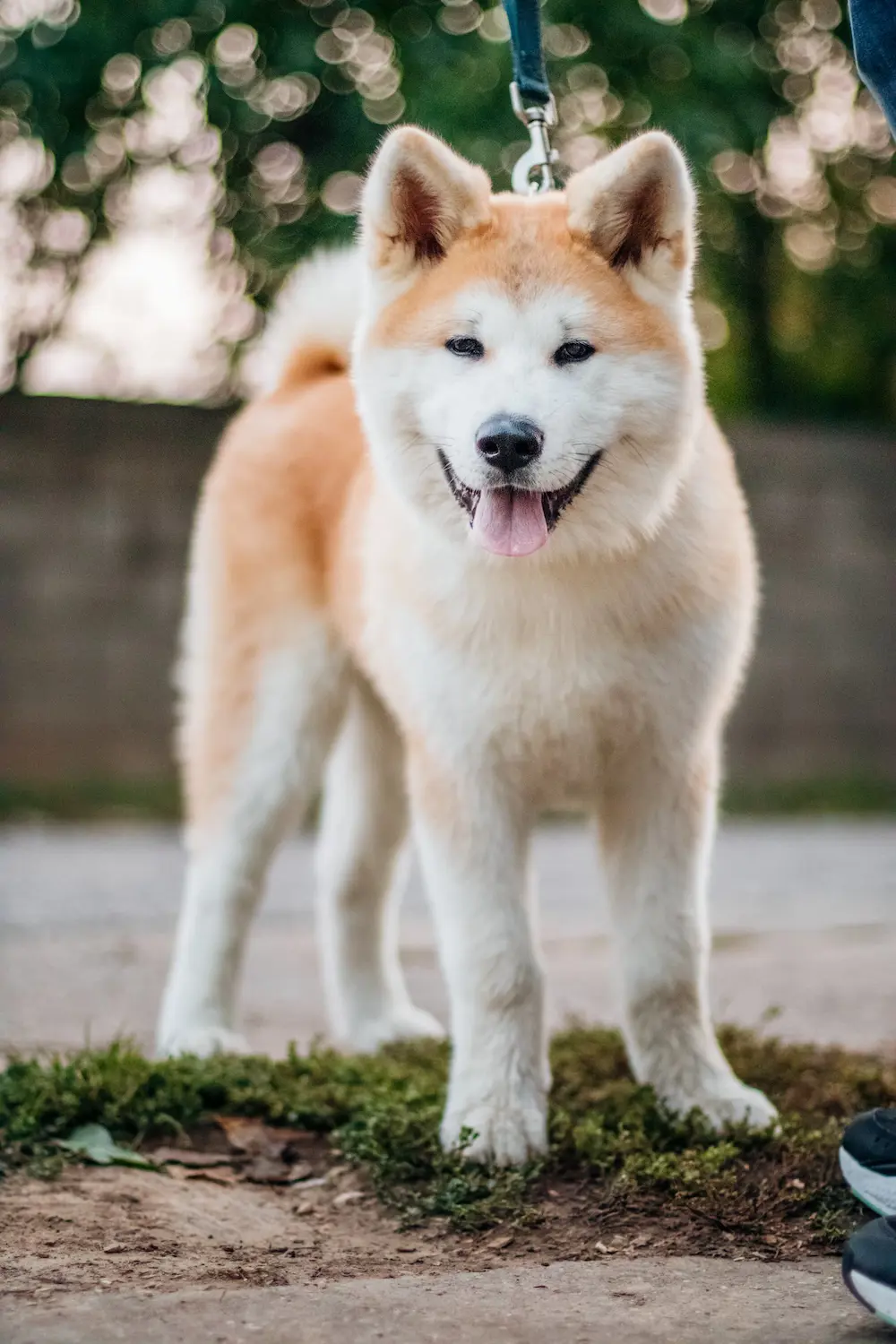
Akita dogs, known for their majestic presence and enduring loyalty, are remarkable examples of canine majesty. Originating in Japan's hilly regions, these enormous and powerful dogs are distinguished by their stately posture, double coat of thick fur, and characteristic curled tail.
Akitas are known for their brave and protective character, and they flawlessly integrate power and intellect, making them not only loyal family companions but also formidable protectors.
As we explore the magical world of Japanese Akita dogs, we discover a breed that exudes grace, perseverance, and a deep connection to its rich ancestry.
1. Size And Build
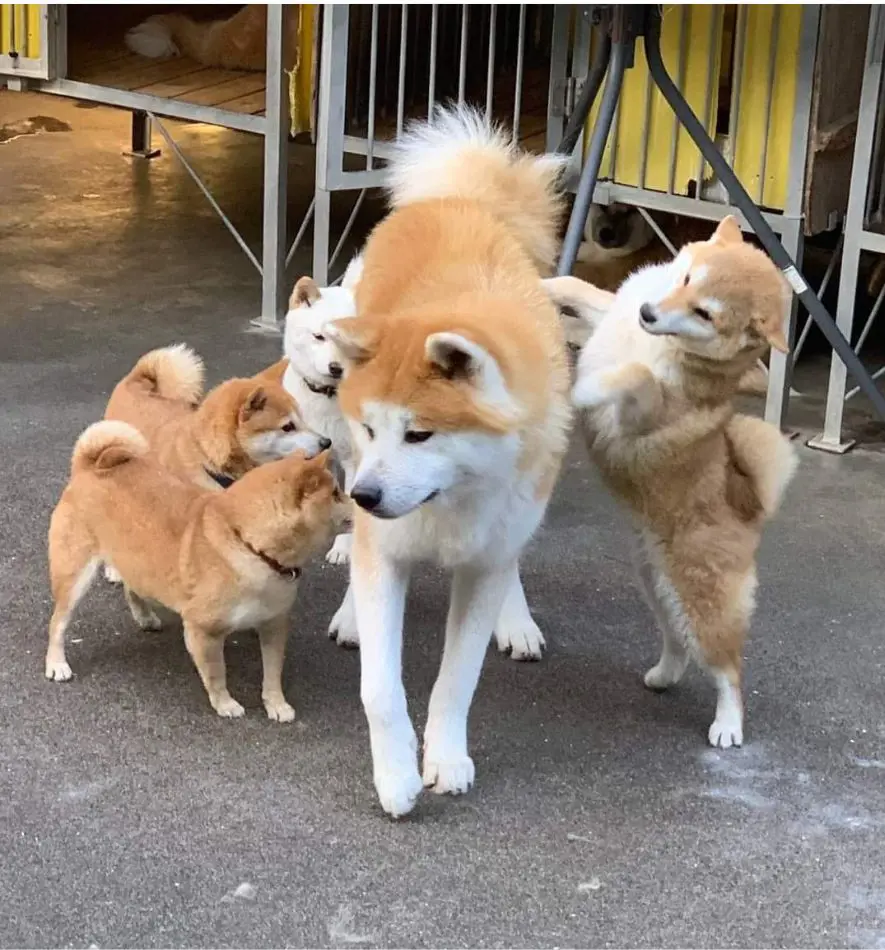
Dog Japanese Akita can be identified by their massive size and sturdy structure, which add to their magnificent demeanor. Adult males are typically 26 to 28 inches (66 to 71 cm) tall at the shoulders, while females are 24 to 26 inches (61 to 66 cm).
Males weigh 100-130 pounds (45-59 kg), while females weigh 70-100 pounds (32-45 kg). This massive, robust frame is well-balanced, displaying a perfect blend of strength and agility.
The Akita's muscular physique contributes to its fearsome aspect, emphasizing the breed's historical duties as hunters and protectors in Japan's hilly regions.
This size and build, combined with their other distinctive features, make them a visually imposing yet noble breed, ideally suited to their roles as loyal companions and guardians.
2. Head And Face
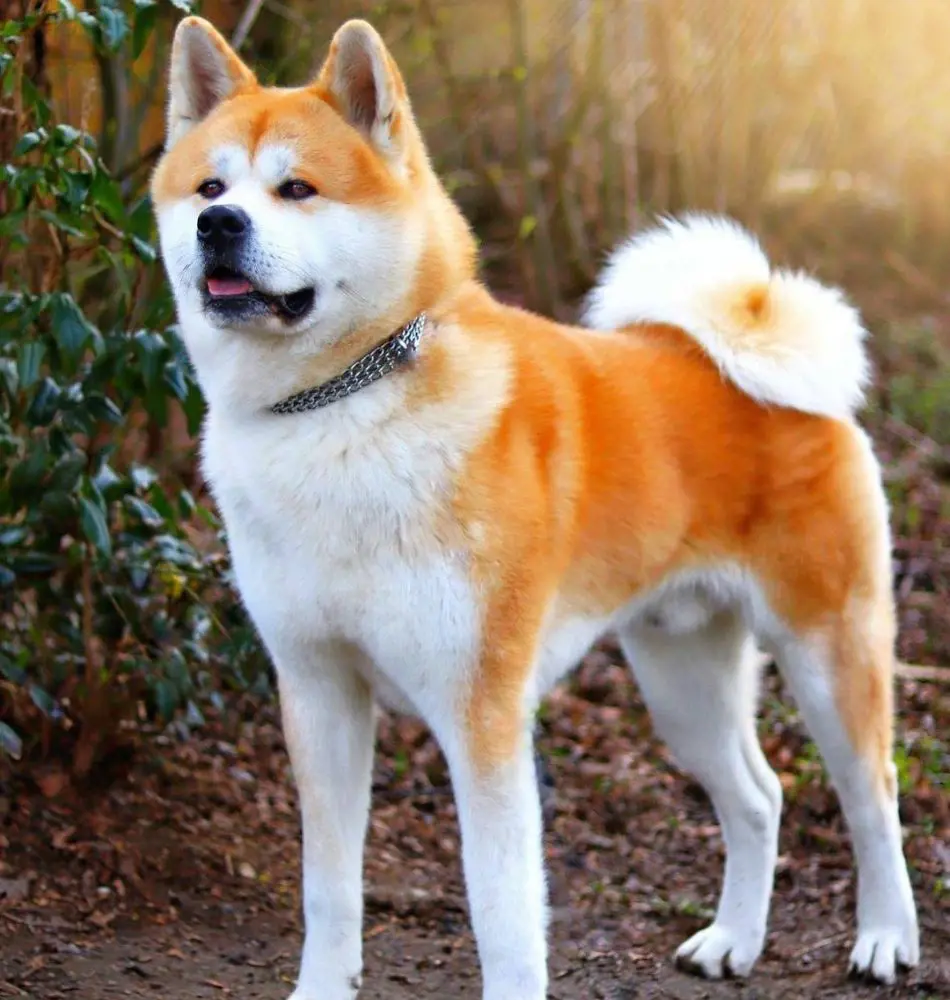
The head and face of the dog breed Akita Inu are distinguishing attributes that contribute to their noble and dominating appearance. Akitas have a large and powerful head, with a distinct halt where the forehead meets the solid and deep nose.
Their small, dark, triangular eyes communicate intelligence and concentration, while their raised ears convey an alert and regal demeanor. Akitas' face shape is well-balanced, showing their natural nobility. The breed's muzzle, while powerful, is in proportion to the rest of the head.
This mix of traits gives the Akita a regal and formidable look, emphasizing their function as guardians. The overall shape of their head and face embodies this exceptional canine breed's strength, intelligence, and grace.
3. Tail
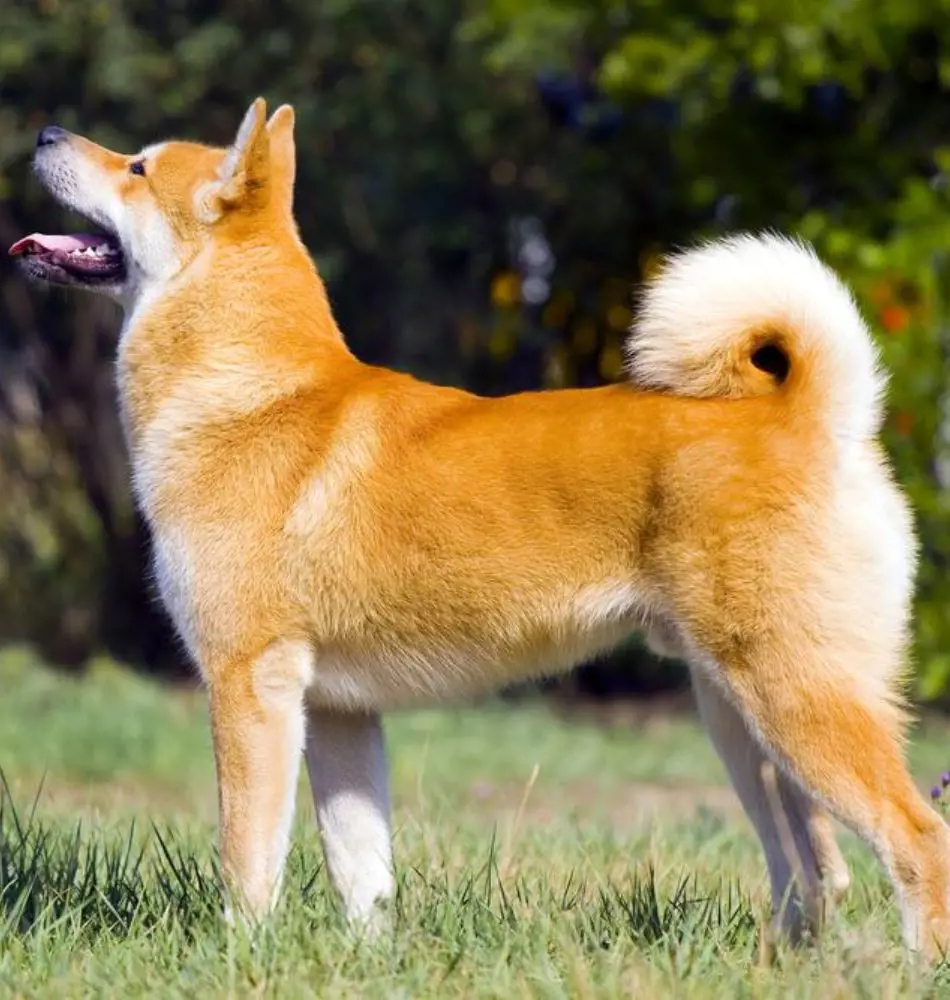
Akita tails are a showstopper, instantly recognizable and their most distinctive feature. Thick and luxurious, they're set high and proudly carried in a graceful curl over their back. The curl can be a three-quarter, complete, or double twist, dipping below the back for a regal presence.
Unlike some spitz breeds, an uncurled or "sickle" tail is considered a disqualification. This unique feature reflects beauty and ancient function: Akita, the dog's curled tail, provides extra insulation in harsh Japanese winters.
The Akita tail is more than just fluff; it symbolizes their heritage, independence, and majestic spirit.
4. Coat
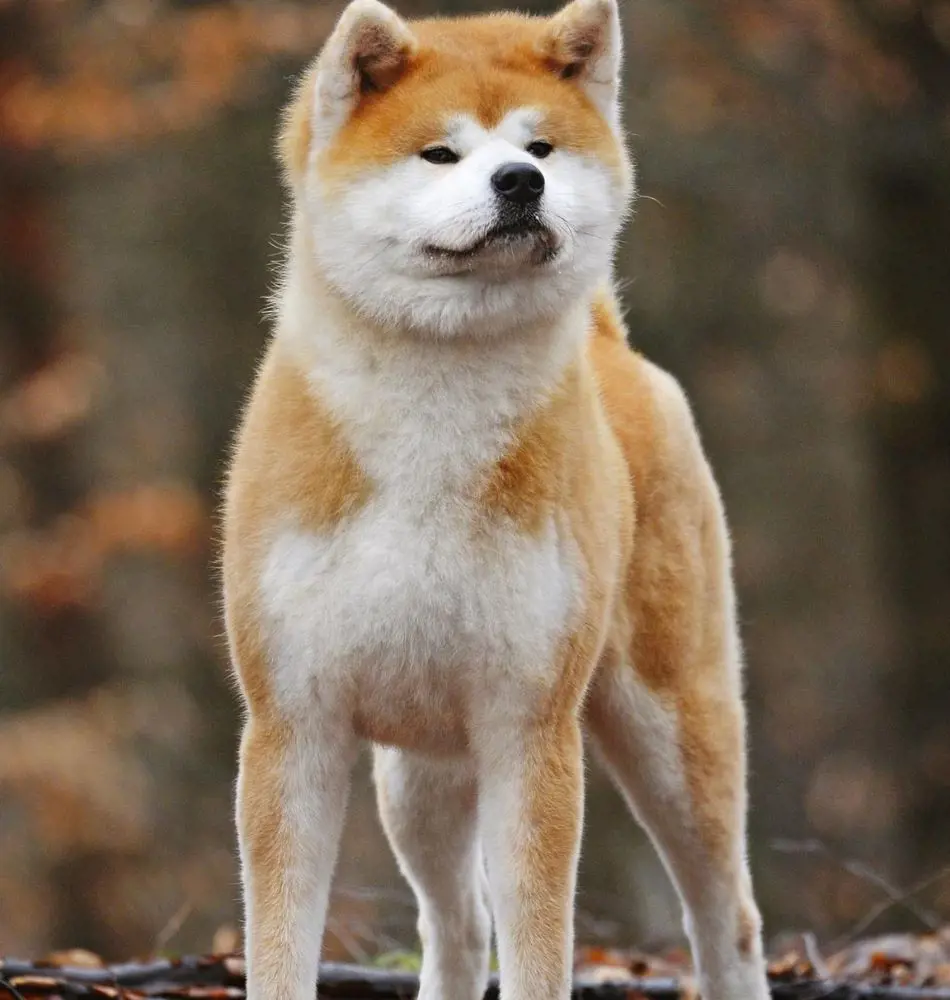
The Akita dog's coat is a distinguishing and essential feature, contributing to its beauty and practicality. The outer coat has a double-layered structure, is coarse, straight, and water-resistant, and protects against diverse weather conditions.
A dense, velvety undercoat provides insulation, especially in colder climates. Standard coat colors include white, brindle, and a variety of reds. This thick coat enhances the breed's regal appearance and provides a practical barrier from the elements.
Regular grooming, particularly during shedding seasons, is essential for managing loose hair and maintaining the coat's health. While the Japanese Akita breed coat is aesthetically beautiful, it is also crucial for their comfort and well-being in various environmental circumstances.
5. Temperament
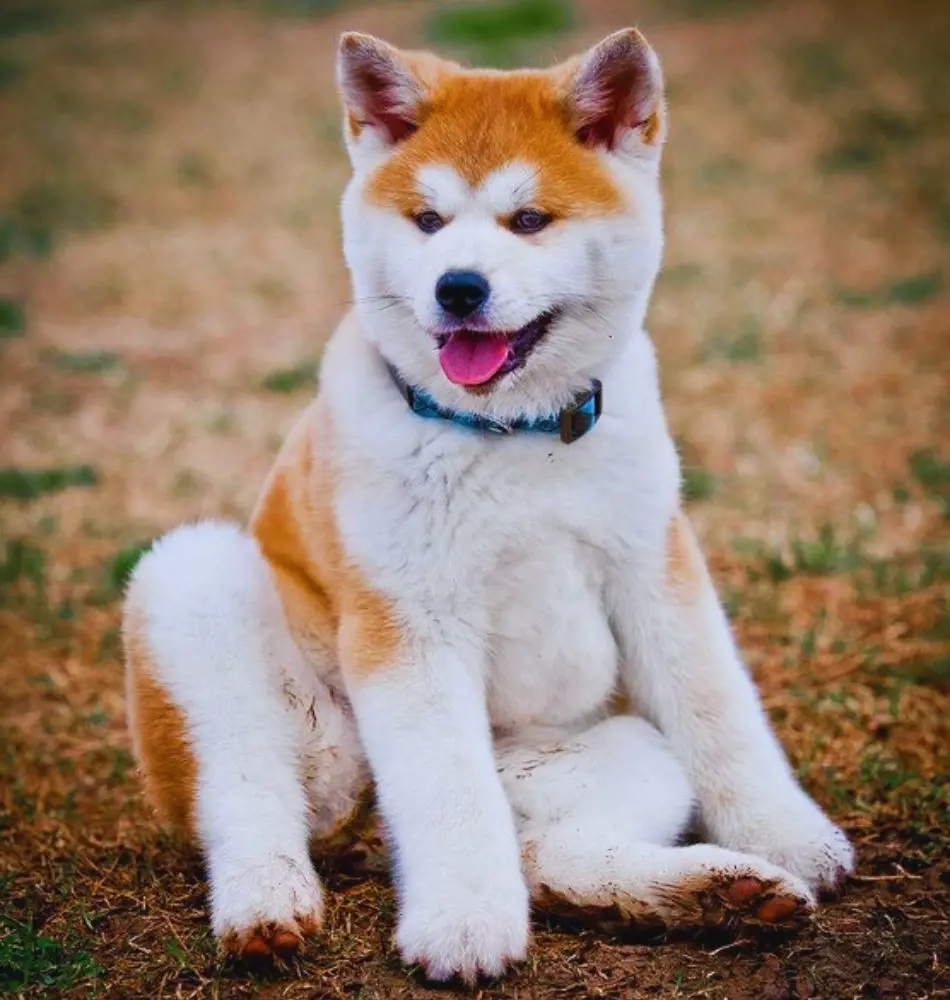
Akita puppy dogs have a balanced temperament that combines loyalty, courage, and a dignified manner. Akitas are known for their everlasting devotion to their families, and they convey a serene confidence that complements their regal presence.
While they may look shy among outsiders, they develop strong ties with their human companions, demonstrating tenderness and a protective sense. Intelligent but independent, the Akita dog breed requires consistent and patient training to channel their strong-willed personality.
Their stoic temperament makes them excellent guard dogs, always ready to protect their loved ones. Understanding Akitas' distinct temperament is critical for developing a solid and trustworthy relationship, as these gorgeous dogs thrive on mutual respect and company.
6. Heritage
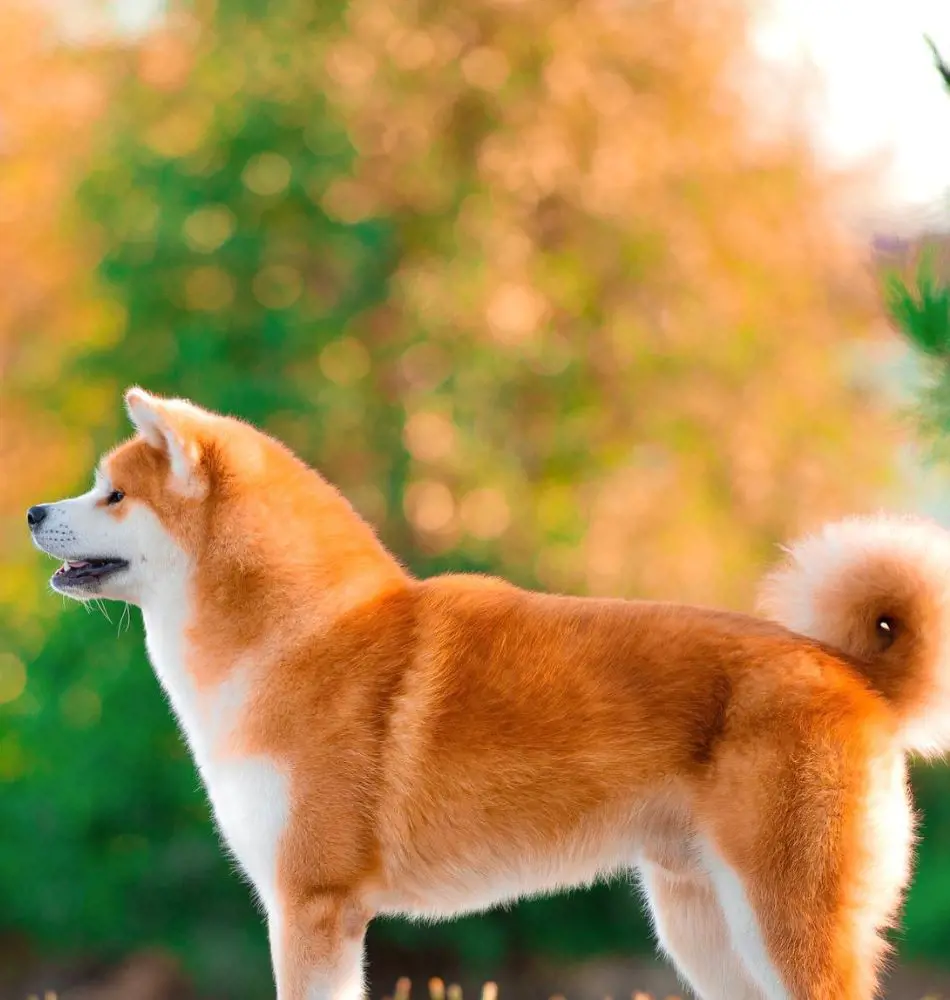
The breed of dog Akita heritage is firmly established in Japanese history, originating in the hilly mountains of Akita Prefecture. Developed initially for noble and imperial purposes, Akitas had treasured positions as guardians and symbols of good fortune.
Their heritage can be traced to the ancient Matagi dog, specifically bred to hunt enormous game.
Japanese folklore frequently references the Akita's past, portraying them as icons of bravery and protection. Today, their heritage exemplifies their enduring character, combining regality, loyalty, and a deep connection to Japan's rich cultural tapestry.
Akitas are often associated with loyalty and fidelity, characteristics Hachikō's story exemplifies. Hachiko's unwavering devotion to his owner has made him a symbol of loyalty not only in Japan but also around the world.
7. Training
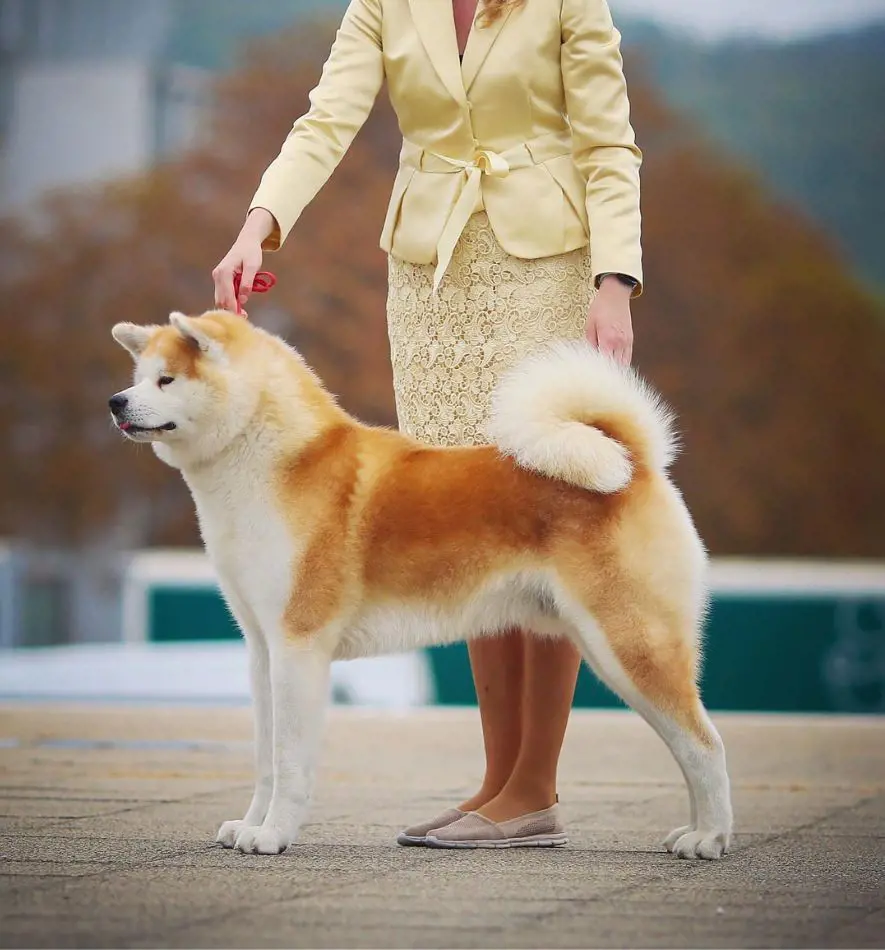
Because of their clever but occasionally stubborn character, the Akita breed of dogs must be trained consistently and patiently. They are known for their independence; therefore, early socialization is vital. Begin training sessions early in their lives to provide a solid foundation.
Positive reinforcement strategies like treats, praise, and play are effective motivators. A firm yet delicate hand is required, as aggressive tactics may result in resistance. Akitas respond positively to precise and regular commands, strengthening their loyalty.
Socializing them with different people, places, and animals helps to reduce potential aloofness or hostility. Obedience training is essential for ensuring that they understand directions and behave appropriately.
Training sessions should be enjoyable, stimulating their physical and mental abilities, resulting in a well-behaved and balanced Akita partner.
8. Guardian Instinct
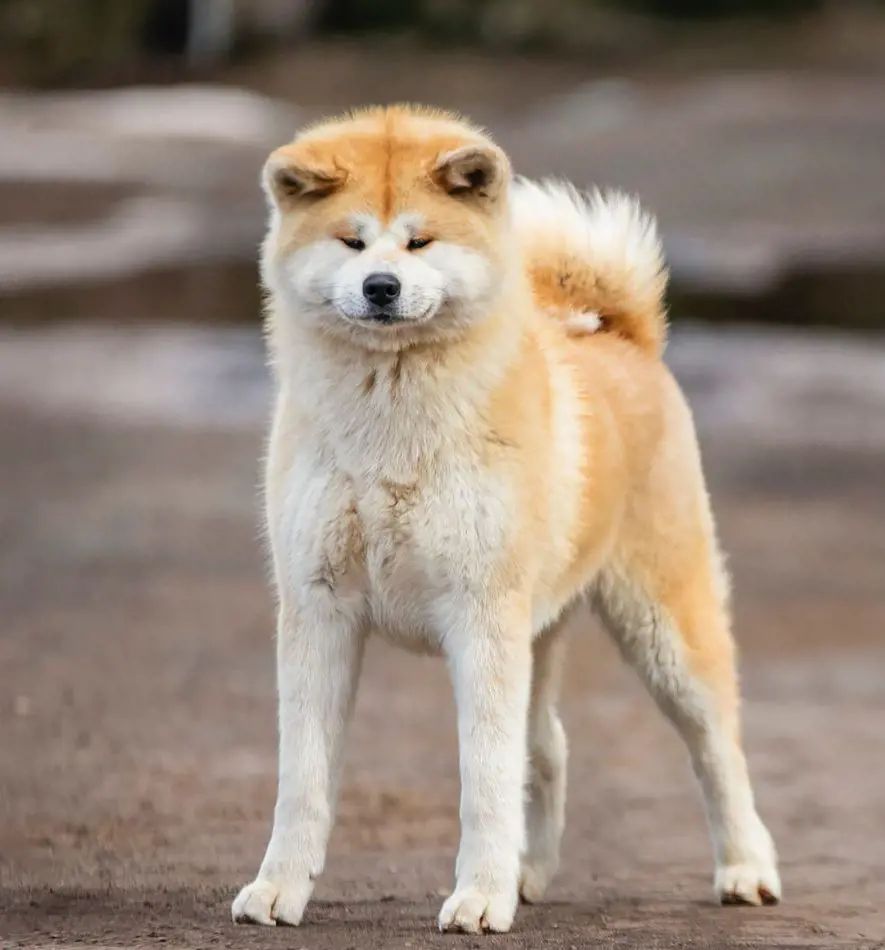
The Akita's guardian instinct is a notable trait distinguishing this breed as a dependable protector. They have a strong sense of loyalty and courage, which stems from their long history of hunting and guarding dogs in Japan.
Dogs Akita are known for their discerning nature, reserved approach to strangers, and imposing presence, making them excellent guard dogs. Akita Japan dogs instinctive protectiveness extends to their families, as they are very devoted and will defend their loved ones with unyielding devotion.
Early socialization is critical for channeling this guardian instinct effectively, allowing them to discern between potential threats and typical conditions.
When properly taught and raised, the Akita's guardian instinct is a persistent devotion to protecting their home and loved ones, cementing their image as devoted and dependable defenders.
9. Exercise Needs
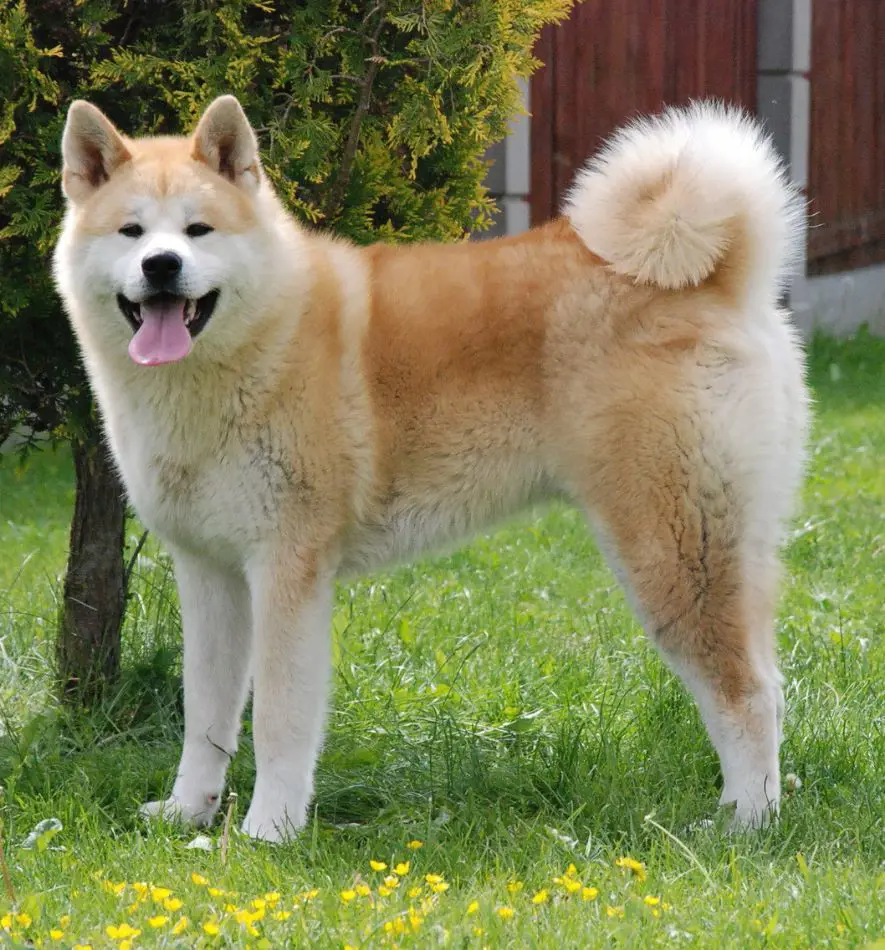
Despite their immense size, Akita dogs have moderate energy levels and require a balanced yet constant exercise routine. Regular physical activity is essential for maintaining their overall health and well-being.
While not highly energetic, regular exercise prevents obesity and provides mental stimulation. Akitas benefit from daily walks, playtime, and activities challenging their intelligence.
Because of their protective attitude, including obedience training in exercise sessions might help them feel more fulfilled. Given their thick double coat, owners should avoid overexerting them, especially in warmer weather.
A thoughtful training plan not only improves their physical fitness but also encourages a cheerful and pleased disposition, reinforcing their role as dedicated and harmonious family members.
10. Health Considerations
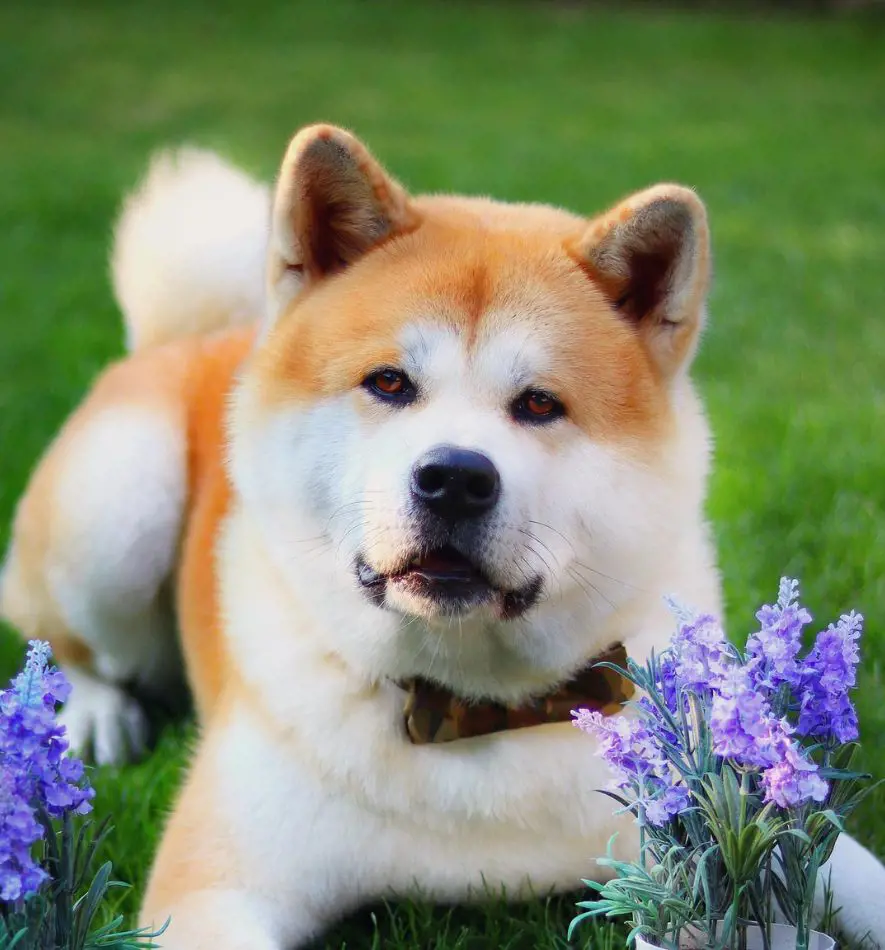
Aog breeds Japanese Akita, like many other breeds, are prone to specific health issues that owners should be aware of. Hip dysplasia, a hereditary disorder that disrupts the correct hip joint growth, can cause discomfort and mobility difficulties.
Progressive retinal atrophy, another inherited disorder, can cause gradual vision loss and, in extreme circumstances, blindness. Furthermore, Akitas may be predisposed to autoimmune diseases, in which the immune system erroneously targets the body's cells.
Regular veterinary check-ups are necessary to detect and manage potential health issues early on. A balanced diet, regular exercise, and a proactive approach to healthcare contribute significantly to Akita dogs' general well-being, allowing them to live healthy and happy lives.
11. Grooming
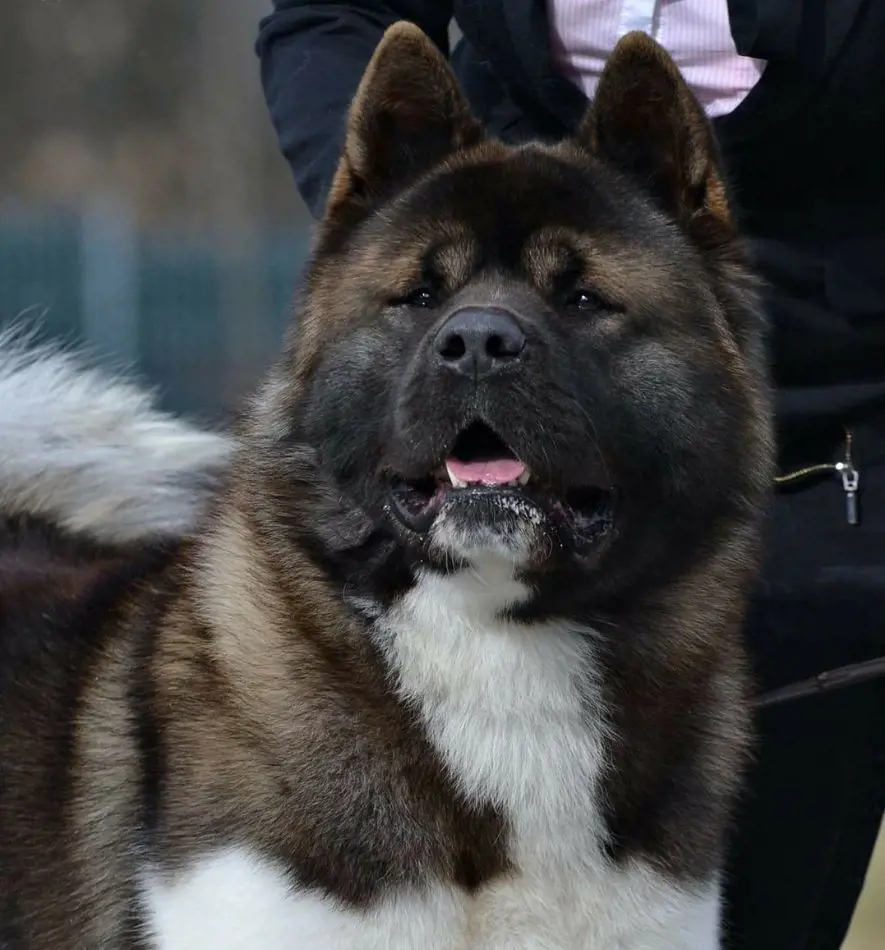
Grooming is essential for keeping dog akita inu healthy and looking their best. They have a double coat and shed seasonally, necessitating regular grooming to control stray hair efficiently.
Regular brushing is required during shedding seasons, which occur twice a year, to reduce the risk of matting and keep the coat healthy. Aside from brushing, essential grooming duties include nail trimming, tooth brushing, and ear cleaning.
Regular grooming not only improves the dog's overall hygiene but also allows you to check for indicators of skin concerns, ear infections, or dental problems. Akitas, recognized for their dignified demeanor, benefit from a grooming regimen that improves their physical health and appearance.
12. Lifespan
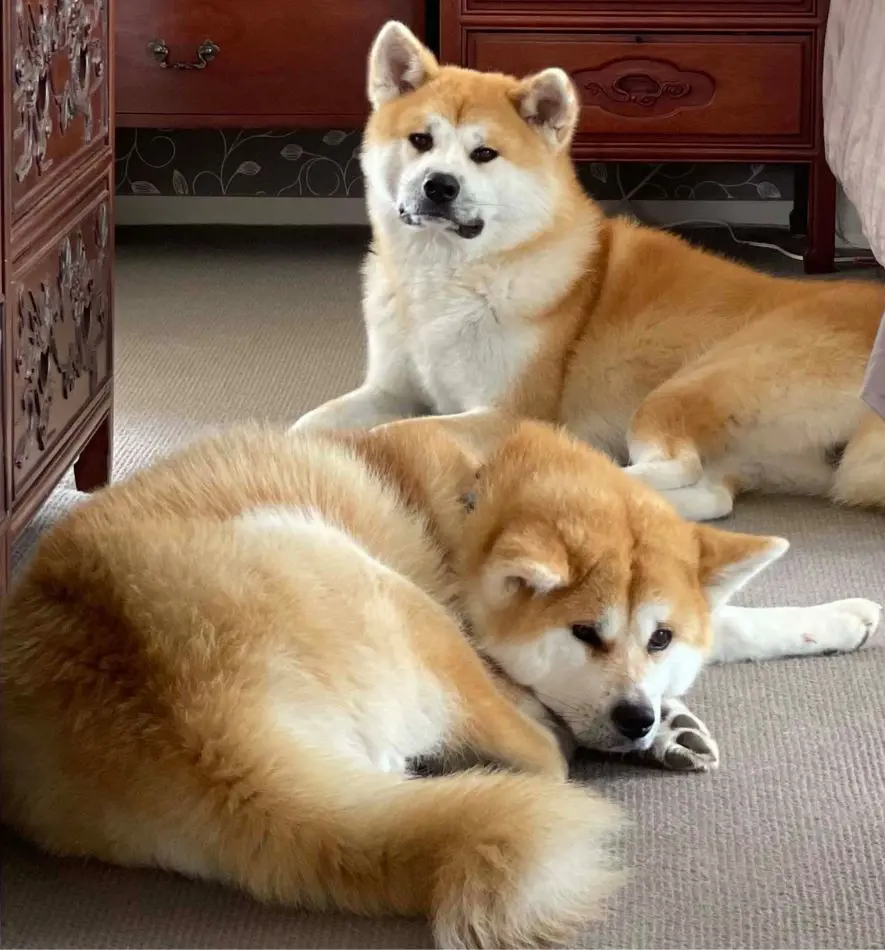
The Akita Japanese dogs, a powerful and elegant breed, often live for 10 to 15 years. Akitas are enormous, powerful dogs with a robust and bear-like look. They are known for their devotion and courage. These beautiful dogs have a characteristic double coat, rich undercoat, and straight, coarse outside fur.
They are known for their reserved temperament toward outsiders and unshakable loyalty to their families. Regular exercise and a well-balanced diet improve their overall health, but potential health risks, including hip dysplasia and progressive retinal atrophy, should be watched.
They can have long and meaningful lives as beloved companions with proper care.